Mulching Explained: Why It Matters for UK Gardens (2026 Guide)
Ask ten British gardeners what mulching is and you will get ten vague answers involving bark, “feeding the soil”, and a hand-wavy gesture at the flowerbeds. Yet mulching is quietly the highest-return job in gardening: a single autumn afternoon spreading the right material can cut your watering in half, suppress most weeds, and transform heavy clay or thin chalk into genuinely fertile ground. So why does it remain so poorly understood?
Partly because “mulch” is an umbrella term covering materials that do opposite jobs, applied at opposite times of year. Get it right and your garden practically looks after itself; get it wrong and you can smother plants or lock nutrients away. This guide explains what mulching really is, which mulch to use when, and how long it takes to see the payoff.
What Mulching Actually Is (in One Paragraph)
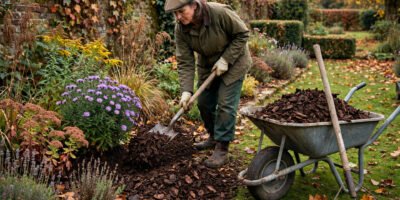
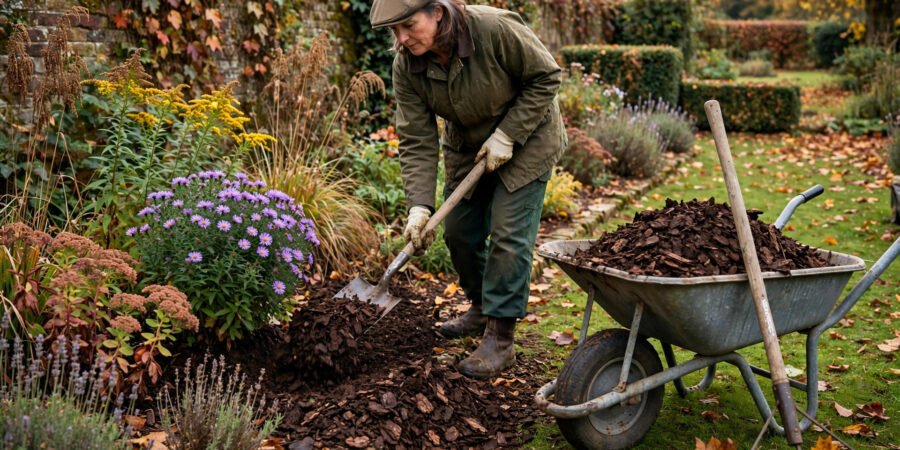
Mulching means covering bare soil with a layer of material — usually 5–8 cm of organic matter like bark, compost, or leaf mould — to mimic what happens on a woodland floor, where fallen leaves constantly blanket the earth. That blanket does four jobs at once: it locks in moisture by shading soil from sun and wind, suppresses weeds by blocking the light weed seeds need to germinate, regulates soil temperature (cooler in summer, warmer in winter), and, if organic, feeds the soil as worms drag it down and it decomposes. Inorganic mulches (gravel, slate, landscape fabric) do the first three jobs but never the fourth.
The “how long to understand it” question has a two-part answer: the technique takes an afternoon to learn, but the results unfold over seasons. Moisture and weed benefits appear within weeks; genuine soil transformation — darker, crumblier, worm-filled earth — takes 2–3 years of annual mulching. It is a compounding investment, which is exactly why it matters.
Choosing Your Mulch: The Materials That Matter in the UK
Bark chips — the all-rounder
Composted bark (£60–£100 per cubic metre bulk bag) is the default for ornamental borders. It lasts 2–3 years, looks tidy, and suppresses weeds superbly. Use composted bark, not fresh woodchip, on planting beds — fresh chip robs nitrogen from the soil surface as it decomposes, yellowing your plants. Fresh woodchip is fine for paths, where nothing is growing.
Garden compost and leaf mould — the soil builders
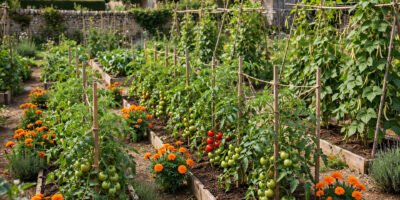
Your own compost or leaf mould is the best mulch for vegetable beds and hungry plants: it feeds as it breaks down and you cannot really over-apply it. Leaf mould (just rotted leaves, 1–2 years in a bin bag with holes) is the unsung hero of British gardening — free, perfect for woodland plants, and a superb soil conditioner. Well-rotted farmyard manure does the same job but must be well rotted; fresh manure scorches roots and brings weed seeds.
Gravel and slate — for the right places
Inorganic mulches suit Mediterranean-style planting, alpines, and pots where you want sharp drainage and zero decomposition. They never need replacing but never feed the soil, and they can overheat roots in a heatwave. Do not use them as a lazy fix on clay — they just hide the problem.
When to Mulch: Timing Is Half the Skill
Autumn (October–November) is the prime mulching season in the UK: soil is still warm from summer, winter rain is coming to wash nutrients down, and the mulch blanket protects roots from frost. Spring (March–April) is the second window — but only after the soil has warmed; mulching cold wet soil in February just locks the cold in. Never mulch bone-dry soil in a drought without watering first, or you seal dryness in like a lid.
One critical rule beginners miss: weed and water before you mulch. Mulch over perennial weeds like bindweed or couch grass and you have simply given them a duvet — they will punch straight through. Clear the bed, soak it, then lay your 5–8 cm layer, keeping mulch a few centimetres clear of plant stems and tree trunks (the “mulch volcano” piled against bark causes rot). The RHS guidance on mulches is the definitive reference for materials and timing, and Garden Organic publishes excellent UK-tested advice on organic mulches and soil health.
The Mistakes That Give Mulching a Bad Name
Too thick: more than 10 cm of fine material can suffocate soil, going slimy and anaerobic — especially on heavy clay. Wrong material, wrong place: fresh woodchip on a hungry vegetable bed (nitrogen robbery), manure on a wildflower meadow (too rich — wildflowers want poor soil), gravel over tree roots (compaction and heat). Landscape fabric under organic mulch: the fabric stops worms pulling the mulch down, defeating the whole purpose, and eventually weeds root into it — a nightmare to remove. Most professionals now skip fabric entirely. Mulching over bulbs’ noses too deeply: a thick winter blanket is fine, but pull it back in early spring so shoots emerge easily.
There is also the slug question. Yes, organic mulch can harbour slugs — but it equally harbours their predators: beetles, frogs, and slow worms. Gardens with diverse mulch layers and predator habitat usually balance out, which is one reason mulching pairs so well with the approach in our guide to wildlife-friendly gardening on a budget.
How Long Until You See Results?
Set honest expectations. Weeks: visibly fewer weeds, soil staying moist between waterings. One season: plants look lusher with less feeding, watering frequency drops noticeably — most gardeners report halving summer watering. 2–3 years: the transformation — darker topsoil, dramatically more worms, soil that crumbles instead of clodding. On thin chalk or heavy clay, the change is so marked that neighbours will ask what fertiliser you are using. The answer is patience plus bark.
Cost-wise, mulching is among the cheapest garden upgrades. A bulk bag of composted bark (£60–£100 delivered) covers roughly 15–20 m² at 7 cm depth — compare that with a season of liquid feeds and the water bill for an unmulched border. If you are budgeting a wider garden overhaul, our breakdown of small UK garden landscaping costs puts mulching in context as the rare job that pays for itself in year one.
Conclusion
Understanding mulching takes an afternoon; mastering it takes a few seasons of watching your soil change. Remember the essentials: organic matter 5–8 cm deep, applied to weeded, watered soil in autumn or spring, kept clear of stems. Do that annually and you will water less, weed less, and feed less — while your soil quietly becomes the envy of the street. It is the closest thing gardening has to a free lunch.
Frequently Asked Questions
What is the best mulch for UK flower beds?
Composted bark is the best all-rounder for ornamental borders — long-lasting, tidy, and excellent at weed suppression. For vegetable beds and hungry plants, garden compost or well-rotted manure feeds the soil as well.
When should I mulch my garden in the UK?
Autumn (October–November) is ideal, with spring (March–April, once soil has warmed) as the second-best window. Always weed and water the soil before applying mulch.
How thick should mulch be?
5–8 cm for most organic mulches. More than 10 cm can suffocate soil, especially heavy clay. Keep mulch a few centimetres clear of plant stems and tree trunks.
Does mulching really reduce weeds?
Yes — a proper mulch layer blocks the light weed seeds need to germinate and can cut weeding by the majority. But you must remove perennial weeds like bindweed first; mulch will not smother established ones.
Can I use fresh woodchip as mulch?
Only on paths, not planting beds. Fresh woodchip robs nitrogen from the soil surface as it decomposes. Use composted bark on beds, or let fresh chip age for 6–12 months first.