Grow Lettuce That Won’t Bolt: A Beginner’s UK Gardening Guide
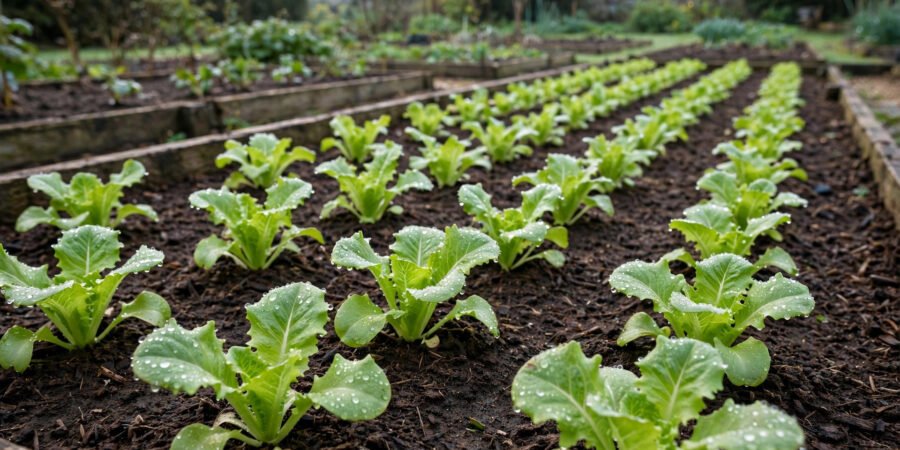
Every beginner lettuce grower knows the heartbreak: one week you have crisp little heads swelling nicely, the next they have shot up into bitter, flowering towers practically overnight. Bolting — the plant’s panicked sprint to set seed — is the number one reason home-grown lettuce disappoints, and in Britain’s increasingly erratic summers it strikes faster than ever.
The good news: bolting is not bad luck. It is a predictable response to specific triggers — heat, day length, and stress — and once you understand them, growing sweet, slow-to-bolt lettuce is one of the easiest wins in the vegetable garden. Here is how, from seed packet to salad bowl.
Why Lettuce Bolts (and Why British Summers Make It Worse)
Lettuce is a cool-season crop with Mediterranean ancestry and a simple survival programme: grow leaves while it is cool, then, at the first signal of summer, bolt skyward, flower, and set seed before the heat kills it. The triggers are temperatures above about 24°C, long daylight hours (over 14 hours, which means most of the British summer), and stress — drought, root disturbance, or nutrient starvation all scream “reproduce now!” to the plant.
Climate change has sharpened the problem: the UK now regularly sees 30°C+ spells in June and July that would have been freak events a generation ago. A lettuce happily growing in May can bolt within days of the first heatwave. The entire strategy below is about dodging those triggers — and it starts with variety choice, which matters more than any other single factor.
Step One: Choose Bolt-Resistant Varieties
Not all lettuces are equal. Modern breeding has produced varieties that stand weeks longer before bolting, and choosing them is the easiest win available. Proven slow-to-bolt choices for the UK: ‘Saladin’ (the classic crisphead, bred for summer), ‘Sirmai’ and ‘Merveille des Quatre Saisons’ (butterheads with genuine heat tolerance), ‘Lollo Rosso’ and ‘Lollo Bionda’ (cut-and-come-again types you harvest leaf by leaf, so bolting barely matters), and ‘Little Gem’ (fast enough to beat the heat — sow to harvest in as little as 6 weeks).
General rules: loose-leaf and cut-and-come-again types bolt “better” than hearting types because you harvest outer leaves continuously, always staying ahead of the flower stalk. Red-leaved varieties often tolerate heat slightly better. And always check the packet for “slow to bolt” or “heat tolerant” — then sow those for June–August and save the delicate butterheads for spring and autumn. The RHS lettuce growing guide rates varieties for UK conditions.
Step Two: Time Your Sowings Around the Heat
The classic beginner mistake is sowing one big batch in May and hoping. Instead, think in waves. In the UK: sow first batches indoors or under cover in March for May harvests (cool, short days — perfect). Sow little and often — a short row every 2–3 weeks from April to August — so there is always young lettuce coming and no single batch sits maturing through a heatwave. Take a strategic pause in late June/early July if a heatwave is forecast; lettuce sown then bolts fastest. Resume in late August–September for autumn crops, which are often the sweetest of the year as cool nights return.
For genuinely summer-proof lettuce, try the shade trick: sow a late-June batch in the shadow of taller crops — sweetcorn, runner beans on canes, or even a north-facing fence. A few degrees of shade and cooler roots delay bolting by weeks. Some gardeners rig 30%-shade netting over summer beds; it is cheap and remarkably effective.
Step Three: Water, Feed, and Handle With Care
Stress triggers bolting, and nothing stresses lettuce like drought. Water consistently — lettuce roots are shallow, so little and often beats occasional soaking; mulch around (not over) seedlings with compost to hold moisture. In heatwaves, water in the cool of the evening. Feed lightly: lettuce is not hungry, but starved plants bolt — a liquid seaweed feed every couple of weeks keeps growth steady without the soft, pest-prone growth excess nitrogen causes.
Transplant carefully or not at all. Root disturbance is a major bolting trigger, which is why direct-sown lettuce often outperforms transplanted. If you start indoors, use modules and plant out the whole root ball undisturbed while seedlings are small (2–3 true leaves). And thin ruthlessly: crowded seedlings compete, stress, and bolt together. Final spacing of 20–30 cm for hearting types feels wasteful at sowing time and looks exactly right at harvest.
Harvesting: Stay Ahead of the Stalk
With cut-and-come-again varieties, harvest outer leaves when they are 10–15 cm, always leaving the central growing point — a single sowing can feed you for two months. For hearting types, harvest at “good enough”, not “perfect”: a slightly small sweet head beats a large bitter one, and cutting promptly frees the space for the next sowing. Morning harvesting gives the crispest leaves (plants are fully hydrated).
Learn the early warning sign: when the centre of the plant starts elongating and leaves taste bitter at the stem end, bolting has begun. You can still eat it — harvest immediately and use the leaves in cooked dishes where bitterness mellows, or feed them to the compost with dignity. And let one plant bolt deliberately each year: lettuce flowers feed hoverflies, and you will harvest hundreds of free seeds for next season. For keeping that harvest fresh, our guide to storing fresh herbs and salads applies equally to lettuce.
Succession Sowing: A UK Calendar for Continuous Harvest
The secret to never buying bagged salad again is succession sowing — small plantings every two to three weeks rather than one big sowing. A practical UK rhythm: start indoors in modules in March (hardy varieties like ‘Winter Density’ even tolerate cold frames), move to direct outdoor sowings from late April, keep the fortnightly rhythm through August, then sow winter-hardy varieties (lamb’s lettuce/corn salad, ‘Winter Gem’) in September under cloches for cold-month picking. Each sowing need only be a 30cm row — a dustbin lid’s worth of space feeds a household’s salads when harvested cut-and-come-again style.
Label every sowing with variety and date; it takes seconds and teaches you more in one season than any book. And plan for gluts rather than fearing them: a bumper harvest becomes gifts for neighbours or bulk salads for the week — our guide to reducing kitchen food waste ensures none of your harvest goes to waste. The Gardeners’ World sowing calendars are a handy cross-check for your local timings.
Conclusion
Growing lettuce that does not bolt comes down to four habits: sow bolt-resistant varieties, sow little and often (dodging peak heat), keep roots cool and consistently watered, and harvest promptly. Master those and the beginner’s heartbreak becomes a rarity — replaced by the quiet triumph of a salad bowl that cost pennies and travelled about ten metres. Few vegetables reward beginners so generously.
Frequently Asked Questions
Why does my lettuce bolt so quickly?
Heat above ~24°C, long summer days, and stress (drought, root disturbance, crowding) trigger bolting. Sow bolt-resistant varieties, water consistently, and avoid sowing large batches just before heatwaves.
What is the most bolt-resistant lettuce for the UK?
‘Saladin’ is the classic summer-crisphead choice; ‘Lollo Rosso’/’Lollo Bionda’ and other cut-and-come-again types sidestep the problem by being harvested leaf by leaf. Red varieties generally tolerate heat better.
Can you eat lettuce after it bolts?
Yes, but it turns bitter as the plant produces sesquiterpene lactones. Harvest immediately at the first sign of bolting and use leaves in cooked dishes, where heat mellows the bitterness.
When should I sow lettuce in the UK?
March under cover for early crops, then small sowings every 2–3 weeks from April to August, plus a late August–September sowing for autumn. Avoid large sowings timed to mature in peak summer heat.
Does shade stop lettuce bolting?
It delays it significantly. Afternoon shade from taller crops, a north-facing position, or 30% shade netting keeps roots cooler and can extend the harvest window by weeks in hot summers.