How to Get Ozempic for Weight Loss: Step-by-Step Guide (2026)
You’ve seen the headlines. Celebrities looking noticeably slimmer, a friend who’s suddenly dropped two stone, and everyone whispering the same word: Ozempic. It’s become the most…
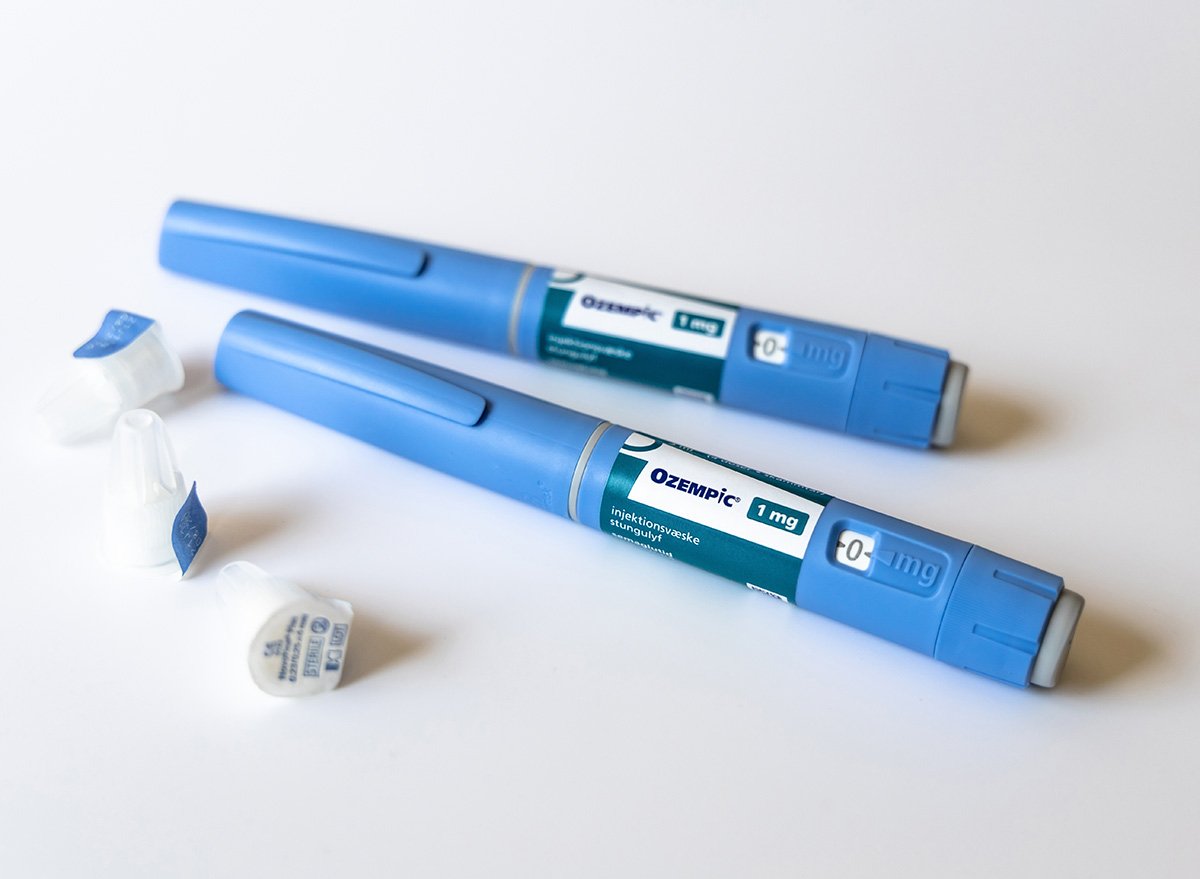
You’ve seen the headlines. Celebrities looking noticeably slimmer, a friend who’s suddenly dropped two stone, and everyone whispering the same word: Ozempic. It’s become the most talked-about weight loss drug in years — and if you’re in the UK wondering how to actually get hold of it, you’re far from alone.
Here’s the honest truth up front: getting Ozempic specifically for weight loss in Britain isn’t as simple as asking your GP and walking out with a prescription. The rules here are stricter than in the US, the NHS has tight eligibility criteria, and the private route will cost you a fair bit each month. This guide walks you through every legitimate option, what it costs, and the traps to avoid.
What Ozempic Actually Is (and Isn’t)
Ozempic is the brand name for semaglutide, a medicine originally developed to treat type 2 diabetes. It belongs to a group of drugs called GLP-1 receptor agonists — they mimic a natural gut hormone that tells your brain you’re full, slows down how quickly food leaves your stomach, and dampens those relentless food cravings.
What it isn’t: a magic jab that melts fat while you carry on as normal. In the clinical trials, the impressive results — around 15% body weight loss over 68 weeks — came from people using the drug alongside a reduced-calorie diet and more activity. The injection quiets the noise; you still have to do the work.
It’s also worth knowing there are siblings in the family. Wegovy is the same active ingredient (semaglutide) but at a higher dose and specifically licensed for weight management. Mounjaro (tirzepatide) is another option that’s been making waves. Your prescriber — NHS or private — will decide which suits you, not the headlines.
Can You Get Ozempic for Weight Loss on the NHS?
Technically, Ozempic itself is prescribed on the NHS for type 2 diabetes, not for weight loss. If your goal is purely shedding pounds, the NHS weight-management route centres on Wegovy, prescribed through specialist weight management services — not your local GP surgery directly.
The eligibility bar is deliberately high. Broadly, NICE guidance points to adults with a BMI of 35 or above (lower for people of South Asian, Chinese, Middle Eastern or Black African/Caribbean backgrounds) plus at least one weight-related health condition such as high blood pressure, prediabetes or sleep apnoea. You’d also normally need to be engaged with a specialist (tier 3 or 4) weight management service.
And here’s the part nobody likes hearing: waiting lists for these services in many parts of England stretch to many months, sometimes over a year. The NHS route is real, but it is slow. If you want the full picture of NHS weight-loss support, the NHS Live Well healthy weight pages are a good starting point, and NICE publishes the actual eligibility guidance clinicians follow.
Step-by-Step: The NHS Route
1. Book an honest appointment with your GP
Don’t dance around it — tell your GP you want help with your weight and ask about referral to the local weight management service. Bring any relevant history: previous diets, existing conditions, medications.
2. Get assessed properly
Your GP will check your BMI, blood pressure, and likely arrange blood tests to check things like blood sugar and cholesterol before any referral. This is standard and sensible.
3. Accept the referral and the wait
If you meet the criteria, you’ll be referred to a tier 3 specialist service. Expect an assessment covering your medical history, eating patterns, mental health and previous weight-loss attempts.
4. Complete the programme requirements
Many services want you to engage with their lifestyle programme first. Medication is usually offered as part of a structured plan, not instead of one.
5. Prescription and monitoring
If prescribed, it’ll typically be initiated by the specialist team with regular follow-ups — weight checks, blood pressure, blood tests and a review of side effects. Doses start low and build up gradually.
Step-by-Step: The Private Route
Most people in the UK who are on a GLP-1 for weight loss got it privately. Here’s how it normally works:
1. Choose a reputable provider
Look for a UK-registered pharmacy or clinic with GMC-registered prescribers. Proper providers always require a consultation and a prescription — any website offering to sell you Ozempic with no questions asked is one to run from.
2. Complete the medical consultation
You’ll fill in a detailed health questionnaire and usually have a consultation (video or in person). Typical private criteria: BMI of 30+, or 27+ with a weight-related condition. They’ll check your history for anything that rules these drugs out.
3. Get your prescription and pay
Costs vary by provider and dose, but as a rough guide in 2026, expect somewhere around £150 to £300 per month. Some clinics bundle consultations and follow-ups; others charge separately. Ask what’s included before you commit.
4. Start low, titrate up
You’ll begin on the lowest dose and increase every few weeks as tolerated. This titration phase is where most side effects show up — nausea being the classic one.
5. Keep up the monitoring
Reputable clinics schedule check-ins, weight reviews and repeat prescriptions. If a provider takes your money and disappears, that’s a red flag you should have spotted at step one.
Red Flags to Watch For
- No prescription required — it’s a prescription-only medicine in the UK. Full stop.
- Social media sellers and messaging apps — counterfeit weight-loss jabs are a genuine and growing problem; the MHRA has repeatedly warned about them.
- Prices that seem too good to be true — they are. You may be getting saline, the wrong drug, or nothing at all.
- No named prescriber or pharmacy registration — legitimate providers are transparent about credentials.
If you ever suspect a dodgy product or suffer a bad reaction, you can report it via the MHRA Yellow Card scheme — it genuinely helps regulators track problems.
What to Realistically Expect
The first few weeks are often the bumpiest: nausea, occasional vomiting, constipation or diarrhoea, and a dramatically smaller appetite. For most people these settle as the dose stabilises. Eating smaller meals, avoiding greasy food and staying hydrated all help.
Weight loss tends to be gradual — a steady 0.5 to 1kg a week is typical once you’re on a therapeutic dose. And here’s the uncomfortable bit the adverts skip: these drugs are generally long-term treatments. Studies show many people regain a significant chunk of weight within a year of stopping. Go in with your eyes open about that.
Who Shouldn’t Take It
GLP-1 medicines aren’t for everyone. They’re generally avoided with a personal or family history of medullary thyroid cancer or MEN 2 syndrome, during pregnancy or breastfeeding, and with a history of pancreatitis. Always tell your prescriber about every medicine you take — some drug combinations need extra caution, particularly if you’re on antidepressants or other medicines affecting brain chemistry.
Frequently Asked Questions
Can my GP prescribe Ozempic just for weight loss?
Generally no — GPs don’t usually initiate it for weight loss directly. Ozempic is licensed for type 2 diabetes; weight-management prescribing on the NHS goes through specialist services, usually with Wegovy. Your GP’s role is assessment and referral.
How much does private Ozempic cost in the UK?
Roughly £150–£300 a month depending on the provider and dose, plus consultation fees at some clinics. Prices have been drifting as competition grows, so shop around — but never at the expense of legitimacy.
How quickly will I lose weight?
Don’t expect much in the first month while the dose builds up. Most people see steady, gradual loss from month two or three onwards. The trial average was about 15% of body weight over 68 weeks with lifestyle changes.
Is it safe long-term?
The data so far is reassuring, but these drugs haven’t been used for weight loss for very long in large populations. That’s exactly why proper medical supervision — not a backstreet bargain — matters.
What happens if I stop taking it?
Appetite usually returns, and studies suggest most people regain much of the lost weight within a year unless they’ve cemented lasting lifestyle changes. Discuss a long-term plan with your prescriber from the start.
The Bottom Line
Getting Ozempic for weight loss in the UK in 2026 means choosing between a slow-but-free NHS route with strict criteria, or a faster private route costing a few hundred pounds a month. Both require proper medical supervision — there is no safe shortcut. Do your homework, pick a legitimate provider, and be honest with yourself about the long-term commitment.
This article is for information only and isn’t medical advice. Speak to your GP or pharmacist about what’s right for you.