How Much do Contact Lenses Cost in the UK? Average Price Guide (2026)
Thinking of ditching the specs? Whether you’re fed up with steamed-up glasses, play sport, or just fancy a change, contact lenses are brilliant — but the…
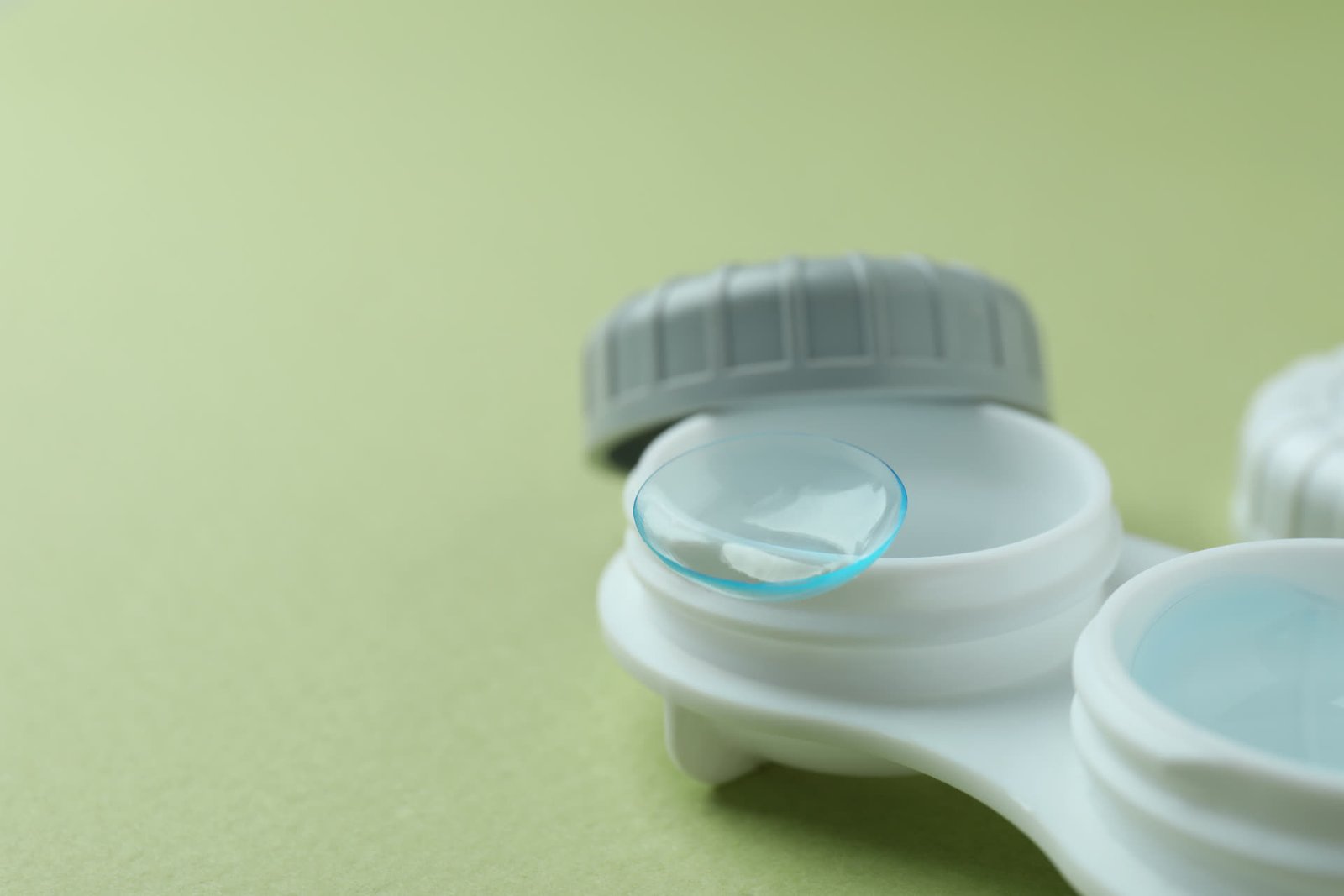
Thinking of ditching the specs? Whether you’re fed up with steamed-up glasses, play sport, or just fancy a change, contact lenses are brilliant — but the costs aren’t always obvious upfront. Between the lenses themselves, the eye tests, and the solutions, what does it actually add up to in the UK in 2026?
The short answer: most contact lens wearers in the UK spend roughly £15–£40 per month on lenses, plus £20–£60 per year on solutions and around £25–£60 for each eye test. All-in, budget £250–£550 per year depending on the lens type you choose. Here’s the full breakdown.
Monthly Lens Costs by Type (2026 UK Prices)
The type of lens is the biggest cost driver:
- Daily disposables: £15–£35/month. The most popular choice in the UK — fresh pair every day, no cleaning faff. A 30-day supply typically costs £15–£35 depending on brand and prescription complexity.
- Two-weekly / monthly reusables: £8–£20/month for the lenses themselves. Cheaper per lens, but add £5–£10/month for cleaning solution.
- Toric lenses (for astigmatism): £20–£45/month. The specialised shape costs more to manufacture.
- Multifocal lenses: £25–£50/month. For presbyopia (the over-40s reading-vision thing) — clever optics, premium price.
- Coloured/cosmetic lenses: £10–£30/month for plano (non-prescription); prescription coloured lenses cost more. Always buy from a registered UK supplier — never market stalls or fancy-dress shops.
Daily disposables cost more per month but many wearers find the convenience (and hygiene) worth it. If you only wear lenses occasionally — weekends, sport — dailies are almost always the most economical choice since monthlies expire 30 days after opening regardless.
The Hidden Costs: Eye Tests and Aftercare
Lenses aren’t just a product you buy — UK law requires proper fitting and aftercare:
- Contact lens fitting (first time): £30–£80 at most high-street opticians. This includes measurements, trial lenses, and teaching you how to put the things in without poking yourself in the eye (a genuine skill).
- Annual eye test: £25–£35 at most chains (Specsavers, Boots Opticians); free in Scotland and for under-16s, over-60s, and various exempt groups across the UK.
- Contact lens aftercare checks: £0–£60/year. Many opticians bundle these into a monthly plan; some charge per check-up. These aren’t optional extras — the NHS advises regular check-ups to keep your eyes healthy.
- Solutions and cases: £20–£60/year for reusable lens wearers (multipurpose solution, plus fresh cases every 1–3 months). Daily disposable wearers skip this entirely.
Monthly Direct Debit Plans: Are They Worth It?
Most UK opticians push their lens subscription plans — and honestly, they’re often decent value:
- Specsavers: contact lens plans from around £8–£30/month including lenses, aftercare, and solution discounts.
- Boots Opticians: similar monthly plans with aftercare bundled.
- Online suppliers (e.g. Feel Good Contacts, Vision Direct): lenses alone, often 10–20% cheaper than high street — but you still need your prescription and aftercare sorted separately.
Plans make sense if you wear lenses full-time and value the bundled aftercare. If you’re an occasional wearer, buying dailies online as needed is usually cheaper. Always compare the total annual cost, not just the monthly lens price.
One caution: you’ll need a valid, in-date contact lens prescription (separate from your glasses prescription) to buy lenses anywhere reputable in the UK. Any site selling prescription lenses without asking for one is breaking the law — and risking your eyesight.
Can You Get Contact Lenses on the NHS?
Generally, no — contact lenses are considered a lifestyle choice rather than a medical necessity. But there are exceptions where the NHS funds them:
- Certain medical conditions (e.g. keratoconus, severe dry eye where glasses don’t work, post-surgery)
- Children with specific vision conditions, via hospital eye clinics
- Very high prescriptions where glasses are impractical
If you think you might qualify, ask your optician or GP for a hospital optometry referral. For everyone else, it’s private — though the costs above are hardly ruinous compared with, say, the cost of private eye surgery.
Money-Saving Tips
- Buy dailies online from registered UK suppliers once you have your prescription — often meaningfully cheaper than high street.
- Don’t overwear. Stretching monthlies to six weeks or sleeping in dailies risks eye infections that cost far more (in money and misery) than fresh lenses. Corneal ulcers are no joke.
- Ask about own-brand equivalents. Many opticians’ own-brand lenses are made by the big manufacturers — same lens, lower price.
- Check cashback and voucher sites before signing up to a plan — opticians frequently run new-customer offers.
- Keep your aftercare appointments. Skipping them to save £30 is false economy if an undetected problem develops.
Glasses vs Contact Lenses: Which Is Cheaper Long-Term?
A decent pair of glasses (£100–£250 with lenses) lasts 2–3 years, working out at roughly £40–£100/year plus eye tests. Contact lenses run £250–£550/year. So glasses win on pure cost — but plenty of people happily pay the premium for the freedom lenses give them, especially for sport or work. Many wearers do both: glasses most days, dailies for the gym or nights out. Best of both worlds.
Contact Lens Cost FAQs
How much are contact lenses per month in the UK?
£15–£35/month for daily disposables (most popular), £8–£20/month for monthlies plus solution costs. Toric and multifocal lenses cost more (£20–£50/month).
Do I need an eye test before getting contact lenses?
Yes — UK law requires a valid contact lens specification from a registered optician, plus regular aftercare check-ups. A glasses prescription alone isn’t enough.
Are daily or monthly lenses cheaper?
Monthlies are cheaper per month (£8–£20 + solution) than dailies (£15–£35). But if you wear lenses fewer than ~15 days a month, dailies usually work out cheaper overall since monthlies expire 30 days after opening.
Can I buy contact lenses online in the UK?
Yes, from registered suppliers — you’ll need to provide your valid contact lens prescription. Reputable online retailers are often 10–20% cheaper than the high street. Avoid any seller that doesn’t ask for a prescription.
Why are toric lenses more expensive?
Toric lenses correct astigmatism with a more complex lens geometry (different powers in different meridians, plus stabilisation zones so the lens doesn’t rotate). More complex to manufacture = higher price.
The Bottom Line
Budget £250–£550 a year for contact lenses in the UK in 2026 — £15–£40 a month for the lenses, plus eye tests, aftercare and solution. Daily disposables are the convenient, hygienic favourite; monthlies are cheaper if you wear them every day. Get properly fitted, keep your check-ups, never buy prescription lenses from dodgy sellers, and enjoy seeing the world without frames.
Prices are typical UK ranges for 2026 and vary by prescription and supplier. This article is for information only — your optician can advise on the best option for your eyes.