How Regularly Should You Change Your Pad: What You Need to Know
It’s one of those questions almost everyone who menstruates has wondered at some point, yet few people ask out loud: how often should you actually be…
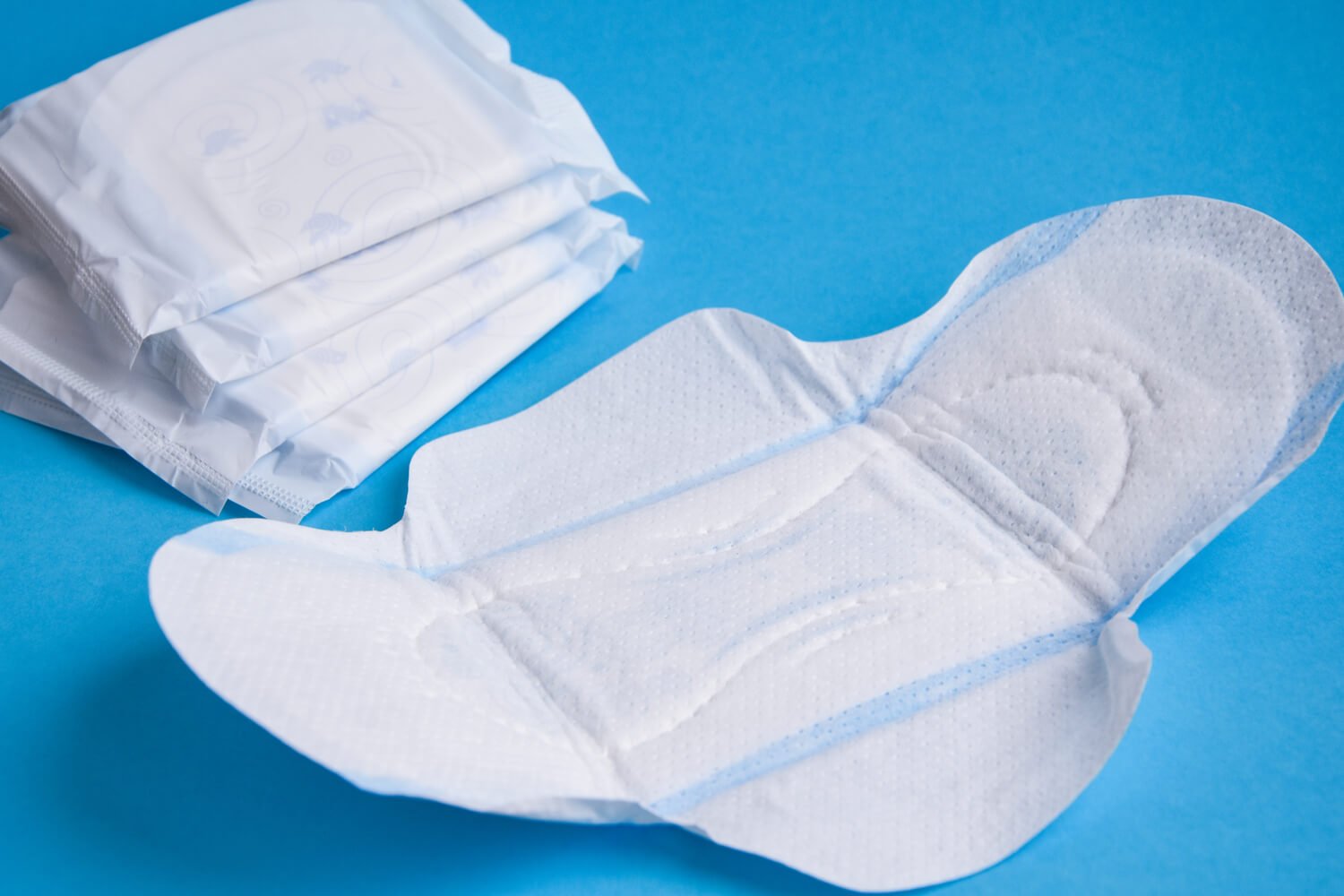
It’s one of those questions almost everyone who menstruates has wondered at some point, yet few people ask out loud: how often should you actually be changing your pad? Too often and you’re burning through boxes for no reason. Too rarely and you’re risking leaks, odour and — more seriously — infections.
The short answer most health professionals give is every four to eight hours. But as with most things to do with periods, the real answer is: it depends. Your flow, the type of pad, the time of day and even the weather all play a part. Let’s get into the detail.
The General Rule: Every 4–8 Hours
Health organisations including the NHS advise changing sanitary pads every four to eight hours as a baseline. That range exists because no two periods — and no two days of the same period — are identical. Day two of a heavy flow is a different beast from day five’s light spotting.
Think of it less as a strict timetable and more as a maximum interval. Four hours is sensible on heavy days; stretching toward eight is fine when things are light. What you want to avoid is the “I’ll just leave it, it’s not that full” trap on a busy day — a pad that’s been on too long becomes a warm, moist environment where bacteria thrive.
Why It Actually Matters
Odour
Let’s be frank: menstrual blood itself doesn’t smell much when it leaves the body, but once it’s been sitting in a pad exposed to air and bacteria for hours, it develops that distinctive odour. Regular changes are the single most effective fix.
Skin irritation and rashes
Prolonged contact with a damp pad can cause chafing, itching and rashes — particularly in warmer weather or if you’re active. If you’re getting recurrent irritation, changing more often (or switching pad type) usually sorts it.
Infection risk
This is the serious one. Leaving pads on too long increases the risk of bacterial overgrowth and urinary tract irritation. While toxic shock syndrome (TSS) is more strongly associated with tampons left in too long, good menstrual hygiene across the board is simply non-negotiable.
Adjusting for Your Flow
Heavy days (usually days 1–3)
Change every 3–4 hours, and consider a higher-absorbency pad or a night-time pad during the day. If you’re soaking through a regular pad in under two hours, that’s worth mentioning to your GP — very heavy bleeding can sometimes signal things like fibroids or hormonal issues, and unusually heavy or painful periods deserve proper investigation.
Medium days
Every 4–6 hours is the sweet spot for most people.
Light days and spotting
You can stretch to 6–8 hours, but don’t go beyond that out of habit. Panty liners are fine here, but the same hygiene rules apply.
Night-Time: What Should You Do?
Obviously nobody’s setting a 4am alarm to change a pad. The practical solution is a long, high-absorbency night pad before bed, which is designed to handle 8+ hours. Change into a fresh one right before sleep and swap it first thing in the morning. If your flow is very heavy overnight, doubling up with period pants as backup is a trick many people swear by.
Does Pad Type Make a Difference?
Yes, somewhat. Ultra-thin pads with good absorbent cores can genuinely last longer than basic bulky ones, and overnight pads are built for extended wear. But no pad — however premium — overrides the hygiene clock entirely. “12-hour protection” on the packaging refers to absorbency capacity, not a recommendation to actually wear one that long.
Reusable cloth pads are a different calculation: they generally need changing on a similar schedule, and they must be rinsed and washed properly between uses. They can be brilliant for the environment and your wallet, but only if the washing routine is consistent.
Signs You’re Not Changing Often Enough
- Noticeable odour by the afternoon
- Itching, redness or a rash where the pad sits
- Feeling damp or uncomfortable well before you’d planned to change
- Leaks at the edges or back
- A general sense of not feeling fresh — trust your instincts here
Practical Tips for Busy Days
Keep a small pouch in your bag with two or three pads, a couple of disposal bags and a spare pair of pants — it removes all the faff. At work or uni, a quick trip to the loo every few hours is easier than dealing with a leak in a meeting. And always wash your hands before and after changing; it sounds obvious, but it’s the bit people skip.
For teenagers just starting out, by the way: there’s no shame in changing “too often” while you’re learning your pattern. You’ll calibrate within a couple of cycles. The NHS periods hub has straightforward, judgement-free guidance aimed at all ages.
Frequently Asked Questions
Can I wear one pad all day if my flow is light?
Even with a light flow, eight hours is the sensible maximum. Bacteria don’t care how light your flow is — time is the issue, not volume.
Is it bad to change my pad too often?
Not really, beyond cost and waste. If changing every couple of hours gives you peace of mind on heavy days, that’s completely fine.
Do I need to change more often in summer?
Heat and sweat make irritation more likely, so yes — err on the side of more frequent changes in hot weather, and consider breathable cotton pads.
What about when I’m swimming or exercising?
Pads aren’t designed for swimming (they’ll absorb pool water). For sport, change just before and just after, and consider period pants or a menstrual cup for heavy training days.
The Bottom Line
Every four to eight hours is the rule of thumb, adjusted to your flow: more often on heavy days, the full stretch only when things are light. It’s a small habit that makes a genuine difference to comfort, confidence and health. And if your periods are consistently very heavy, very painful or irregular, don’t just manage them — get them checked out. You can read more about when period symptoms warrant a trip to the GP, including what tests like blood work can reveal about heavy bleeding.