Stop Weeds Without Chemicals: A Manchester Gardener’s Guide
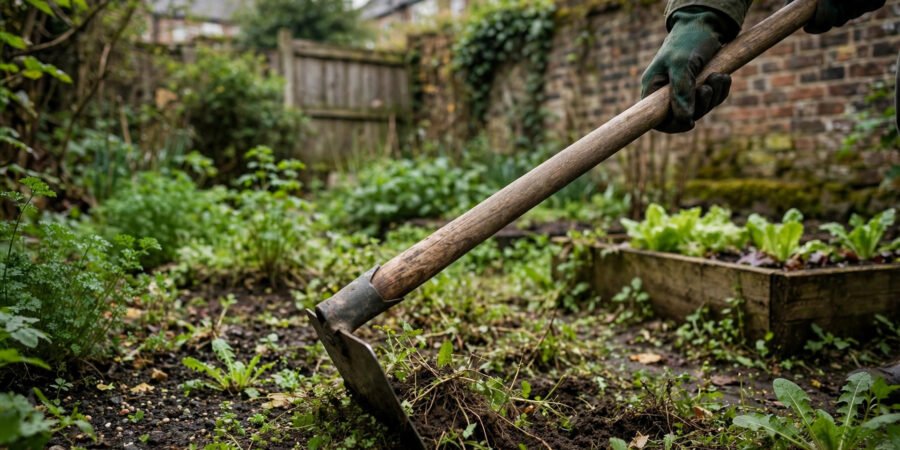
Manchester gardens have a particular relationship with weeds. The city’s generous rainfall — around 800 mm a year — combined with mild winters means something is always ready to germinate, from pavement-crack dandelions to the bindweed that treats fences as motorways. For years the default answer was a spray bottle of glyphosate; but with councils restricting herbicide use, bee populations under pressure, and many gardeners simply not wanting chemicals where children and pets play, the question has shifted: how do you actually beat weeds without the spray?
You can — and the gardens that manage it are not spending every weekend on their knees. This guide lays out a complete chemical-free weed strategy tuned for Manchester’s wet climate, from instant fixes to the long game that makes weeds give up on their own.
Why Manchester Weeds Are So Relentless
Understanding the enemy helps. Manchester’s climate is weed paradise: consistent moisture means seeds germinate nearly year-round, and the urban heat island keeps winters mild enough for chickweed, bittercress and annual meadow grass to grow through December. Disturbed soil — every new bed you dig — triggers a buried seed bank that can persist for decades; poppies famously germinated on building sites from seeds 80 years old.
Weeds also exploit bare soil ruthlessly. Every square centimetre of exposed earth in a Manchester garden is an invitation, which is why the gardens with the fewest weeds are rarely the most sprayed — they are the most covered. That single insight drives the entire chemical-free approach.
The Instant Wins: Techniques That Work This Weekend
Hoe on a dry day
The humble Dutch hoe (£15–£25) remains the fastest weed tool ever invented for annual weeds. On a dry, breezy day, slice seedlings just below the surface and leave them to desiccate in the sun — ten minutes weekly beats a monthly hour-long session. The key is catching weeds at the “white thread” stage; a weed you can see properly is already a month behind schedule.
Boiling water and hand-pulling
For weeds in paving cracks and gravel — the classic Manchester front-yard problem — a kettle of boiling water kills top growth instantly and costs nothing. It will not kill deep perennial roots, but repeated applications exhaust them. Hand-pulling after rain, when Manchester soil obligingly loosens, is deeply satisfying and genuinely effective for tap-rooted weeds like dandelions: get the whole root or it returns. A daisy grubber or old screwdriver helps.
Flame weeders
Paraffin or gas flame guns (£30–£60) scorch weeds on paths and drives in seconds — you are bursting plant cells with heat, not incinerating. They are fast, chemical-free, and oddly fun, but keep them away from fences, decking, and anything flammable, and never use during dry spells when the gov.uk wildfire guidance applies.
The Strategic Layer: Stop Weeds Germinating at All
Killing weeds one by one is trench warfare; stopping them germinating is victory. Mulch everything: 7–8 cm of composted bark on borders blocks the light weed seeds need — the RHS advice on weed control without chemicals backs this mulch-first approach. Plant densely: ground-cover plants — geranium ‘Rozanne’, creeping thyme, sedums — close the canopy so weeds cannot get light. Our guide to low-maintenance UK garden plants is full of dense planters that outcompete weeds naturally.
No-dig beds deserve special mention: by never turning the soil, you never wake the buried seed bank. Cardboard laid over weedy ground, topped with 15 cm of compost, smothers almost everything within a season — the famous “lasagne” method — and you plant straight into the compost. It is the closest thing to a cheat code chemical-free gardening has.
For lawns, the weed strategy is cultural: mow high (5–7 cm), feed in spring, and overseed bare patches in autumn. A thick lawn simply leaves no room for daisies and dandelions to establish. Moss — Manchester’s signature lawn invader — is a symptom of shade, compaction, and acidity, not a weed to kill; aerate, scarify, and consider whether that shady corner wants to be lawn at all.
Defeating the Perennials: Bindweed, Couch Grass, and Mares’ Tails
Annual weeds are trivial; perennial weeds are the real war, and Manchester’s damp soil suits them all. Bindweed: never dig it (every fragment regrows) — instead, train shoots up bamboo canes and either strip leaves repeatedly to starve the roots or use the targeted “glove of death” wipe technique if you ever resort to minimal herbicide. Purely chemical-free, persistent cutting-back exhausts it in 2–3 seasons. Couch grass: fork out every white rhizome fragment — tedious but definitive. Mares’ tail: the horsetail that laughs at most treatments; weaken by improving drainage (it loves waterlogged ground) and bruising stems before any treatment so it penetrates the waxy coating.
The honest truth: eradicating established perennials without chemicals takes persistence, not power. But it is absolutely achievable — Victorian gardeners did it with forks and patience, and allotment holders still do.
Prevention: The Garden That Weeds Itself
The endgame is a garden where weeds barely get a foothold. The recipe: no bare soil ever (mulch or plant it), dense planting in drifts, living paths of chamomile or thyme instead of weedy gravel, regular light hoeing as a five-minute habit, and composting discipline — never compost seeding weeds or perennial roots in a cold heap; hot compost (over 60°C) kills seeds, cold compost spreads them. Dandelion clocks go in the council green bin, not your compost.
This approach has a side benefit chemical spraying never offers: it builds the garden ecosystem. A spray-free Manchester garden buzzes with pollinators and hosts the frogs and beetles that eat slugs — the philosophy behind wildlife-friendly gardening on a budget, which pairs perfectly with chemical-free weed control.
Conclusion
Stopping weeds without chemical sprays in Manchester is not about finding one magic alternative to glyphosate — it is about stacking small advantages until weeds cannot compete: hoe seedlings weekly, mulch every border, plant densely, go no-dig on new beds, and starve the perennials of light and patience. Within a single growing season, most gardeners find the weed burden collapses to a few minutes a week. The rain will keep falling; the weeds just will not have anywhere to land.
Frequently Asked Questions
What kills weeds permanently without chemicals?
Nothing kills all weeds permanently — but smothering with cardboard and deep mulch, plus dense planting, prevents the vast majority from ever germinating. For paths, repeated boiling water or flame weeding exhausts even tough weeds.
Does vinegar kill weeds effectively?
Household vinegar (5%) only burns top growth and is unreliable; horticultural vinegar (20%+) works better but can harm soil life and is caustic to handle. Mulching and hoeing are more effective long-term.
How do I get rid of bindweed without weedkiller?
Never dig it — fragments regrow. Train shoots up canes and repeatedly strip the leaves to starve the roots, or smother with light-excluding membrane for a full season. Expect 2–3 seasons of persistence.
Will mulch stop all weeds?
A 7–8 cm layer of composted bark stops the great majority of annual weeds by blocking light. It will not stop established perennial weeds like bindweed or couch grass — clear those first.
Is no-dig gardening good for weed control?
Excellent — it is one of the best chemical-free strategies. By never turning the soil you keep the buried weed seed bank dormant, and annual compost top-dressings smother what does emerge.