Stop Cats Using Your Garden as a Litter Tray (UK Guide)
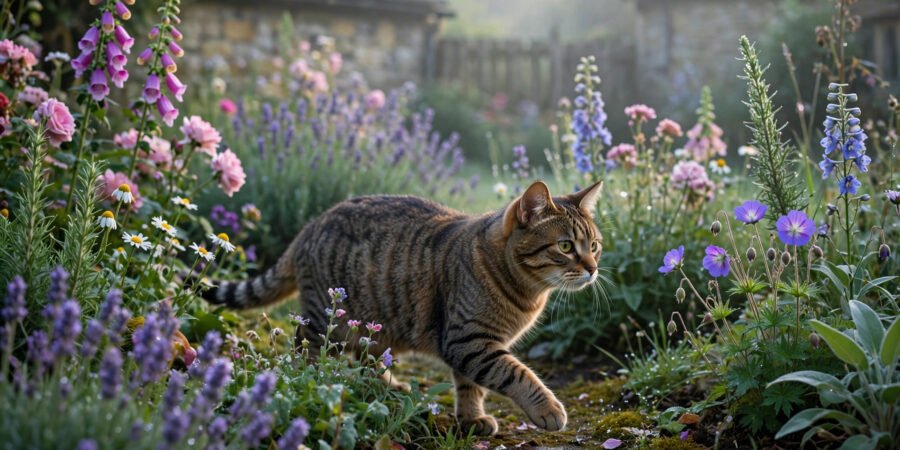
There is a particular kind of morning disappointment known to gardeners across Wales: you step out with your coffee, admire the seedbed you lovingly raked the evening before, and find it cratered with paw prints and something far worse. The neighbourhood cats have been at it again. It is infuriating, unhygienic, and — if you have spent money on plants — genuinely costly.
The good news is that this is one of the most solvable garden problems in Britain. Cats are creatures of habit and texture, and once you understand why they pick your patch of earth, you can make it the least appealing toilet on the street. This guide covers what actually works, what the law in Wales allows, and how to handle the neighbour question without starting a feud.
Why Cats Pick Your Garden (and Not the One Next Door)
Cats are not doing this to spite you. A freshly dug flowerbed or vegetable patch is, to a cat, simply the perfect latrine: loose, dry soil that is easy to dig in, soft under the paws, and usually quiet — which is why the problem often appears the morning after a productive weekend in the garden. Scent compounds it: cats return to spots that already smell like a toilet, so once one cat claims your border, others follow. Every effective deterrent works by breaking one of these attractions: the texture, the scent, or the sense of safety.
What the Law in Wales Actually Says
Before you reach for drastic measures, it helps to know where you stand. In Wales, as in the rest of the UK, cats have a legal “right to roam” — an owner cannot be held liable for trespass if their cat wanders into your garden. This is different from dogs, where owners can be liable. It means you cannot demand a neighbour keeps their cat indoors, and the council will not impound a cat for using your flowerbed.
What you can do is deter humanely. What you must never do is harm the animal: poisoning, trapping with intent to injure, or using anything that causes suffering breaches the Animal Welfare Act 2006, which applies in Wales, and can lead to prosecution. Mothballs, antifreeze-soaked food, and pepper spray are not just cruel — they are potentially illegal. Stick to deterrence, not retaliation, and you stay firmly on the right side of the law. If a situation is genuinely persistent, your local council’s environmental health team can advise, though most councils treat cat fouling as a civil matter between neighbours.
Deterrents That Actually Work
Change the texture
The single most effective strategy is making the soil unpleasant to dig in. Cats love fine, loose earth; they hate rough, prickly, or unstable surfaces. Spread rough bark chippings, pine cones, holly cuttings, or prickly hedge trimmings over bare soil. Purpose-made plastic “cat scat mats” — flexible sheets with blunt spikes — work well around prized plants and can be cut to fit. Chicken wire laid flat just under the soil surface also defeats digging paws while letting plants grow through. For seedbeds specifically, covering with horticultural fleece or netting until seedlings establish removes the temptation at its most vulnerable stage.
Use scent strategically
Cats navigate by smell, and several scents put them off. Citrus peel (orange and lemon) scattered on borders is the classic home remedy and genuinely helps for a few days, though it needs refreshing after rain — plentiful in Wales. Plants do the longer-term work: rue, lavender, rosemary, and the so-called “scaredy cat plant” (Coleus canina) all have foliage cats dislike brushing against. Commercial cat-repellent granules based on natural oils are widely available at Welsh garden centres; apply after rain for best effect. Our guide to low-maintenance plants suited to UK gardens includes several of these do-double-duty options.
Motion and water
For the nuclear option that remains entirely humane, motion-activated water sprinklers are the gold standard. A sudden jet of water startles without harming, and cats learn within days to avoid the area entirely. They cost £25–£50, connect to a garden hose, and double as irrigation. Battery-powered ultrasonic deterrents get mixed reviews — some gardeners swear by them, independent tests are less convinced — but they are worth trying in combination with texture changes. What does not work reliably on its own: lion dung pellets (the evidence is thin and they wash away fast in Welsh rain) and CDs hung on strings (cats habituate within a week).
Make Your Garden Less Inviting Overall
Think like a cat estate agent: what makes your garden the premium choice? Bare soil is the biggest factor, so never leave earth exposed. Mulch every border with chunky bark (not fine compost, which cats adore), plant dense ground cover like creeping thyme or sedum, and fill gaps between new plants immediately. Raised beds with high edges are less attractive than ground-level soil, and a 2-metre fence with a roller bar or angled top makes the garden harder to enter in the first place — though determined cats will still find a way.
There is a balance to strike if you also value wildlife. A garden sealed against cats entirely can deter hedgehogs and birds too, so many gardeners take a zoned approach: protect the vegetable patch and new seedbeds fiercely, but leave wilder corners alone. Our piece on making your garden wildlife-friendly on a budget shows how to keep the ecosystem thriving while defending your borders.
The Neighbour Conversation (Without Starting a Feud)
If you know whose cat it is, a calm chat beats silent resentment every time. Most owners are mortified to learn their pet is the culprit and will happily contribute to deterrent costs or keep a litter tray more appealing at home. Lead with the problem, not an accusation — “I think one of the local cats has taken a liking to my new beds” — and mention what you have already tried. Never threaten the cat, even jokingly; it escalates instantly.
Document persistent problems with dated photos if fouling is damaging property or a health concern (toxoplasmosis risk from cat faeces matters if you grow vegetables or have a sandpit — always wash hands and produce thoroughly). If diplomacy fails and the issue is severe, a letter before considering mediation shows you acted reasonably. Cats Protection’s advice on deterring cats is a useful neutral resource to share with a neighbour — it comes from a cat charity, so it does not read as an attack.
What NOT to Do
A quick list of common “solutions” to avoid: mothballs (toxic, illegal to misuse as pesticide, dangerous to children and pets); cayenne pepper or chilli powder (causes pain and distress — cruel and indiscriminate, harming hedgehogs too); antifreeze (lethal to cats, dogs and wildlife — a criminal offence to lay deliberately); live trapping and dumping (illegal abandonment under the Animal Welfare Act); and ultrasonic devices left on maximum near ponds (they can distress other wildlife). The RSPB’s guidance on garden wildlife is a good reminder that your deterrents share the garden with creatures you actually want.
Conclusion
Stopping cats using your garden as a litter tray comes down to one principle: make the toilet inconvenient and the garden uninviting. Change the texture of bare soil, layer scent deterrents, back it up with a motion-activated sprinkler for stubborn cases, and keep the neighbourly conversation friendly. Within a fortnight, most gardens see the problem collapse.
Frequently Asked Questions
Is it illegal for a neighbour’s cat to foul in my garden in Wales?
No. Cats have a legal right to roam in Wales and the rest of the UK, and owners are not liable for trespass. You can deter cats humanely but cannot demand the owner confines the animal or claim damages for fouling.
What is the most effective cat deterrent for gardens?
Changing the soil texture is most effective long-term — rough bark mulch, prickly cuttings, or cat scat mats over bare earth. Motion-activated water sprinklers are the strongest single device for persistent problems.
Do ultrasonic cat repellers actually work?
Evidence is mixed. Some gardeners report success, but independent tests show many cats habituate or ignore them. They work best combined with texture and scent deterrents, not as a standalone fix.
Can I use pepper or mothballs to deter cats?
No — both can harm cats and other wildlife. Mothballs are toxic and their misuse as a pesticide can be illegal; pepper causes pain and distress. Stick to humane deterrents like citrus, scented plants, and water sprinklers.
How do I stop cats fouling in my vegetable patch specifically?
Cover beds with netting or fleece until plants establish, mulch with chunky bark rather than fine compost, lay chicken wire flat beneath the soil surface, and wash all produce thoroughly. Never leave bare dug soil exposed.