How Long does Tramadol Last? Complete Answer
First things first: tramadol is a prescription-only painkiller in the UK (a Class C controlled drug). This article explains how long its effects typically last and…
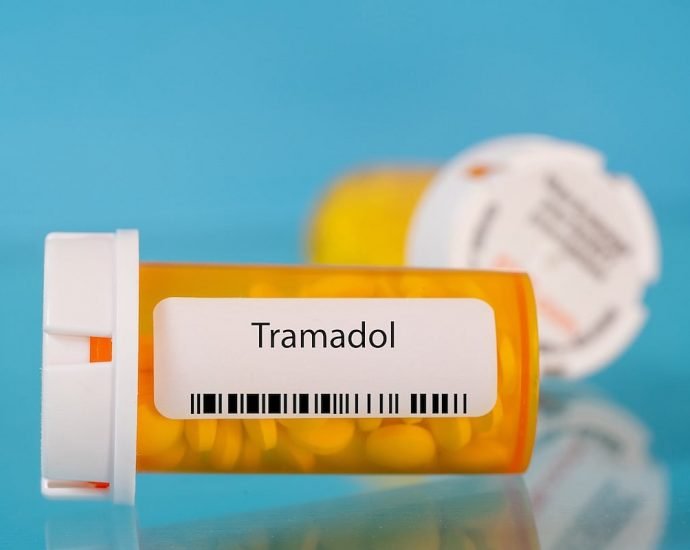
First things first: tramadol is a prescription-only painkiller in the UK (a Class C controlled drug). This article explains how long its effects typically last and what influences that — it’s information, not medical advice. Always take tramadol exactly as your prescriber directed, and talk to your GP or pharmacist with any concerns.
Tramadol sits in an interesting spot in the painkiller world: stronger than codeine for many people, but not as potent as morphine. It’s commonly prescribed in the UK for moderate to moderately severe pain — after surgery, for back pain, arthritis flare-ups, or nerve pain. One of the most common questions patients ask is simply: once I take it, how long until it wears off?
The Short Answer
- Immediate-release tramadol (capsules/tablets): pain relief typically lasts 4–6 hours per dose.
- Slow-release / modified-release tramadol (labelled SR, XL, or “m/r”): lasts 12–24 hours depending on the formulation — designed for twice-daily or once-daily dosing.
Effects usually begin within 30–60 minutes of taking immediate-release tramadol, peaking at around 2–3 hours. Slow-release versions take a little longer to kick in but maintain steadier levels.
How Tramadol Works (Briefly)
Tramadol is unusual among painkillers because it works two ways: it acts weakly on the brain’s opioid receptors (like other opioid painkillers), and it also boosts serotonin and noradrenaline — brain chemicals involved in pain signalling and mood. That dual action is partly why it’s effective for nerve pain as well as ordinary pain, and partly why it has its own particular side-effect profile.
The NHS medicines guide for tramadol has the full official rundown on how it’s used and what to expect.
What Affects How Long It Lasts for You
The 4–6 hour figure is an average — individual experience varies:
- Your metabolism. Tramadol is converted in the liver to its active form (O-desmethyltramadol). People with faster liver enzymes feel stronger, longer effects; “poor metabolisers” may find it weaker. Genetics plays a real role here.
- Age. Older adults clear tramadol more slowly, so effects (and side effects) can linger longer. Doses are often reduced over 75.
- Kidney or liver problems. Both slow clearance — your prescriber should adjust dosing accordingly.
- Other medicines. Antidepressants (especially SSRIs), certain antifungals, and some antibiotics can interact — sometimes dangerously (serotonin syndrome risk). Always tell your prescriber everything you take, including over-the-counter stuff.
- Food. Taking tramadol with food doesn’t change how long it lasts much, but it can reduce nausea.
- Tolerance. With regular use over weeks, the same dose may feel less effective and wear off sooner. This is a sign to talk to your prescriber, not to increase the dose yourself.
How Long Does Tramadol Stay in Your System?
Related but different question. Tramadol’s half-life (time for half the drug to clear) is about 6–7 hours in healthy adults, longer for the active metabolite (7–9 hours) and longer still in older people or those with kidney issues. Roughly speaking, it’s mostly cleared within 2–4 days of the last dose — though slow-release forms take a bit longer to fully wash out.
This matters for drug testing (workplace, driving) and for understanding withdrawal timing if stopping after prolonged use.
Side Effects Worth Knowing
Common ones, especially when starting: nausea, dizziness, drowsiness, constipation, headache, dry mouth, sweating. These often ease after the first few days.
More serious — seek prompt advice if you experience:
- Severe drowsiness, confusion, or difficulty breathing
- Signs of serotonin syndrome: agitation, hallucinations, rapid heartbeat, muscle stiffness, high temperature (especially if combined with antidepressants)
- Seizures (tramadol lowers the seizure threshold, particularly at higher doses)
- Signs of dependence: needing higher doses, cravings, withdrawal symptoms (anxiety, sweating, insomnia, nausea) between doses
Driving: tramadol can cause drowsiness and slowed reactions. It’s actually an offence in England and Wales to drive with certain levels of specified drugs including tramadol in your system — though there’s a statutory medical defence if you’re taking it as prescribed and your driving isn’t impaired. Still: if it makes you drowsy, don’t drive. The gov.uk drug-driving guidance explains the law.
Alcohol: don’t mix them. Both depress the central nervous system; together they can cause dangerous breathing problems.
Stopping Tramadol: Don’t Go Cold Turkey
If you’ve been taking tramadol regularly for more than a few weeks, stopping suddenly can trigger withdrawal — anxiety, restlessness, sweating, nausea, insomnia, and in some cases the very pain returning with interest. Your prescriber can taper the dose gradually to avoid this. Never just stop long-term tramadol on your own; get a plan from your GP or pharmacist.
Dependence can develop even when taken as directed — it’s a known risk of the medicine, not a personal failing. If you’re worried, say so openly; healthcare professionals deal with this routinely and without judgement.
Tramadol FAQs
Is tramadol stronger than codeine?
For most people, yes — tramadol is roughly comparable to low-dose morphine in potency, a step up from codeine. That’s why it’s prescription-only and controlled, while low-dose codeine is available over the counter.
Can I take paracetamol with tramadol?
Yes — paracetamol and tramadol are often prescribed together (some combination tablets exist) and they work well in combination. Don’t exceed the paracetamol maximum (4 g in 24 hours for adults). Check with your pharmacist if unsure.
Why isn’t my tramadol working anymore?
Tolerance develops with regular use. It could also be that your pain has changed character (e.g. nerve pain worsening) and needs reassessment. Either way, see your prescriber rather than increasing the dose yourself.
How should I store tramadol?
As a controlled drug, keep it secure — locked away from children, teenagers, and anyone who might misuse it. Never share prescription medicines. Return unused tablets to a pharmacy for safe disposal; don’t flush them or bin them.
Can I take tramadol during pregnancy?
Only if your doctor specifically advises it — tramadol can affect the baby, including withdrawal symptoms in newborns. Always discuss pain management options in pregnancy with your midwife or GP.
The Bottom Line
Immediate-release tramadol relieves pain for about 4–6 hours; slow-release versions cover 12–24 hours. How it behaves for you personally depends on your metabolism, age, health, and other medicines. It’s an effective painkiller when used properly — and a medicine that deserves respect: take it as prescribed, watch for interactions, never mix with alcohol, and talk to your prescriber if it’s losing effectiveness or causing problems.
This article is for information only and is not medical advice. Tramadol is prescription-only in the UK. Always follow your prescriber’s instructions and speak to your GP or pharmacist with any concerns.