The Best Slow Cooker Recipes for Winter in the UK
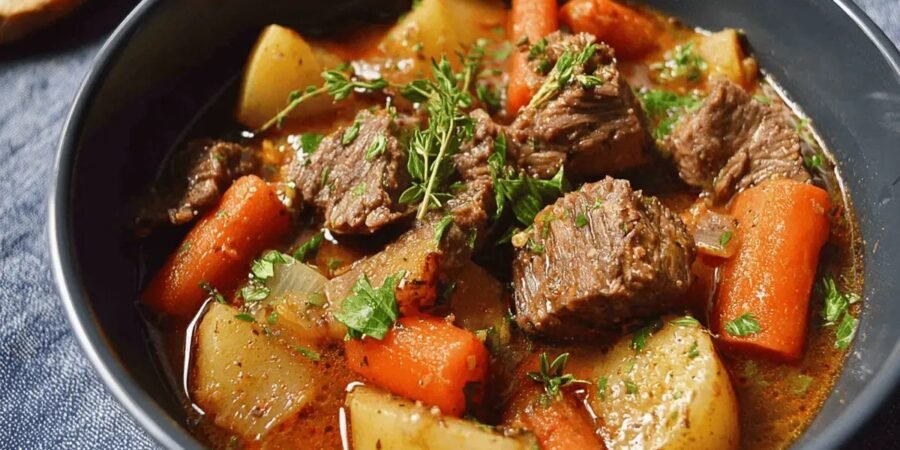
The best slow cooker recipes for winter in the UK are the ones that turn cheap cuts and humble veg into something magnificent while you’re at work: beef stew, chicken curry, pulled pork, ham in cola, and proper rice pudding. A slow cooker is the most underrated appliance in British kitchens — pennies to run (around 20–30p for 8 hours versus heating the oven), almost impossible to ruin food in, and it makes the house smell incredible. Winter is its season.
What Are The Best Slow Cooker Recipes For Winter In The UK: The Classics
- Beef stew: the quintessential one. Chuck steak, onions, carrots, parsnips, a spoonful of tomato purée, beef stock, thyme and a bay leaf. 8 hours on low. The meat surrenders completely. Thicken at the end with a cornflour slurry if needed.
- Chicken curry: thighs (never breast — it dries out), onions, garlic, ginger, curry powder or paste, tinned tomatoes, coconut milk. 6 hours on low. Stir through spinach at the end.
- Pulled pork: pork shoulder, a rub of smoked paprika, brown sugar, salt and pepper, plus a splash of apple juice. 8–10 hours on low. Shred with two forks. Feeds a crowd for pennies.
- Ham in cola: sounds wrong, tastes incredible. Gammon joint covered in cola (not diet — you need the sugar) with a spoonful of mustard. 6–8 hours on low. Sweet, salty, sticky.
- Sausage casserole: brown the sausages first (non-negotiable for colour and flavour), then into the cooker with onions, peppers, tinned tomatoes, baked beans and a pinch of smoked paprika. 6 hours on low.
- Rice pudding: pudding rice, milk, sugar, nutmeg, a knob of butter. 4–5 hours on low, stirred once or twice. Proper nursery comfort.
- Red lentil dahl: red lentils, onion, garlic, ginger, turmeric, cumin, veg stock. 5–6 hours on low. The cheapest hot meal imaginable.
Slow Cooker Rules for Winter Cooking
- Brown meat first: the cooker can’t brown, and browning = flavour (the Maillard reaction). Ten minutes in a hot pan transforms the final dish.
- Less liquid than you think: almost no evaporation happens under the lid. Halve the liquid you’d use in a normal recipe, or you’ll get soup.
- Cheap cuts win: chuck, shin, shoulder, thighs — the tough, collagen-rich cuts become meltingly tender. Expensive lean cuts just dry out. The slow cooker is an economy machine.
- Dairy and fresh herbs go in late: cream, yogurt and fresh herbs added in the last 30 minutes. All day and they split or turn bitter.
- Don’t lift the lid: every peek costs 15–20 minutes of heat. Trust the process.
- Fill it half to three-quarters: too empty and it cooks too fast; too full and it won’t heat through safely.
Winter veg is made for the slow cooker — all those autumn vegetables like squash, parsnips and leeks are at their cheapest and best right now. And anything left over freezes brilliantly — see my freezing guide for the safe method.
For more ideas, BBC Good Food’s slow cooker collection is extensive, and the NHS Eat Well pages have guidance on keeping comfort food balanced.
Load it in the morning, walk in at 6pm to the smell of dinner already done. On a dark January evening, I’m not sure there’s a better feeling in domestic life.
Slow Cooker FAQs
Is it safe to leave a slow cooker on all day unattended?
Yes — that’s literally what they’re designed for. Modern slow cookers are very safe: low wattage, stable temperatures, no open flame. Follow the basics (don’t leave it on a wobbly surface, keep the lead away from water, don’t overfill) and it’s safer than leaving the oven on.
Can I put frozen meat straight in the slow cooker?
No — this is the one firm rule. Frozen meat spends too long in the bacterial danger zone (8–60°C) as the slow cooker heats gently. Always defrost fully first (see the fridge method). It’s the single most important slow cooker safety rule.
Why is my slow cooker food always watery?
Almost no evaporation happens under the lid — use roughly half the liquid of a conventional recipe. If it’s already done, remove the lid for the last 30–45 minutes on high, or thicken with a cornflour slurry. Next time, less stock from the start.
Do slow cookers use a lot of electricity?
Remarkably little — typically 150–250W, costing about 20–30p for 8 hours at current prices. Compare that to an electric oven at 2000W+ (£1+ per hour). The slow cooker is one of the cheapest ways to cook a hot meal, which matters more every year.
The Slow Cooker Year
Winter gets the glory, but the slow cooker earns its keep year-round. Summer: pulled pork for BBQ gatherings, chilli for jacket potatoes, curry without heating the kitchen. Autumn: apple butter, pumpkin soup, mulled wine for parties (the keep-warm setting is perfect). Spring: hot cross bun bread-and-butter pudding, lamb shanks for Easter. It’s not a winter appliance — it’s a lifestyle.
The real power move: the slow cooker as meal-prep engine. Sunday afternoon, load a double batch of bolognese or curry; portion and freeze; that’s a week of dinners handled. Combined with the freezing system, it turns one lazy Sunday into a fortnight of home-cooked food. The humble slow cooker: the hardest-working appliance in the kitchen.
The Bottom Line on Slow Cooking
The slow cooker is the most underrated appliance in British kitchens: pennies to run, nearly impossible to ruin food in, and it fills the house with the smell of dinner while you’re at work. Winter is its season, but it earns its keep year-round — curries, pulled pork, rice pudding, dahl. Cheap cuts in, magnificent meals out.
If yours is gathering dust, dig it out this week and make the beef stew from this guide. Brown the meat first (non-negotiable), halve the liquid, walk away for eight hours. Come home to dinner that’s already done, on a dark evening, for about 25p in electricity. I’m not sure there’s a better feeling in domestic life — or a better return on a £30 appliance. The slow cooker believers are right. Join us.