The Best Seasonal Vegetables to Buy in Autumn in the UK
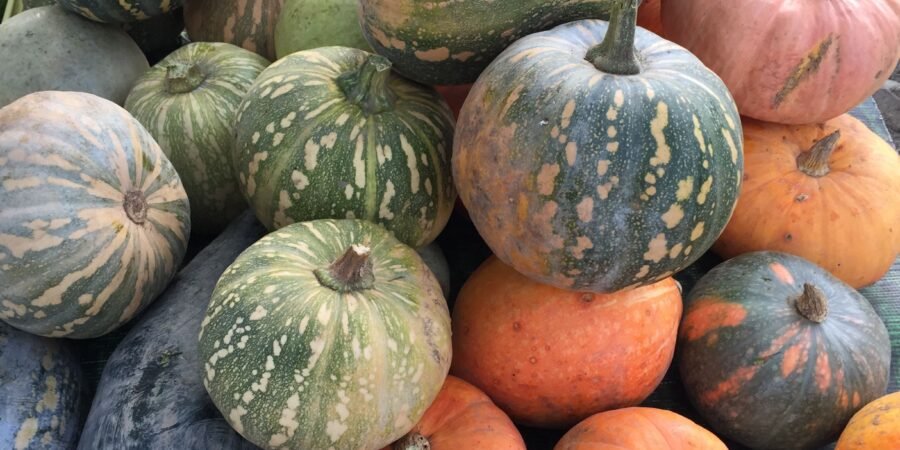
The best seasonal vegetables to buy in autumn in the UK are the ones that practically define the season: butternut squash, kale, beetroot, parsnips, leeks, Brussels sprouts, celeriac and wild mushrooms. Autumn is honestly the best time of year for British veg — everything’s at its peak, prices drop, and the flavours are deeper and sweeter after the first cold nights. Buying seasonally isn’t just a nice idea; it’s how you eat well for less.
What Are The Best Seasonal Vegetables To Buy In Autumn In The UK: My Top Picks
- Butternut squash & pumpkin: look for heavy, firm squash with matte (not shiny) skin. Butternut beats pumpkin for flavour in my opinion — sweeter, nuttier, less watery. Roast in wedges with olive oil and sea salt at 200°C until caramelised at the edges.
- Kale: cavolo nero (the dark, crinkly Tuscan variety) is the connoisseur’s pick, but curly kale is cheaper and everywhere. Strip the leaves from the tough stems, massage with a little oil and salt, and roast for crispy kale chips — or wilt into soups and stews.
- Beetroot: buy them firm with the tops still on if you can. Roast whole in foil until a knife slides through easily, then the skins rub right off. Roasted beetroot with goat’s cheese and walnuts is one of autumn’s great plates.
- Parsnips: the first frosts convert their starches to sugars, so late-autumn parsnips are noticeably sweeter. Roast with honey and thyme, or mash with butter and plenty of black pepper.
- Leeks: the backbone of autumn cooking — leek and potato soup, braised leeks, or the base of a hundred stews. Look for firm, straight leeks with fresh-looking green tops.
- Brussels sprouts: buy them on the stalk if you spot them; they stay fresher. Shred and fry with bacon and chestnuts instead of boiling them into submission — the old overcooked-sprout trauma is entirely avoidable.
- Celeriac: ugly, knobbly, magnificent. Peel thickly, roast whole, or mash with potatoes. It has a gentle celery-parsnip flavour that loves butter and cream.
- Wild mushrooms: ceps, chanterelles and field mushrooms appear in autumn. Buy from a proper greengrocer or [[how-do-i-find-good-uk-farm-shops-for-local-produce|a good farm shop]] and never eat foraged mushrooms unless you’re certain of identification.
Why Buying Autumn Vegetables in Season Saves You Money
It’s simple supply and demand. When British kale is flooding the market in October, it’s cheap. When you’re buying imported asparagus in the same month, you’re paying for air freight. Seasonal veg also just tastes better — a tomato in August versus a tomato in November barely seems like the same species, and the same principle applies across the board.
Practical tips: veg box schemes (Riverford, Oddbox and local equivalents) are brilliant in autumn because the boxes are packed with exactly what’s in season. Farmers’ markets in October and November are at their absolute best. And don’t overlook frozen — frozen peas, spinach and sweetcorn are picked and frozen at peak ripeness and are often more nutritious than ‘fresh’ veg that’s spent a week in transit.
For what’s in season month by month, BBC Good Food’s seasonal calendar is genuinely useful, and the NHS Eat Well guide has solid advice on getting your five-a-day without spending a fortune.
Easy Autumn Vegetable Cooking Ideas
You don’t need complicated recipes. My autumn formula is: roast a tray of mixed veg (squash, parsnip, red onion, beetroot) with oil, salt and rosemary at 200°C for 40 minutes, and you’ve got the base for grain bowls, soups, or a side for roast chicken all week. Kale goes into everything — soups, pasta, grain bowls. Leeks plus potatoes plus stock equals soup in 25 minutes. Autumn cooking rewards simplicity; the ingredients are doing the heavy lifting.
One last thing: autumn is also when to think about slow cooker recipes for winter — all these vegetables are made for long, slow cooking. Buy them now while they’re cheap and at their best.
Autumn Vegetables FAQs
When exactly is autumn vegetable season in the UK?
Roughly September through November. Early autumn (September) still has late-summer veg like tomatoes and courgettes; by late October it’s all roots, brassicas and squash. November is peak season for parsnips, celeriac and Brussels sprouts.
Are frozen vegetables as good as fresh in autumn?
Often better than out-of-season ‘fresh’. Frozen peas, spinach and sweetcorn are picked and frozen within hours at peak ripeness. In autumn, buy British fresh for what’s in season and use frozen for everything else — it’s the best of both worlds.
How do I store squash so it lasts?
Whole winter squash keeps for months in a cool, dark, well-ventilated spot (a garage or cool cupboard, 10–15°C). Don’t refrigerate whole squash — the cold and humidity shorten its life. Once cut, wrap tightly and refrigerate for up to a week.
What’s the difference between kale varieties?
Curly kale is the common, sturdy, slightly bitter one. Cavolo nero (Tuscan kale) is darker, more tender and sweeter — the cook’s favourite. Red Russian kale is the most tender of all. All cook the same way; cavolo nero is worth seeking out.
Eating With the Seasons Beyond Autumn
Autumn is the gateway to seasonal eating because the produce is so obviously good — but the habit pays off year-round. Winter brings forced rhubarb, purple sprouting broccoli and the last of the roots. Spring is asparagus, Jersey Royals and wild garlic (brief, glorious, free if you forage responsibly). Summer is berries, tomatoes and sweetcorn. Each season has its cheap-and-brilliant window, and shopping with it can cut your veg bill noticeably while everything tastes better.
The simplest way to start: pick one seasonal star each month and actually learn it. October: butternut squash — roast it, soup it, stuff it. November: celeriac — the ugliest vegetable hiding the most elegant flavour. By Christmas you’ll be a seasonal cook without ever having tried.
The Bottom Line on Autumn Vegetables
Autumn is the season that converts people to seasonal eating, because the argument makes itself on the plate. A roasted butternut squash in October, sweet parsnips after the first frost, kale at its peak — none of it needs a hard sell. Buy what’s abundant, cook it simply, and let the season do the work.
My suggestion: pick one autumn vegetable you’ve been ignoring — celeriac, perhaps, or cavolo nero — and cook it three ways this month. Roasted, mashed, in a soup. You’ll either discover a new favourite or confirm it’s not for you, and either way you’ll have eaten with the season. That’s the whole philosophy in miniature: pay attention to what’s good now, and eat it while it’s at its best. Winter’s roots are coming, and they’re worth waiting for.