How to Eat More Fibre Without Changing Your Whole Diet
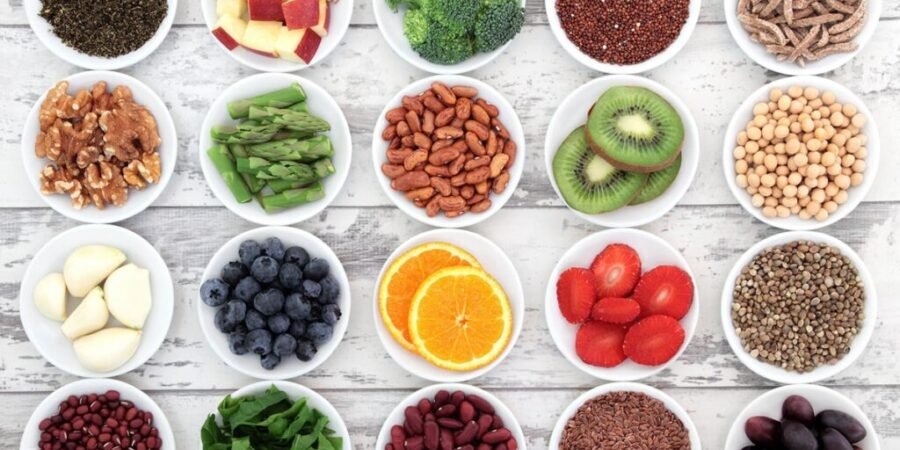
If you’re wondering how you can eat more fibre without changing your whole diet, you’re asking the right question — because the ‘eat more fibre’ advice usually comes with an unspoken demand to become a different person. Most UK adults get about 20g a day; the target is 30g. That 10g gap doesn’t need a lifestyle overhaul. It needs a dozen tiny swaps, most of which you won’t even notice.
How Can I Eat More Fibre Without Changing My Whole Diet: 12 Easy Swaps
- Switch to wholemeal bread (+2g per slice vs white). If the family revolts, go 50/50 bread as a stepping stone.
- Keep skins on potatoes (+2g per potato). Jacket potatoes, skin-on wedges, unpeeled mash — the skin holds a surprising amount of fibre.
- Add lentils to bolognese (+4g per serving). Half the mince, a tin of green lentils. Cheaper, and nobody notices — the texture blends right in.
- Porridge for breakfast (+4g per bowl vs cornflakes). Oats are fibre royalty. Add berries for another 2–3g.
- Snack on nuts, not crisps (+3g per handful of almonds). Keep a jar at your desk.
- Throw beans into everything (+6g per half tin). Kidney beans in chilli, chickpeas in curry, butter beans in stew. Tinned beans are the cheapest fibre on earth.
- Eat the whole fruit, not the juice (+3g per apple vs apple juice). Juicing strips the fibre out — it’s the worst of both worlds.
- Frozen veg counts (+3g per serving of peas). Peas are fibre powerhouses. Chuck a handful into pasta, rice, soup.
- Popcorn instead of crisps (+4g per bowl). Air-popped with salt — a genuinely high-fibre snack.
- Brown rice and wholewheat pasta (+2–3g per serving). The 50/50 versions ease the transition.
- Raspberries for dessert (+6g per 100g). The highest-fibre common fruit. Frozen ones are cheap.
- Hummus and veg sticks (+5g per serving). Chickpeas plus raw veg — double fibre duty.
The Golden Rules of Adding Fibre
- Go gradually: jumping from 15g to 35g overnight causes bloating and regret. Add 5g a week.
- Drink more water: fibre absorbs water — without enough fluid it can actually make digestion worse. A big glass with each meal.
- Spread it through the day: 10g at breakfast, 10g at lunch, 10g at dinner beats 30g in one heroic lentil sitting.
Why bother? Fibre feeds your gut microbiome, steadies blood sugar, keeps you full longer, and is linked to lower risks of heart disease, type 2 diabetes and bowel cancer. It’s one of the least glamorous and most evidence-backed nutrition upgrades there is. The NHS fibre guide has the full breakdown if you want the official numbers.
You don’t need chia seeds, psyllium husk, or a personality transplant. Lentils in the bolognese, skins on the potatoes, porridge in the morning. Small swaps, compounded daily — that’s the whole strategy, and it works.
Fibre FAQs
Will eating more fibre give me bloating?
It can, temporarily, if you increase too fast — the gut needs time to adjust. Add about 5g per week and drink plenty of water, and most people adapt within 2–3 weeks. Persistent problems warrant a chat with your GP, but initial adjustment grumpiness is normal.
Is fibre from supplements as good as from food?
Food first, always — high-fibre foods bring vitamins, minerals and phytonutrients that powders don’t. Supplements (psyllium husk etc.) have their place if diet alone isn’t enough, but they’re a backup, not a strategy. Beans beat capsules.
Do I need different types of fibre?
Ideally yes — soluble fibre (oats, beans, fruit) feeds gut bacteria and helps cholesterol; insoluble fibre (whole grains, veg skins) keeps things moving. Eating a variety of plant foods covers both automatically. Diversity of plants matters more than total grams.
How do I get kids to eat more fibre?
Stealth and fun: lentils hidden in bolognese, popcorn as a snack, berries with yogurt, baked beans on toast (a fibre hero), and wholemeal wraps for lunches. Don’t announce the fibre mission — just serve the food. Kids eat what tastes good.
Fibre and the Bigger Picture
Fibre is having a moment in nutrition science, and deservedly so. The gut microbiome research keeps strengthening the case: diverse plant fibres feed diverse gut bacteria, which influence everything from immunity to mood. The current thinking goes beyond ‘fibre keeps you regular’ to ‘fibre feeds the ecosystem inside you’ — which is a more compelling reason to eat the lentils.
The practical target remains 30g a day, but don’t let perfect be the enemy of good. Going from 15g to 25g delivers most of the benefit. The swaps in this guide aren’t a diet — they’re just slightly smarter versions of what you already eat. Porridge instead of cornflakes, skins on, beans in. Small changes, compounded over years, are what actually move health outcomes.
The Bottom Line on Fibre
The 10g gap between what most of us eat and the 30g target doesn’t need a lifestyle overhaul — it needs a dozen tiny swaps. Lentils in the bolognese, skins on the potatoes, porridge for breakfast, beans in everything. None of them require becoming a different person; all of them compound daily into one of the most evidence-backed nutrition upgrades there is.
Go gradually (5g a week), drink water, and spread it through the day. That’s the whole strategy. Fibre is unglamorous, unfashionable, and quietly one of the most important things in your diet — feeding your gut microbiome, steadying blood sugar, keeping you full. The chia-seed evangelists overcomplicate it. Lentils, oats, beans, veg skins: small swaps, big returns, no personality transplant required.
A word on the psychology, because it matters: don’t frame this as a diet or a health project. Frame it as cooking slightly smarter — the lentils were always going in the bolognese, the skins were always staying on. Identity-based change (‘I’m someone who eats well’) outlasts rule-based change (‘I must hit 30g’) every time. The swaps work because they’re invisible; keep them that way, and the habit maintains itself without willpower.