What is the Best Cheap Fitness Tracker for Beginners in the UK
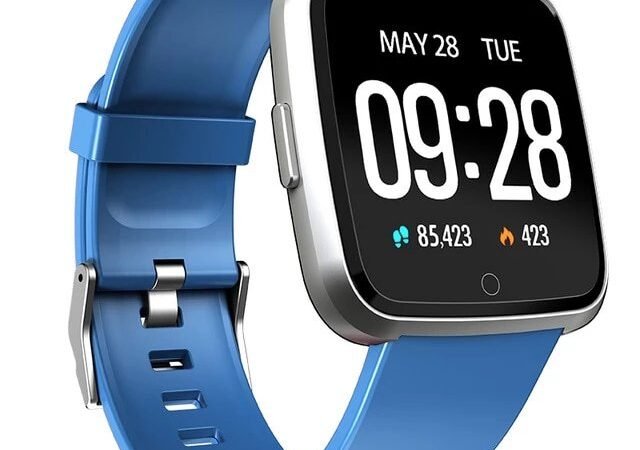
What is the best cheap fitness tracker for beginners in the UK? You want to move more, count steps, maybe track sleep — without spending £300 on a smartwatch you’ll use as a pedometer. I’ve tested budget trackers extensively, and here’s the good news: under £50 buys you a genuinely good fitness tracker in 2026. The bad news: the shelf is full of no-name junk with fake reviews.
Here’s how to buy well.
What Should a Beginner Look for in a Cheap Fitness Tracker?
Prioritise the basics done well: step counting accuracy (all decent trackers manage this), heart-rate monitoring (useful for exercise intensity; optical sensors on budget trackers are fine for steady cardio, less reliable for intervals), sleep tracking (surprisingly good even on cheap devices), battery life (7+ days is the budget-tracker superpower — charge weekly, not daily), and water resistance (5ATM means swim-safe).
Don’t pay for: GPS on your first tracker (phone GPS works fine and phone-tethered GPS is on most budget models anyway), ECG/blood-oxygen medical features (gimmicky at this price), or a big app ecosystem. What matters is comfort (you’ll wear it 24/7 — light and slim wins) and an app that doesn’t annoy you (some budget brands’ apps are ad-riddled; check app reviews, not just device reviews).
One honest note: accuracy is “good enough”, not clinical. Step counts within 10%, heart rate fine for zones, sleep staging approximate. That’s plenty for “am I moving more than last month?” — which is the only question a beginner needs answered. How Do I Connect My Printer to a New Wi-Fi Network
The Best Cheap Fitness Trackers for Beginners in the UK
Xiaomi Smart Band 9 / 10 (~£30–£40): the default answer and has been for years. Superb battery (2–3 weeks), bright AMOLED screen, accurate enough everything, huge strap ecosystem. The Mi Fitness app is decent. If you want the safe buy, this is it — I’ve recommended it to more beginners than any other gadget.
Amazfit Band / Bip series (~£40–£60): Xiaomi’s sibling brand, slightly more watch-like, excellent battery, good app (Zepp). The Bip models look like proper smartwatches for silly money.
Fitbit Inspire 3 (~£70–£90, often discounted): the premium-budget option — best-in-class app and sleep tracking, but Fitbit now pushes a Premium subscription (£8/month) for full features, which sours the value. Fine without Premium, but know what you’re getting.
Avoid: unbranded £15 Amazon trackers with thousands of suspicious five-star reviews — inaccurate sensors, apps that harvest data, dead within months. The £15 saving isn’t worth it. Which? fitness tracker reviews
- Xiaomi Smart Band: the default beginner buy (£30–£40)
- 2–3 week battery life is the budget superpower
- Check the APP reviews, not just the device reviews
- Avoid unbranded £15 trackers — inaccurate and short-lived
- Comfort matters most — you’ll wear it 24/7
Getting Started: Making It Stick
Start embarrassingly small: the tracker’s job in month one is just to show you your baseline — wear it for two weeks without changing anything. Most beginners discover they do 3,000 steps, not the imagined 8,000. That honest number is the gift; now improve it gradually.
Use two features only: step goal (start at baseline +1,000, not 10,000) and sleep tracking. Ignore the rest until these are habits. Turn off the notifications you don’t need — a tracker nagging you hourly gets taken off and drawer’d.
The motivation truth: trackers don’t create motivation; they measure it. The beginners who succeed pair the tracker with one concrete change — a daily walk, stairs instead of lift — and watch the numbers move. The graph going up is the reward loop. And when you’re ready for more (running, heart-rate zones, GPS), you’ll know exactly what to look for in an upgrade — the cheap tracker will have taught you. Is it Worth Buying a Refurbished Laptop from a UK Seller NHS guidance on getting active
What the Data Actually Tells You (and What It Doesn’t)
After a month of tracking, you’ll have graphs — here’s how to read them honestly. Steps: the trend matters, not the day — compare weekly averages, not Tuesday vs Wednesday. Resting heart rate: the most underrated metric — a gradual downward trend over months means improving fitness; sudden sustained jumps can signal illness or overtraining (and occasionally prompt a GP visit).
Sleep staging (REM/deep/light): take with a shovel of salt — wrist trackers estimate this crudely. Sleep duration and consistency are the useful bits: regular bedtimes beat perfect “sleep scores”. What it doesn’t tell you: calories burned (estimates are notoriously inflated — don’t “eat back” exercise calories), stress scores (vague algorithms), and readiness scores (fun, not science). Use the tracker as a trend mirror, not a medical device — direction of travel is the insight; the exact numbers are decoration.
Top Tips at a Glance
- Xiaomi Smart Band (£30–£40) is the beginner sweet spot
- Wear it 2 weeks first to learn your honest baseline
- Battery life of weeks beats smartwatch features
- Start at baseline +1,000 steps, not 10,000
- The tracker measures motivation — pair it with one habit
Frequently Asked Questions
Are cheap fitness trackers accurate?
Good enough for beginners — steps within ~10%, heart rate fine for general zones, sleep staging approximate. Not medical grade, but plenty for tracking trends.
Do I need GPS in a fitness tracker?
Not as a beginner — phone-tethered GPS works for outdoor runs. Built-in GPS matters only when you start running phoneless regularly.
Fitbit vs Xiaomi for beginners?
Xiaomi wins on value (no subscription, great battery). Fitbit wins on app polish and sleep tracking but pushes a paid Premium tier.
Do fitness trackers help people actually get fitter?
They help people who pair them with a concrete plan — the tracker measures, it doesn’t motivate by itself. Studies show trackers plus a goal (daily walks, step targets) outperform trackers alone. The device is the scoreboard, not the coach.
Final Thoughts
For most beginners, the Xiaomi Smart Band at £30–£40 is the answer — accurate enough, weeks of battery, comfortable, no subscription nonsense. Wear it for two weeks to learn your baseline, add a thousand steps, and let the numbers do the motivating. The best fitness tracker is the cheap comfortable one you actually keep wearing. What is the Difference Between Fibre and Full Fibre Broadband in the UK

