How to Make Non Instant Oatmeal: Step-by-Step Guide (2026)
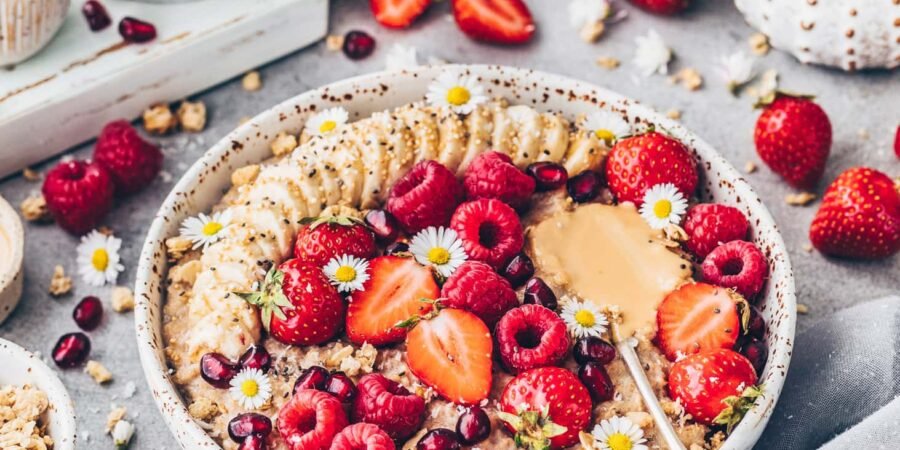
First things first — if you’re in the UK, what Americans call “non instant oatmeal” is what we know as good old-fashioned porridge made with rolled oats. Same thing, different name. And once you’ve had proper porridge made from rolled or steel-cut oats, those sad little instant sachets will never quite hit the same again.
The difference is real. Instant oats are pre-cooked, dried, and rolled paper-thin, which is why they turn to mush in 90 seconds. Non-instant oats — rolled oats or pinhead/steel-cut oats — keep their texture, taste nuttier, and keep you full for hours rather than having you raiding the biscuit tin by 10:30. Here’s how to make them properly.
What Exactly Is “Non Instant” Oatmeal?
It’s simply oats that haven’t been pre-cooked. In UK supermarkets you’ll find them labelled as:
- Rolled oats / porridge oats (Quaker, Scotts, supermarket own-brand) — steamed and flattened. Cook in 5–10 minutes. This is the everyday choice.
- Steel-cut / pinhead oats — the whole oat groat chopped into pieces. Chewier, nuttier, take 20–30 minutes. Worth it at the weekend.
- Jumbo oats — bigger rolled flakes, slightly more texture. Lovely for overnight oats.
A 1kg bag of porridge oats costs around £1–£1.50 at Aldi, Lidl, or Tesco — one of the cheapest breakfasts you can possibly make. A bag lasts weeks.
The Golden Ratio
Memorise this and you’ll never need a recipe again: 1 part oats to 2 parts liquid, plus a pinch of salt. That’s it.
- For one serving: 50g oats + 100ml milk + 100ml water (or 200ml of just milk for extra creaminess)
- Pinch of salt — non-negotiable, it makes an enormous difference
Using half milk, half water is the classic compromise: creamy enough to feel indulgent, light enough for every day. Full milk if you’re feeling fancy. Oat milk works brilliantly too and keeps the whole thing plant-based.
Method 1: Stovetop (The Best Way)
This is how porridge has been made for centuries, and it still gives the best result — thick, creamy, with real texture.
Step 1: Combine everything cold
Put your oats, liquid, and pinch of salt into a saucepan before turning on the heat. Starting cold lets the oats hydrate evenly and prevents lumps.
Step 2: Bring to a gentle simmer
Medium heat, stirring fairly often with a wooden spoon. Don’t walk away — porridge goes from perfect to volcanic eruption in about thirty seconds. You’ll feel it thickening after 3–4 minutes.
Step 3: Simmer 5–7 minutes
Keep it at a lazy bubble, stirring regularly, until it’s thick and creamy but still has a bit of bite. Rolled oats need about 5–7 minutes total. If it gets too thick, splash in a little more milk.
Step 4: Rest for a minute
Take it off the heat and let it sit for 60 seconds. It’ll thicken slightly and cool to an eatable temperature. Then pour into a bowl and add your toppings.
Method 2: Microwave (The Weekday Way)
No shame in this — it’s genuinely good if you do it right:
- Combine 50g oats, 200ml liquid, and a pinch of salt in a large microwave-safe bowl (it bubbles up — use one twice as big as you think you need).
- Microwave on high for 2 minutes.
- Stir well, then microwave for another 1–2 minutes until thick.
- Let it stand for a minute, then top and eat.
The trick is the oversized bowl and the mid-cook stir. Skip either and you’ll be cleaning porridge off the microwave ceiling. Ask me how I know.
Method 3: Overnight Oats (Zero Morning Effort)
For jumbo or rolled oats: mix 50g oats with 100ml milk (or yoghurt) and 50ml water in a jar, add a spoonful of chia seeds if you’re feeling virtuous, and refrigerate overnight. In the morning, top with fruit and eat cold — or warm it through for a minute in the microwave. Brilliant for meal prep; make three jars on Sunday night and breakfast is sorted till Wednesday.
Steel-cut oats don’t work well for standard overnight oats (too hard), though some people swear by a 50/50 mix. Your call.
Topping Ideas Worth Getting Up For
Plain porridge is a blank canvas. Some combinations that never miss:
- The classic: Brown sugar + cold milk poured over the top. Simple, perfect.
- Berry compote: Frozen mixed berries microwaved for 2 minutes with a spoonful of honey.
- Apple pie: Diced apple, cinnamon, a drizzle of honey, and a few chopped walnuts.
- Peanut butter banana: A big spoonful of peanut butter swirled through + sliced banana. Keeps you full till lunch, guaranteed.
- Savoury: Sounds odd, tastes great — a soft poached egg, soy sauce, and spring onions. Trust me on this one.
BBC Good Food has dozens more porridge variations if you want to keep things interesting through the week.
Common Mistakes to Avoid
- Skipping the salt. Unsalted porridge tastes flat and sad. A pinch transforms it.
- Too much heat. Aggressive boiling makes it gluey. Gentle simmer, always.
- Wrong bowl size in the microwave. Porridge lava is no joke.
- Adding cold milk-haters’ toppings too early. Add honey, sugar, or fruit after cooking so the flavours stay bright.
Porridge is also a genuinely smart choice if you’re watching your joint health — keeping weight in a healthy range takes real pressure off knees and hips, and a filling fibre-rich breakfast is one of the easiest ways to avoid mid-morning snacking. Pair it with a caffeine-free herbal brew instead of reaching for an energy drink, and your mornings will thank you.
Non Instant Oatmeal FAQs
Is porridge made from rolled oats healthier than instant sachets?
Yes, modestly. Rolled oats have a lower glycaemic index, more texture (so you eat slower), and no added sugars or flavourings. The NHS Eatwell Guide counts porridge as a good wholegrain choice either way, but plain rolled oats give you full control over what goes in.
Can I make porridge with just water?
Absolutely — that’s the traditional Scottish way, in fact. It’s lighter and lets the oat flavour shine. Add your milk or cream cold on top afterwards, which gives a lovely hot-cold contrast.
How long do rolled oats take vs steel-cut?
Rolled oats: 5–7 minutes on the hob. Steel-cut (pinhead) oats: 20–30 minutes, with more liquid (about 1:3 ratio). Steel-cut are chewier and nuttier — a weekend treat rather than a weekday rush.
Why is my porridge lumpy?
Usually because the oats hit hot liquid too fast, or weren’t stirred enough early on. Starting everything cold and stirring for the first couple of minutes fixes it. A few lumps never hurt anyone, though.
The Bottom Line
Non-instant oatmeal — proper porridge — takes five extra minutes and tastes twice as good as the instant stuff. Learn the 1:2 ratio, don’t skip the salt, and experiment with toppings until you find your signature bowl. At around 15p a serving, it’s also just about the best-value breakfast in Britain.
Related News

How to Cook Turkey Bacon: Step-by-Step Guide (2026)
Let’s address the elephant in the room straight away: turkey bacon is not bacon. IfRead More

How Long to Smoke a Turkey at 275? Complete Answer
The short answer: at 275°F (135°C), a turkey takes roughly 25–30 minutes per pound, soRead More