How to Add Flavor to Coffee: Step-by-Step Guide (2026)
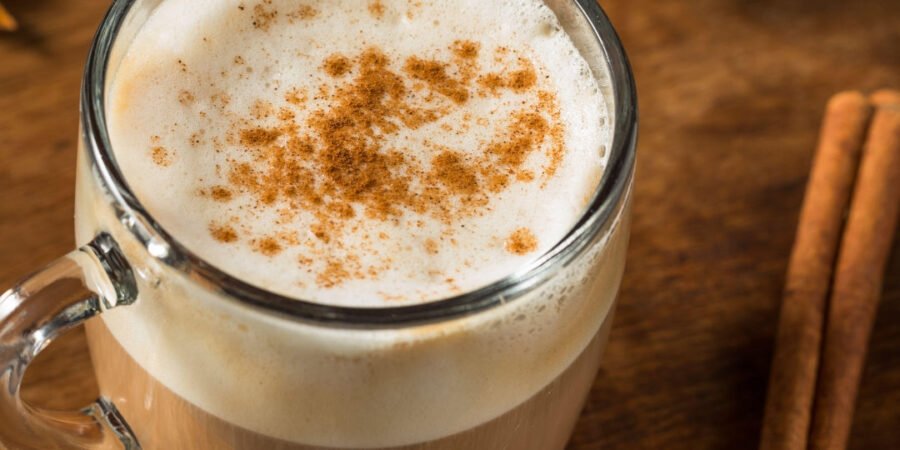
So Your Coffee Tastes a Bit… Boring?
We’ve all been there. You brew a cup expecting café magic and get something bitter and flat instead. The good news: adding flavour to coffee is one of the easiest kitchen upgrades there is — most of the best tricks cost pennies and take seconds. I’ve spent years tinkering with my morning brew, and some favourite discoveries were total accidents (more on the salt thing later).
This guide covers every method that actually works — syrups, spices, extracts, citrus zest and milk swaps — with real UK brands and prices for your next Tesco run.
The Quickest Win: Flavoured Syrups
If you’ve ever ordered a vanilla latte at a coffee shop, you’ve had flavoured syrup — sugar dissolved in water with flavouring, and a pump or two transforms an ordinary cup.
What to buy in the UK:
- Monin — the café standard. A 250ml bottle runs about £5–6 and lasts ages. Vanilla, caramel, hazelnut and salted caramel are the crowd-pleasers.
- Tesco or Sainsbury’s own-brand coffee syrups — around £2–2.50 for 250ml. Totally serviceable, especially vanilla and caramel.
- Skinny Food Co — sugar-free syrups at roughly £5 for 425ml. Popular with people cutting calories.
How to use them: add 1–2 pumps (a tablespoon) to your cup before pouring the coffee over, then stir — it dissolves instead of sinking.
Sugar-free options: Skinny Food Co is the obvious UK pick, and most supermarkets now stock sugar-free ranges sweetened with sucralose or stevia. Some have a slight aftertaste — start with less than you think you need.
Spices: The Zero-Cost Flavour Hack
This is my favourite category because your spice rack is already sitting there. Spices add warmth and complexity without sweetness — perfect if you don’t want a dessert drink.
Cinnamon
The classic. Add a pinch of ground cinnamon to your coffee grounds before brewing, or stir a quarter-teaspoon into a finished cup. It’s brilliant in lattes, and a whole cinnamon stick makes a lovely stirrer.
Cardamom
If you’ve ever had Turkish or Arabic-style coffee, you know this one. Crack open a green cardamom pod (one per cup) and drop the seeds into your grounds. Floral, almost citrusy — gorgeous with dark roasts.
Nutmeg
A tiny grating of fresh nutmeg over a milky coffee is pure comfort. Go easy — it’s potent, and too much turns soapy.
Other spices worth a try
- Ginger — a slice of fresh ginger steeped in the cup. Warming without sweetness.
- Cocoa powder — a teaspoon in the cup before coffee gives you a mocha. Use proper cocoa, not hot chocolate mix.
- Cayenne — a tiny pinch adds a slow warmth at the back of your throat. Aztec-style.
- Pumpkin spice mix — cinnamon, nutmeg, ginger, cloves. DIY it or buy a supermarket blend for around £2 in autumn.
Extracts and Citrus Zest
Vanilla extract is the sleeper hit of home coffee flavouring. Half a teaspoon per cup gives rich, rounded sweetness with no sugar. Almond extract works too but is intense — a few drops is plenty. Peppermint extract is the move for a festive mocha.
Citrus zest sounds unusual until you try it. A thin strip of orange or lemon peel in black coffee adds brightness that cuts through bitterness — a traditional Italian habit. Just use the coloured outer peel, not the bitter white pith.
The Salt Trick (Trust Me)
A tiny pinch of salt in your coffee grounds — less than an eighth of a teaspoon — cuts bitterness dramatically. Salt suppresses our perception of bitterness. I was deeply sceptical until I tried it on a cheap, over-roasted bag of beans, and it genuinely rescued them. You won’t taste the salt; the coffee just tastes smoother.
Milk, Cream, and the Alternatives
Changing your milk can change your coffee more than any syrup. Full-fat milk adds natural sweetness and body that skimmed simply can’t. If you’re dairy-free, oat milk is the UK standout — creamy and naturally sweet without overpowering the coffee.
- Oat milk — creamy, naturally sweet, the best all-rounder. Oatly Barista Edition (about £1.80–2 a litre) steams and froths almost like dairy; Tesco and Aldi barista oat milks are around £1.10.
- Coconut milk — adds a tropical note; carton versions beat tinned for coffee.
- Almond milk — lighter, subtly nutty. Warm gently — it can curdle in very hot, acidic coffee.
- Condensed milk — the Vietnamese coffee route. A tablespoon in strong black coffee is outrageously good as an occasional treat.
Flavoured Beans vs Additives: Which Is Better?
You can buy pre-flavoured beans (vanilla, hazelnut, chocolate orange) from roasters and some supermarkets. The honest trade-off: flavoured beans are convenient but one-dimensional — you’re locked into one flavour, and the base coffee quality is sometimes questionable. Additives (syrups, spices, extracts) cost less overall, let you adjust strength cup by cup, and work with whatever beans you like. For most people, good beans plus your own flavourings wins.
One Thing Worth Knowing
A word of caution: coffee is one of the most common heartburn triggers, and loading it with extra flavourings — especially mint, chocolate, or citrus — can make things worse if you’re prone to it. If you regularly get that burning sensation after your morning cup, read up on what heartburn feels like. Nobody’s saying give up the good stuff — just worth knowing the connection.
Frequently Asked Questions
What’s the healthiest way to add flavour to coffee?
Spices (cinnamon, cardamom, nutmeg) and citrus zest add flavour with essentially zero calories. A pinch of salt and vanilla extract are also calorie-free. For sweetness without sugar, Skinny Food Co syrups or a few drops of liquid stevia do the job.
Can I add flavour to instant coffee?
Absolutely. Syrups, spices, extracts and flavoured milks all work just as well in instant — arguably better, since instant is a blanker canvas. Stir ground cinnamon or cocoa directly into the granules.
How do I make my coffee taste like a café vanilla latte at home?
Strong coffee or espresso, one to two tablespoons of vanilla syrup (Monin or a supermarket own-brand), and hot milk — roughly a 1:3 coffee-to-milk ratio. Froth the milk if you can. That’s honestly 90% of what the café does.
Does adding cinnamon to coffee have any benefits?
Beyond tasting great, cinnamon may soften coffee’s bitterness and it contains antioxidants. Small studies suggest it can help with blood sugar regulation — though don’t treat your latte as medicine.
Why does my flavoured coffee taste artificial?
Usually too much syrup, or a cheap one with harsh flavourings. Use less than you think you need, add it before the coffee, and consider extracts or real spices for a more natural taste.
Bottom Line
You don’t need much to make coffee taste brilliant at home. Start with what’s already in your kitchen — a pinch of cinnamon, a strip of orange peel, a whisper of salt — and only buy syrups if you want the full café experience. My daily brew is strong black coffee with cardamom in the grounds and a drop of vanilla extract, and I’d put it up against most high street coffees. Experiment, taste, adjust. That’s the whole fun of it.
Related News

How to Cook Turkey Bacon: Step-by-Step Guide (2026)
Let’s address the elephant in the room straight away: turkey bacon is not bacon. IfRead More

How Long to Smoke a Turkey at 275? Complete Answer
The short answer: at 275°F (135°C), a turkey takes roughly 25–30 minutes per pound, soRead More