How Long does Hydroxyzine Stay in Your System? Complete Answer
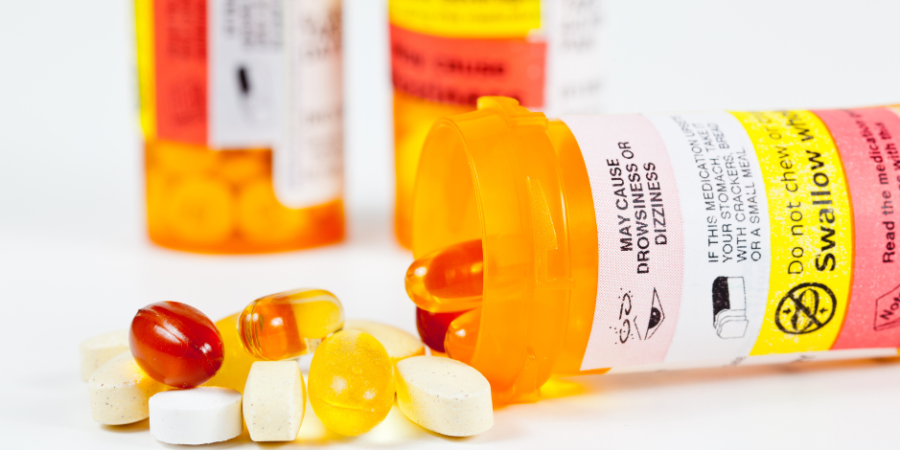
Hydroxyzine is one of those medicines people take for a few different reasons — anxiety, itching, trouble sleeping, sometimes before a procedure to take the edge off. And sooner or later, most people wonder the same thing: I took it last night, so how long is it actually hanging around in my body? Whether you’re worried about feeling drowsy at work, an upcoming drug test, or just curious, here’s the complete answer.
The quick answer
Hydroxyzine’s half-life is around 20 hours in healthy adults — roughly 7 hours in children and up to 29 hours in older adults. In practical terms, a single dose is mostly out of your system within 3 to 5 days, though the drowsy, fuzzy feeling usually wears off well before that.
Half-life is just pharmacology-speak for how long it takes your body to clear half the drug. After about five half-lives (around 4 days for hydroxyzine), there’s so little left it’s considered clinically gone.
How long it’s detectable by test
Here’s where it gets interesting: hydroxyzine isn’t one of the drugs standard workplace or roadside drug tests look for. It’s an antihistamine, not a controlled substance in the UK, so it won’t show up on a typical 5-panel screen testing for cannabis, cocaine, opiates, amphetamines or PCP.
- Urine: detectable for roughly 2–4 days after the last dose, if anyone were specifically testing for it.
- Blood: around 24–48 hours.
- Hair: theoretically up to 90 days, as with most drugs — but nobody hair-tests for hydroxyzine in practice.
One wrinkle worth knowing: hydroxyzine’s main breakdown product, cetirizine (yes, the hay-fever tablet), can occasionally trigger a false positive on certain drug screens. If you’re facing a test and you take hydroxyzine on prescription, declare it upfront — a quick note from your GP surgery sorts out any confusion.
What makes it linger longer
That 3-to-5-day figure is an average. Several things can stretch it out:
- Age. Older adults clear it more slowly — hence the 29-hour half-life — so it can take a week or more to fully leave the system.
- Kidney or liver problems. These organs do the clearing, so if they’re underperforming, everything slows down.
- Dose and duration. One 25mg tablet before bed clears far faster than weeks of regular 50mg doses, which build up a steadier level in the body.
- Other medicines. Drugs that slow the liver’s CYP3A4/5 enzymes (some antibiotics, antifungals and grapefruit juice, of all things) can delay clearance. Alcohol slows things down too — and mixing the two is a bad idea anyway.
- Body composition. Hydroxyzine distributes widely into body tissues, so it can take a little longer to fully wash out of larger bodies.
When will the side effects wear off?
This is usually what people actually mean by “how long does it stay in my system.” The main side effects — drowsiness, dry mouth, a slightly fuzzy head — are strongest in the first 6–12 hours and typically fade within a day or two of stopping, even though traces of the drug linger longer.
A couple of practical points:
- Don’t drive the morning after until you know how it affects you. Plenty of people feel fine; plenty don’t. The NHS hydroxyzine page flags drowsiness as a key warning, and it’s worth taking seriously.
- Dry mouth is common. Antihistamines dry everything out, and a parched, scratchy throat in the morning is a classic hydroxyzine hangover. Our step-by-step guide to soothing a sore throat has some simple fixes if yours feels raw.
- Nausea can happen too, especially on higher doses. If stomach discomfort turns into that familiar rising burn, you might find our explainer on how heartburn feels useful for telling the two apart.
How to help your body clear it
There’s no magic detox — your liver does the work on its own schedule. But you can avoid slowing it down:
- Stay hydrated. Water won’t flush it out dramatically faster, but dehydration makes every side effect feel worse.
- Skip alcohol while it’s in your system — it deepens the drowsiness and slows clearance.
- Don’t double up on sedating medicines. Other antihistamines, sleep aids and some cold remedies stack on top of hydroxyzine’s drowsiness.
- Give it time before important days. If you’ve got a driving test, an exam or a safety-critical shift, stopping a couple of days ahead is the sensible move — and worth discussing with your prescriber first.
Whatever you do, don’t stop a regular prescription suddenly without talking to your GP or pharmacist. Hydroxyzine isn’t addictive in the classic sense, but rebound anxiety or itching can flare if you quit cold turkey.
Frequently asked questions
Will hydroxyzine show up on a drug test?
On a standard employment drug screen, no — it’s not one of the substances tested for. Specialised lab tests could detect it for 2–4 days in urine, but this almost never happens outside of specific medical or legal situations. Always declare prescribed medicines before any test.
How long does the drowsiness last?
Most people feel the sleepiness peak within a couple of hours of taking it and largely gone by the next day. If you still feel groggy 48 hours after a single dose, that’s unusual — mention it to your pharmacist or GP.
Can I take hydroxyzine every day?
Some people do, on a doctor’s direction, for ongoing anxiety or itching. With daily use the drug reaches a steady level in your body, so clearance after stopping takes a little longer — closer to a full week. Long-term use should always be reviewed regularly with your prescriber.
Is it safe to drive the next morning?
It depends on the person and the dose. The official advice is to avoid driving or operating machinery until you know how hydroxyzine affects you, because it can impair reaction times even when you feel awake. When in doubt, don’t risk it.
The bottom line
Hydroxyzine stays in your system for about 3 to 5 days after a single dose — longer if you’re older, take it regularly, or your kidneys and liver are sluggish. The noticeable effects like drowsiness and dry mouth fade much sooner, usually within a day or two. It won’t appear on standard drug tests, but declare it anyway if you’re ever tested. And as with any medicine that affects how alert you feel, the golden rule is simple: see how it treats you before you trust yourself behind the wheel.
This article is for information only and isn’t medical advice — if you have concerns about hydroxyzine or any prescribed medicine, speak to your GP or pharmacist.
Related News

How to Soothe Period Cramps: Step-by-Step Guide (2026)
It’s 7am, your alarm’s going off, and your lower abdomen feels like it’s being wrungRead More

How Long can Migraines Last? Complete Answer
If you’re reading this with one eye squinted against the screen brightness, I feel forRead More