How do You Soften Butter: What You Need to Know
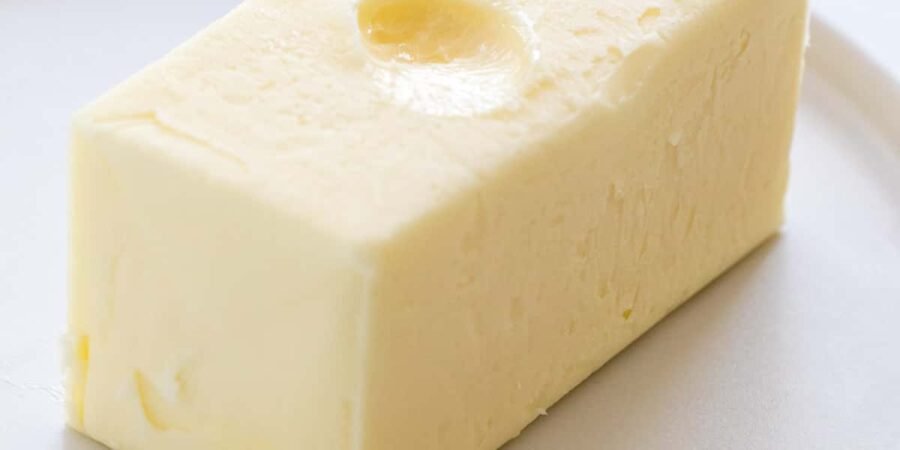
You’re halfway through a cake recipe, everything’s weighed out, and then you hit the line: “125g softened butter.” You pull the block from the fridge and it’s hard enough to use as a doorstop. We’ve all been there. So how do you soften butter properly — and more importantly, how do you do it without accidentally melting it into a greasy puddle?
Here’s everything you need to know, from the patient method to the “guests arriving in 20 minutes” emergency fixes.
What “Softened Butter” Actually Means
First, let’s define the target. Properly softened butter:
- Holds its shape but yields easily to gentle finger pressure — your finger should leave an indent without sinking straight through
- Is around 18–20°C — cool room temperature, not warm
- Is not shiny, oily, or slumping — that’s melted, and it behaves completely differently in baking
Why does it matter? In baking, softened butter creams with sugar to trap tiny air bubbles — that’s what gives cakes their light, tender crumb. Melted butter can’t trap air, so you get dense, greasy results. For a proper Victoria sponge, this distinction is everything.
Method 1: The Counter Method (Best Results, Needs Planning)
Cut the butter into tablespoon-sized chunks, spread them on a plate, and leave at room temperature for 30–60 minutes. Smaller pieces soften much faster than a whole block — simple physics, more surface area.
In a cool British kitchen (let’s be honest, most of ours), allow the full hour in winter. In summer, check after 20 minutes — butter goes from perfect to melty alarmingly fast in a heatwave.
This is the gold standard because it’s gentle and even. If you remember to take the butter out when you start preheating the oven, you’re usually sorted.
Method 2: The Grater Trick (Fast and Brilliant)
Grate the cold butter on the coarse side of a box grater. The thin shreds soften in 5–10 minutes at room temperature. This is my go-to when I’ve forgotten to plan ahead — which is, frankly, most of the time.
Tip: if the butter is too hard to grate comfortably, run the grater under hot water for a few seconds first (then dry it). And grate onto baking parchment for easy transfer.
Method 3: The Warm Glass Trick
Fill a glass with hot water, let it sit a minute, pour the water out, then invert the warm glass over your butter chunks. The trapped radiant heat softens them in about 10–15 minutes. It feels like a magic trick and it genuinely works.
Method 4: Rolling Pin (Therapeutic)
Put the butter between two sheets of baking parchment and bash it flat with a rolling pin. The mechanical action plus the increased surface area softens it quickly — about 5 minutes of intermittent bashing and folding. Also excellent stress relief.
Method 5: The Microwave (Proceed With Caution)
The microwave is the fastest route to ruined butter if you’re careless — but it works if you’re careful:
- Cut butter into chunks
- Microwave at low power (defrost setting) for 5–10 seconds at a time
- Check and rotate between bursts
- Stop before it looks done — residual heat finishes the job
Full power for 30 seconds gives you a sad little butter soup. Low and slow wins. Honestly? The grater method is faster and far less risky.
What NOT to Do
- Don’t melt it and call it softened. Melted butter makes greasy, dense cakes and rock-hard cookies that spread too much. Different ingredient, effectively.
- Don’t leave it out all day in a warm kitchen — butter can go rancid, and in summer heat it just melts.
- Don’t use the “palm of your hand” method for baking quantities — your body heat melts the outside while the centre stays hard. Fine for buttering toast, useless for creaming.
How Long Can Butter Sit Out?
For the softening window (an hour or two), totally fine. Salted butter is quite resistant to spoilage at room temperature thanks to the salt and low water content — many people keep a butter dish out permanently. Unsalted butter is a bit more perishable; the Food Standards Agency advises keeping dairy properly refrigerated, so use common sense: a couple of hours for baking prep is fine, all week on a sunny windowsill is not.
Softening Butter FAQs
Can I use melted butter instead of softened in cake?
You can, but the texture will be different — denser and often greasier. Some recipes (brownies, blondies) are designed for melted butter and are delicious. But if the recipe says softened, it means it.
How do you soften butter quickly for toast?
The grater trick works brilliantly, or just shave thin slices with a knife — thin slices warm up in a minute or two. A butter keeper (French butter dish) that stores butter at room temp under water also means never waiting.
Does softened butter mean room temperature?
Essentially, yes — but “room temperature” in a British winter kitchen might be 16°C, which is a touch cool. The finger-indent test is more reliable than any thermometer: yields to pressure, holds its shape, not shiny.
Can you soften butter in the microwave without melting it?
Yes, with discipline: defrost/low power, 5–10 second bursts, checking constantly. But it’s the highest-risk method — the grater or warm-glass tricks are more foolproof.
The Bottom Line
For perfect softened butter, cut it small and give it 30–60 minutes on the counter — or grate it for a 10-minute fix. Keep it cool-room-temp, never melty, and your bakes will thank you. And next time, take the butter out before you start weighing the flour. Future you says thanks.
Related News
How do You Soften Butter: What You Need to Know
You’re halfway through a cake recipe, everything’s weighed out, and then you hit the line:Read More

Overnight Oats Good for How Long: What You Need to Know
Overnight oats are the ultimate lazy genius breakfast: five minutes of effort the night before,Read More