How to Make a Victoria Sponge Cake From Scratch
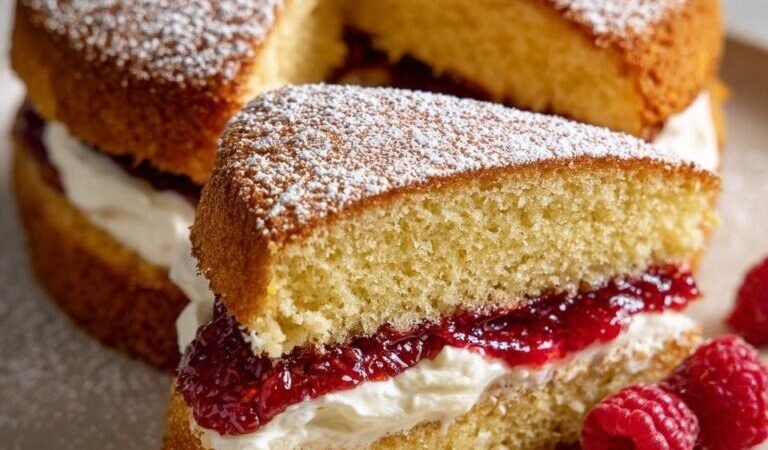
The Victoria sponge is Britain’s most beloved cake — deceptively simple, ruthlessly revealing of technique. If you’re asking how do I make a victoria sponge cake from scratch, here’s the reassuring truth: it’s one of the easiest cakes to get right, because the classic method is practically foolproof.
Named for Queen Victoria (who reportedly enjoyed a slice with her afternoon tea), it’s just butter, sugar, eggs, flour, jam and cream. Here’s the method, the science, and how to avoid the classic pitfalls.
How Do I Make a Victoria Sponge Cake From Scratch? The Recipe
Ingredients (makes one 20cm sandwich): 225g softened butter (or baking spread), 225g caster sugar, 4 large eggs (room temperature), 225g self-raising flour, 2 tsp baking powder, pinch of salt. Filling: 150ml double cream (whipped), 4–5 tbsp good raspberry or strawberry jam. Dusting of icing sugar.
The all-in-one method:
- Heat oven to 180°C (fan 160°C). Grease and line two 20cm sandwich tins.
- Put everything in a bowl and beat 2–3 minutes until smooth, pale and creamy. (Yes, really — the all-in-one method works because modern baking spreads and self-raising flour are forgiving.)
- Divide between tins, level the tops, bake 20–25 minutes until golden, springy, and shrinking slightly from the tin edges.
- Cool 5 minutes in tins, then turn out onto a wire rack. Cool completely before filling — warm cake melts the cream.
- Sandwich with jam on one layer, whipped cream on the other (or jam then cream — the great debate), dust with icing sugar.
Ingredient Choices That Matter
- Butter vs baking spread: butter tastes better; baking spread (Stork) gives a lighter, more reliable rise. For a special occasion: butter. For guaranteed success: Stork. Many bakers use half and half.
- Room-temperature eggs: cold eggs curdle the batter. If you forgot, sit them in warm water for 10 minutes.
- Caster sugar, not granulated: finer crystals cream better and give a finer crumb. In a pinch, blitz granulated in a food processor.
- Weigh the eggs: the traditional “weigh the eggs, match everything else” method guarantees perfect proportions whatever size your eggs are. Four large eggs ≈ 225–235g.
- Jam quality matters: this cake is 50% jam by flavour impact. Use proper jam with high fruit content — Bonne Maman or a good farm-shop raspberry. Cheap jam tastes of sugar and regret.
Troubleshooting: What Went Wrong?
- Sunk in the middle: oven too hot, door opened too early, or underbaked. Test with a skewer — it should come out clean.
- Dense and heavy: overmixed after adding flour (develops gluten), or cold ingredients. Mix just until smooth.
- Dry: overbaked by even 5 minutes. Start checking at 20 minutes — every oven lies slightly.
- Peaked/cracked top: oven too hot. An oven thermometer (£8) reveals the truth about your oven’s actual temperature.
- Stuck to the tin: inadequate greasing/lining. Baking parchment circles are non-negotiable.
Variations Worth Trying
- Lemon Victoria: zest of 2 lemons in the batter, lemon curd instead of jam. Sunshine in cake form.
- Chocolate: replace 25g flour with cocoa powder, fill with chocolate buttercream. Technically not a Victoria sponge — delicious anyway.
- Coffee and walnut: the other British classic — coffee essence in the sponge, coffee buttercream filling, walnut halves on top.
- Mini Victorias: bake in a muffin tin (12–15 mins) for afternoon-tea portions. Fill individually — adorable and practical.
- Gluten-free: swap in a good GF self-raising blend + 1 tsp xanthan gum. The all-in-one method is forgiving here too.
The BBC Good Food Victoria sponge is the canonical recipe if you want gram-perfect measurements — and their video shows the batter consistency to aim for.
Serving and Storing
A Victoria sponge is at its absolute best the day it’s made — the crumb is tender, the cream fresh. It keeps 2 days in an airtight container in a cool place (not the fridge — cold ruins the crumb texture; the cream will survive a day at cool room temperature).
Unfilled sponges freeze brilliantly (wrap well, up to 3 months) — fill after defrosting for a “fresh” cake with minimal effort. Serve in generous wedges with proper tea. This is not a cake for restraint.
Cake Baking: More Tips
- Room temperature ingredients. Cold eggs curdle batter; cold butter won’t cream. Take everything out an hour before — or warm eggs in water for 10 minutes.
- Weigh the eggs. The traditional method — match butter, sugar and flour to the egg weight — guarantees perfect proportions whatever size your eggs are.
- Don’t overmix. Once flour’s in, mix just until combined. Overmixing develops gluten — great for bread, terrible for cake. Tough, dense, tunneled crumb is the result.
- Oven thermometer. £8 that reveals whether your oven actually hits the temperature it claims. Most don’t — and 15°C off changes everything in baking.
- Cool completely before filling. Warm cake + cream = melted mess. Patience here is the difference between professional and puddle.
- Freeze unfilled sponges. Wrapped well, they keep 3 months. Defrost and fill for “fresh” cake with 10 minutes’ effort — the entertainer’s secret.
Quick Tips
Weigh the eggs and match everything else — the traditional method guarantees perfect proportions whatever size your eggs are. Four large eggs ≈ 225–235g; scale butter, sugar and flour to match.
- Room-temperature ingredients — cold eggs curdle batter. Warm them in water for 10 minutes if you forgot.
- Don’t open the oven early — 20 minutes minimum before peeking. Temperature drops collapse rising cakes.
- Cool fully before filling — warm cake melts cream. Patience here is the difference between professional and puddle.
You Might Also Like
- How to Get Kids to Eat More Vegetables Without a Fight
- Best One-Pot Meals for Busy Weeknights
- How to Store Fresh Herbs So They Last Longer
Simple, Perfect, Classic
Making a Victoria sponge from scratch means: equal weights of butter, sugar, eggs and flour, the all-in-one method, 180°C for 20–25 minutes, and good jam. Room-temperature ingredients, don’t open the oven early, cool fully before filling. It’s Britain’s favourite cake for a reason — simple ingredients, perfectly balanced, impossible to beat fresh.