How to Save Money on Your Weekly Food Shop in the UK: 2026 Guide
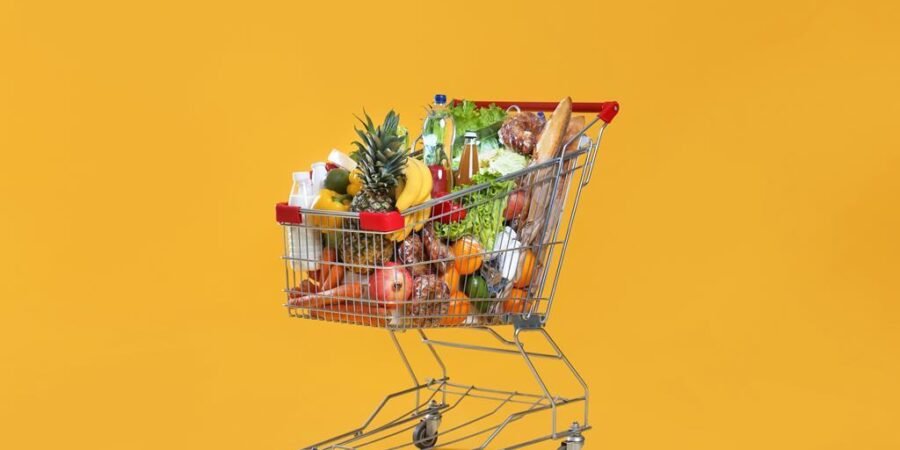
The weekly food shop has become one of the most stressful lines in the household budget. Even shopping carefully, it’s easy to watch the till climb past what you expected — and wonder where it all went. Learning how to save money on your weekly food shop in the UK isn’t about extreme couponing or eating beans on toast; it’s about a handful of habits that compound.
I’ve cut my own weekly shop by around a third over the past year without eating any worse — arguably better. Here’s exactly what worked, starting with the change that made the biggest difference.
Plan Meals Before You Shop (The 30% Saver)
Meal planning sounds tedious, but it’s the single biggest lever. When I started planning five dinners a week before shopping, my bill dropped by nearly 30% in the first month. The reason is simple: most food waste comes from buying ingredients with no plan, then throwing them away.
You don’t need a colour-coded spreadsheet. Just decide your dinners for the week, check what you already have, and write a list of what’s missing. Build in one ‘use-it-up’ meal — a stir-fry, frittata or soup — for whatever’s left at the end of the week. Apps like Too Good To Go can also help you grab surplus food cheaply, but the plan comes first.
How Can I Save Money on My Weekly Food Shop in the UK?
Every supermarket marks down items nearing their sell-by date, usually in the evening — and the discounts are serious, often 50-75% off. Meat, fish, bread and ready meals from the reduced section can be frozen the same day and eaten later with zero quality loss.
Learn your local store’s markdown rhythm. Many start reductions mid-afternoon and do a final cut an hour or so before closing. It varies by store, so ask a staff member — they’re usually happy to tell you. A chest freezer, even a small one, turns yellow-sticker shopping from a nice bonus into a genuine strategy.
- Own-brand over brands: supermarket own-label basics are often made in the same factories as the big names. Try blind taste tests — you’ll be surprised how rarely the brand wins.
- Buy frozen veg and fruit: cheaper, zero waste, and nutritionally equal to fresh. Frozen spinach, peas, berries and peppers are staples in my kitchen.
- Check the world food aisle: spices, lentils, rice and tinned tomatoes are often dramatically cheaper there than in the main aisles.
- Compare per 100g, not per pack: the shelf-edge price per unit is the only honest number in the supermarket. Bigger isn’t always cheaper.
Rethink Where You Shop
Loyalty to one supermarket is costing you money. Aldi and Lidl consistently come out cheapest in independent price comparisons, and their quality — especially on fresh produce, dairy and meat — has improved enormously. I do my main shop at one of the discounters and top up at a bigger supermarket only for specific items.
Don’t overlook markets either. A lot of towns still have brilliant fruit and veg markets where a fiver buys what would cost triple in a supermarket, especially near closing time. And if you have the space, a veg box scheme or even growing a few herbs on a windowsill trims the edges further.
Cut Waste and the Bill Follows
The average UK household throws away a shocking amount of edible food each year — effectively setting fire to part of the food budget. The fixes are boring but effective: store food properly (herbs in water, bread in the freezer, milk at the back of the fridge where it’s coldest), understand the difference between ‘use by’ and ‘best before’, and actually eat your leftovers.
I started treating leftovers as a feature rather than a failure — deliberately cooking extra for next-day lunches. It saves the cost of buying lunch out, which is where the real money leaks for a lot of people. A packed lunch five days a week can save over £1,000 a year compared to buying out.
The Mindset Shifts That Save the Most
Beyond tactics, the biggest savings come from how you think about food shopping. Shift one: treat the supermarket as a place that profits from your impulses, and shop accordingly — list in hand, headphones in, no browsing. The average shopper makes most buying decisions in-store, which is exactly what the layout designers want. Decide at home, execute in-store, and the bill shrinks without any willpower.
Shift two: reframe ‘cheap food’ as ‘smart food’ rather than deprivation. Some of the world’s great cuisines — Indian dals, Italian peasant pastas, Middle Eastern mezze — are built on inexpensive ingredients cooked brilliantly. Learning five or six genuinely delicious budget meals (a proper dahl, a slow ragu, a chickpea curry, a hearty soup, a frittata, a bean chilli) transforms cheap eating from endurance into pleasure. The goal was never to spend less on worse food; it’s to spend less on food that’s just as good.
- Never shop hungry: the oldest advice because it’s the truest — hunger adds roughly 15-20% to the bill in impulse buys.
- Learn your store’s cycle: many items rotate on predictable discount cycles. Stock up on non-perishables when your staples hit their low price.
- Question every ‘deal’: BOGOF on something you’d never buy isn’t a saving. Multi-buys only save money on things you’d buy anyway before they expire.
- Cook once, eat twice: deliberate leftovers (extra rice, extra sauce, roast chicken becoming soup) are the highest-ROI cooking habit there is.
- Grow the easy stuff: herbs, salad leaves and chillies on a windowsill cost pennies and get used daily — the only gardening with a real payback.
- Audit monthly: one receipt review a month shows where the money actually went — usually 2-3 categories doing most of the damage.
Saving on the food shop is ultimately about attention, not austerity. The households that spend least aren’t eating worse — they’re planning better, wasting less, and ignoring the supermarket’s attempts to upsell them. Put your attention on the system for a month, and the savings become automatic.
The Takeaway
Saving money on the weekly shop isn’t one big trick — it’s meal planning, yellow stickers, own-brand swaps and wasting less, stacked together. Start with the meal plan this week; it’s the habit everything else hangs off. Your future self, staring at a sensibly-sized receipt, will thank you.
Keep reading: Best Way to Plan Meals for a Busy Family (Without the Stress) · Best Free UK Apps for Managing Money in 2026 · How to Reduce Your Household Energy Bills This Winter: 2026 Guide


[…] for two years, cycling instead of the Tube, cooking over Deliveroo — unglamorous, effective. Our food shop savings guide and budget guide attack the margins […]
[…] regardless of retailer, paying small amounts per receipt plus bonuses for specific products. Our weekly food shop savings guide and cheapest supermarkets roundup cover the bigger wins — cashback is the cherry, not the […]