How to Reduce Your Household Energy Bills This Winter: 2026 Guide
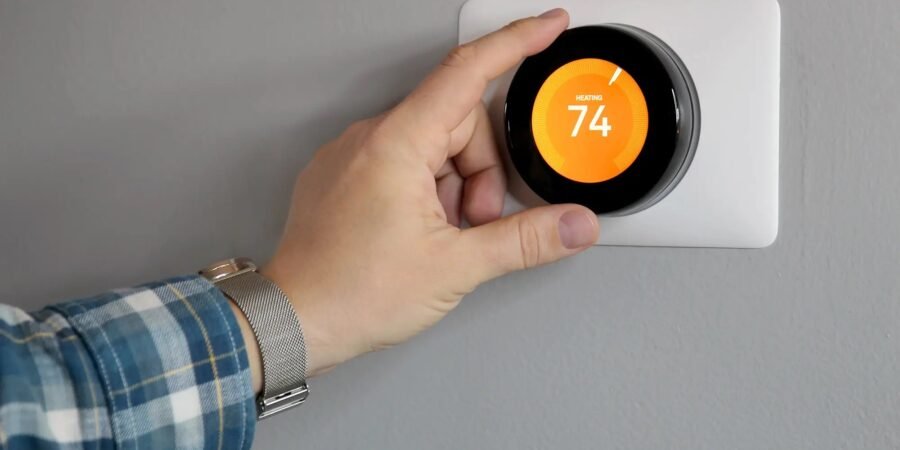
Winter energy bills are the line item most of us dread. The heating goes on, the days get dark by four, and the direct debit creeps up. But here’s the thing I’ve learned after years of tinkering: you can reduce your household energy bills this winter substantially without sitting in a cold house wearing three jumpers.
Most savings come from a handful of changes — how you heat, where heat escapes, and what support you’re entitled to. Here’s the lot, starting with the free stuff.
Heat the Person, Then the Room, Then the House
The biggest mindset shift is this: you don’t need to heat your whole house to the same temperature all day. Heating only the rooms you’re using, and only when you’re using them, is where the real savings live. Thermostatic radiator valves (TRVs) let you do this room by room — turn down bedrooms during the day and living spaces at night.
Drop your thermostat by one degree and you probably won’t notice, but your bill will — it’s one of the most repeated pieces of energy advice because it’s true. Most people are comfortable at 18-21°C in living areas. And check your boiler flow temperature: many combi boilers run hotter than needed, and turning it down can cut gas use without any comfort loss.
How Can I Reduce My Household Energy Bills This Winter?
A huge chunk of heating energy is wasted through draughts and poor insulation. The good news is the fixes are cheap and mostly DIY-able in a weekend.
- Draught-proofing: self-adhesive strips around doors and windows, brush seals on letterboxes, and a chimney balloon if you have an unused fireplace. Draughts are silent bill-killers.
- Radiator reflector panels: slim foil panels behind radiators on outside walls bounce heat back into the room instead of warming the brickwork.
- Bleed your radiators: cold spots at the top mean trapped air, which means your boiler works harder. A radiator key costs about a pound.
- Heavy curtains: close them at dusk over windows and doors. It’s old-fashioned advice because it works — windows are heat sieves.
- Hot water cylinder jacket: if you have a hot water tank, an insulation jacket pays for itself within months.
Check What Support You Can Claim
Don’t leave money on the table. The government’s Warm Home Discount gives eligible households £150 off electricity bills each winter — many people qualify without realising, especially those on means-tested benefits. There’s also the Winter Fuel Payment for older households and Cold Weather Payments during freezing spells.
Check the latest government energy bill support announcements to see what’s currently available and whether you need to do anything — some discounts are automatic, but only if your details are correct with your supplier. If you’re struggling, talk to your supplier early; they have obligations to help customers in difficulty, including payment plans.
Smarter Habits That Add Up
Beyond heating, the everyday stuff matters. Wash at 30°C — modern detergents are designed for it. Only boil the water you need in the kettle (most of us boil double). Switch things off standby properly, or use a standby-saver plug for the TV setup. Tumble dryers are among the hungriest appliances in the house; a heated airer or even a normal rack near a radiator costs a fraction to run.
If you’ve got a smart meter, actually look at it. Seeing the cost spike when the oven, shower and kettle run together is weirdly motivating — and it teaches you which habits are expensive in a way no article can. Knowledge first, then the savings follow.
The Bigger Investments Worth Considering
Beyond habits and draught strips, some larger investments pay back handsomely — but timing matters. Loft insulation (often subsidised or free through energy schemes for eligible households) is the single best fabric improvement for most UK homes. Cavity wall insulation suits many properties. And if your boiler is 15+ years old, a modern condensing boiler — or better, a heat pump if your home suits one — can cut heating costs dramatically, especially with current grant support.
The key is sequencing: do the cheap fabric fixes first (draught-proofing, insulation, radiator efficiency), because they reduce the size of heating system you need — which makes any future boiler or heat pump cheaper to buy and run. Get an EPC assessment or energy advice visit to prioritise properly; guessing at big investments wastes money. And check what grants you’re eligible for before spending a penny — the government’s energy support schemes change regularly, and free money for insulation is real money.
- Smart thermostats: learning thermostats and smart TRVs typically save 8-12% on heating — they pay for themselves in a year or two.
- LED everything: if you still have halogen bulbs, switching to LED cuts lighting costs by ~80%. Do the whole house in one go.
- Water-saving shower head: less hot water used means less energy heating it — a £20 fitting with immediate payback.
- Appliance upgrades (when replacing): buy A-rated when things die; don’t replace working appliances early just for efficiency.
- Solar panels: increasingly viable even in the UK — but do the maths for your roof, orientation and usage pattern first.
- Thermal curtains for worst windows: cheaper than double glazing, surprisingly effective on single-glazed or draughty windows.
Think of energy saving in layers: free habit changes this week, cheap DIY fixes this month, bigger investments when the time is right — always in that order. Each layer makes the next one more effective. And keep claiming every bit of support you’re entitled to; the schemes exist because winter bills are a national problem, not a personal failure.
The Takeaway
Reducing your household energy bills this winter isn’t about one magic fix — it’s heating smarter, sealing draughts, claiming the support you’re entitled to, and trimming wasteful habits. Start with the thermostat and the draught strips this weekend; they’re free or nearly free, and you’ll feel the difference in the next bill.
Keep reading: How to Save Money on Your Weekly Food Shop in the UK: 2026 Guide · How to Make Your Home Smell Nice Without Artificial Air Fresheners · How to Declutter Your Home Without Throwing Everything Away


[…] Keep reading: Best Way to Plan Meals for a Busy Family (Without the Stress) · Best Free UK Apps for Managing Money in 2026 · How to Reduce Your Household Energy Bills This Winter: 2026 Guide […]
[…] swap — which on busy networks can exceed the value of a small trade. Our plain-English guide to reducing household energy bills this winter is essential pre-reading before your first […]
[…] match your behaviour, not someone else’s. And understand what you are paying for with our reducing household energy bills this winter — informed users overpay […]
[…] Most UK home-mining spreadsheets die at this step, which is precisely the step’s purpose. Our guide to cutting household energy bills gives context on just how expensive UK electricity is relative to other […]