Why the Best Budget Mascara Under £15 Is So Hard to Choose in London
Why choosing the best budget mascara under £15 in London is so hard — and how to beat it: brush matching, tubing formulas, the 2026 champions, smart testing.
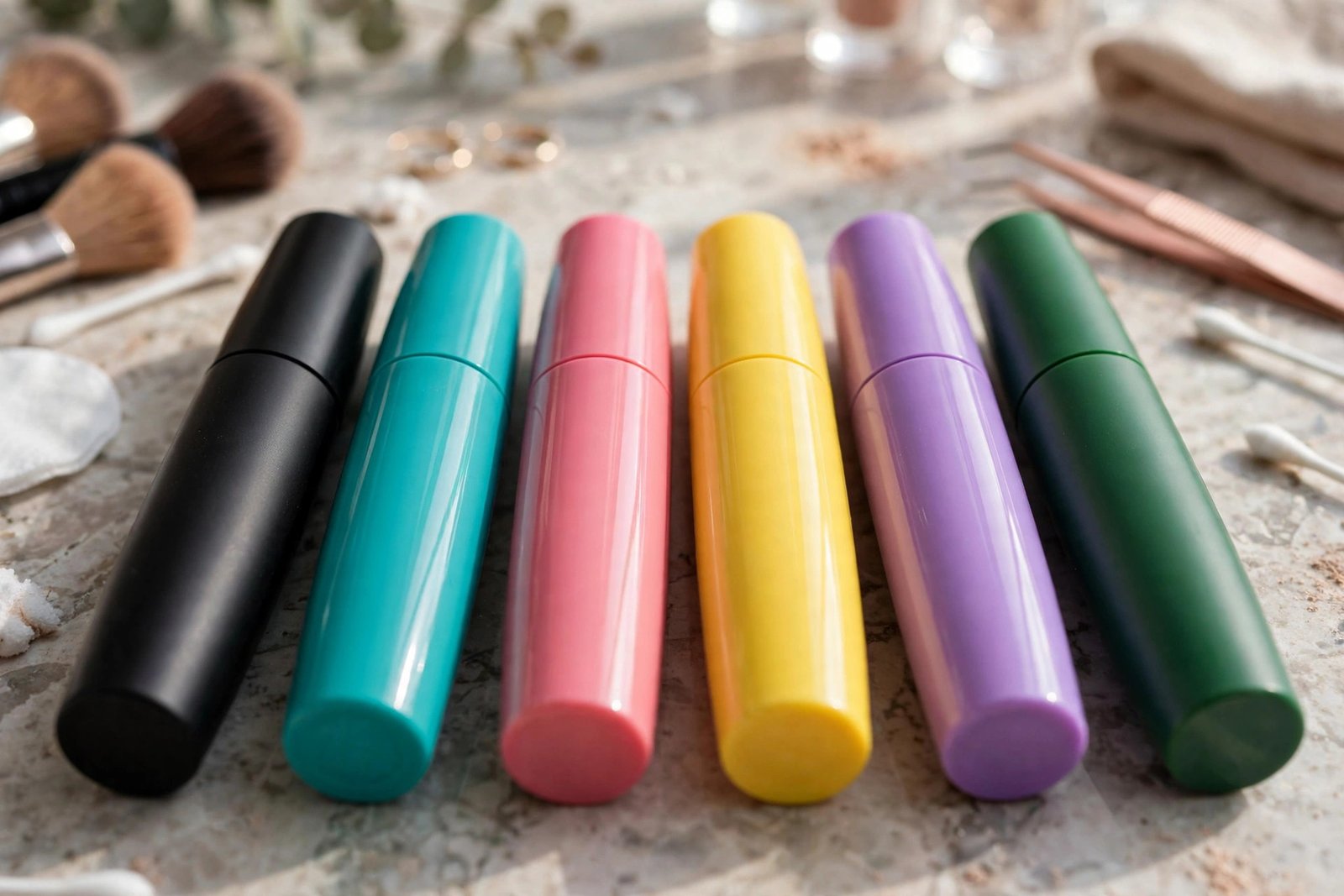
Walk into any Boots on Oxford Street and face the mascara wall: forty-odd tubes, all promising length, volume, curl and drama, ranging from £4 to £35. Choosing the best budget mascara under £15 in London should be simple — but it is genuinely hard, and the reasons are more interesting than “they’re all the same.” Between deceptive marketing, the formula/brush distinction nobody explains, and London’s specific shopping quirks, finding a cheap mascara that actually works takes strategy.
This guide explains why the choice is so hard, what actually makes a mascara good, the budget champions worth buying in 2026, and how to test-drive them without wasting money.
Why It Is So Hard: The Three Confusions
Confusion one: the formula vs the brush. Mascara performance is roughly 50% formula and 50% wand — but packaging only shows you the tube. A brilliant formula with the wrong brush for your lashes (fine, short, straight, sparse — everyone differs) will disappoint, while an average formula with your perfect brush shape can look spectacular. This is why reviews disagree so violently: the same mascara is transformative on one person’s lashes and clumpy on another’s.
Confusion two: marketing words mean nothing. “Tubing,” “fibre,” “lash-lifting” — these describe real technologies, but unregulated superlatives (“12x volume!”) do not. Which?’s independent mascara tests cut through this by blind-testing wear, clumping and removal — worth checking before you buy.
Confusion three: London’s paradox of choice. Superdrug, Boots, independent beauty shops on every high street from Brixton to Camden, plus online exclusives — the sheer availability of options makes deciding harder, not easier. Decision fatigue is real, and it is why most people grab the tube with the prettiest ad.
What Actually Makes a Mascara Good
Judge mascaras on four criteria. Brush match: skinny wands with short bristles suit short/fine lashes (precision); big fluffy wands suit long lashes wanting volume; curved wands help straight lashes hold curl; rubber/silicone wands separate, while natural bristles build volume. Formula behaviour: does it flake by 5pm? Smudge under the eyes? Survive London rain? Removal: the best budget mascaras remove with warm water and cleanser — no panda eyes, no lash loss from scrubbing. Tubing vs traditional: tubing mascaras form water-resistant tubes around each lash (remove with warm water alone, zero smudging) and are the budget category’s secret weapon for oily eyelids and commuters.
Know your lash type before shopping: look straight-on in a mirror. Short and straight? You need curl + length (curved wand, tubing formula). Long but sparse? Volume-building bristles. Fine and fair? A defining, non-clumping formula in brown-black often looks better than blackest-black. The IndyBest mascara roundups test across lash types and are genuinely useful for matching.
The Budget Champions Under £15 (2026)
These are the tubes that consistently win blind tests and makeup-artist recommendations at budget prices. Maybelline Lash Sensational (~£10–£13): the curved rubber wand is superb for length and separation; a genuine rival to mascaras three times the price. L’Oréal Telescopic (~£11–£13): the skinny precision wand is unbeatable for lower lashes and short lashes. Essence Lash Princess (~£4–£5): the internet-famous false-lash effect at pocket-money prices — quality control varies slightly by batch, but at this price, who cares. Rimmel Wonder’Volume Thrill Seeker (~£9–£11): strong volume for sparse lashes. No7 Stay Perfect (~£12–£14, Boots): a tubing formula — London-commuter-proof against rain and 12-hour days.
All are widely available across London — Boots, Superdrug, and larger Tesco/Sainsbury’s beauty aisles. Buy from high-turnover stores: mascara has a 3-month life once opened, and a tube that has sat in a quiet shop for a year is already degraded. Check the batch code if you are suspicious.
The Smart Way to Test (Without Wasting Money)
Do not buy three mascaras at once hoping one works. Buy one, test properly: wear it for a full London day — commute, office, evening — and judge at 10pm, not 10am. Note flaking, smudging and how removal feels. Use minis and gift sets: Christmas and summer beauty gift sets are the cheapest way to trial premium formulas. Ask for samples: department store beauty counters (Selfridges, John Lewis Oxford Street) will make up mascara samples if you ask. Replace on schedule: every 3 months, no exceptions — old mascara harbours bacteria and performs worse, which is why a “holy grail” sometimes mysteriously stops working.
And keep the budget-beauty mindset across your routine: looking stylish on a budget from UK high street shops covers the wardrobe side, while managing your household budget keeps the beauty spending inside a plan instead of a whim. For deeper independent testing, Good Housekeeping UK’s beauty lab publishes rigorous mascara wear-test data.
Mascara and Eye Health: The Safety Briefing
Mascara sits millimetres from your eyes, so safety matters more than with most makeup. The 3-month rule is medical, not marketing: every pump of the wand introduces bacteria, and studies have found alarming bacterial loads in old mascaras — including staphylococcus. Eye infections from ancient mascara are a genuine A&E presentation. Never share mascara — not with your best friend, not with testers at counters (use disposable wands, which reputable counters provide). Do not pump the wand: it forces air in, drying the formula and feeding bacteria; twist instead. Remove gently every night: sleeping in mascara risks corneal irritation and lash breakage — micellar water or a dedicated eye makeup remover, no scrubbing.
Waterproof vs washable: waterproof formulas resist tears, sweat and London rain, but require oil-based removers and more rubbing — daily waterproof wear can thin lashes over time. For most days, a tubing mascara gives 90% of the staying power with warm-water removal and zero rubbing. Allergies: if eyes water, itch or swell with a new mascara, stop immediately — fragrance and certain preservatives are the usual culprits, and “hypoallergenic” is an unregulated term. When in doubt, a pharmacist or GP can advise; persistent reactions deserve professional attention, not a different tube.
Conclusion
Choosing the best budget mascara under £15 in London is hard because performance depends on your lashes, not the price tag — but that is also the good news. Match the brush to your lash type, favour tubing formulas for London-proof wear, test one tube properly before buying another, and trust the budget champions (Lash Sensational, Telescopic, Lash Princess) that consistently beat luxury rivals in blind tests. The perfect £12 mascara exists. Now you know how to find yours.
Frequently Asked Questions
What is the best budget mascara under £15?
Maybelline Lash Sensational and L’Oréal Telescopic consistently top independent tests around £10–£13. Essence Lash Princess (~£5) is the best ultra-budget option.
What is tubing mascara?
Tubing mascaras form water-resistant polymer tubes around each lash instead of painting them. They do not smudge or flake and remove with warm water alone — ideal for oily lids and long days.
How often should I replace mascara?
Every 3 months after opening. Old mascara performs worse and can harbour bacteria that cause eye infections.
Why does my mascara smudge under my eyes?
Usually oily eyelids, a too-wet formula, or applying to lower lashes with a volumising wand. Try a tubing formula, set under-eyes with powder, or skip lower-lash mascara.
Is expensive mascara better than budget?
Not reliably. In blind tests, budget mascaras frequently beat luxury ones — brush-lash match matters far more than price. Above ~£15 you are mostly paying for branding.