How to Make Coffee in a French Press: Step-by-Step Guide (2026)
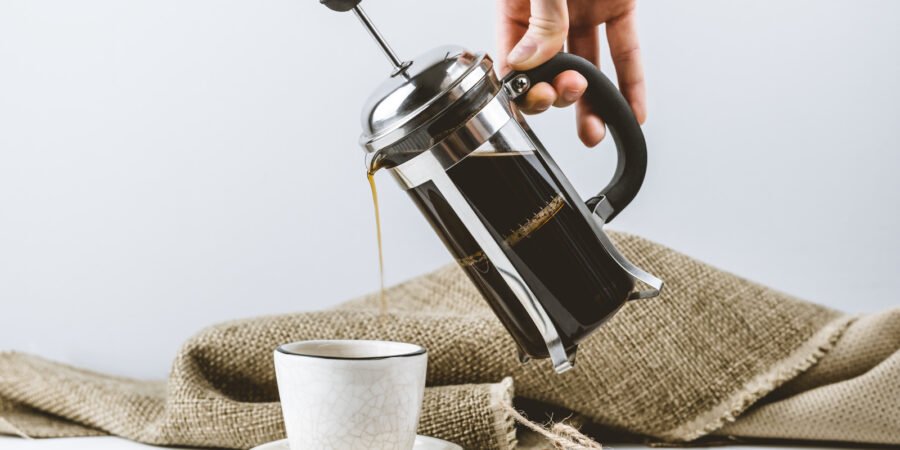
There’s a particular kind of morning person who owns a French press — sorry, a cafetière, as we stubbornly call it in Britain — and swears they’ll never go back to instant. I’m one of them, and I’m here to convert you. Not with snobbery (instant has its place: camping, emergencies, your nan’s house), but with a simple truth: four minutes of actual effort produces a cup of coffee so much better than instant that the two barely belong in the same conversation.
The French press is the most forgiving brew method there is. No expensive machine, no paper filters, no technique to master over months. Just coarse coffee, hot water, and a timer. This guide gives you the exact method, the right ratios, the common mistakes, and how to choose beans — so your very first press pot tastes like it came from a proper café.
You may also like news updates for further insights.
What You’ll Need
- A cafetière (French press): any size works — 350ml serves one large mug, 1 litre serves three to four. Bodum’s Chambord is the classic; supermarket own-brands work fine too.
- Fresh coffee beans, ground coarse: this is the single biggest factor. Pre-ground “filter” coffee from the supermarket works, but beans ground fresh (or from a local roaster) are transformative. Grind size should resemble coarse sea salt or breadcrumbs.
- Fresh water, just off the boil: about 94°C. Boiling water scalds the coffee and makes it bitter.
- A timer and scales (optional but recommended): consistency is what separates good coffee from great coffee.
The Golden Ratio
The widely agreed starting point is 1:15 — one gram of coffee to 15 grams (ml) of water. In practical terms:
- 1 mug (350ml): 23g coffee — about 3 heaped tablespoons
- 2 mugs (700ml): 46g coffee — about 6 heaped tablespoons
- 4 mugs (1 litre): 65g coffee — about 8–9 heaped tablespoons
Prefer it stronger? Go to 1:13. Weaker? 1:17. But start at 1:15 and adjust from there — changing one variable at a time is how you learn what you actually like.
Step-by-Step Method
Step 1: Heat the water — and the pot
Boil the kettle, then let it sit for 30–60 seconds. You want it just off boiling. Meanwhile, pour a splash of the hot water into the empty cafetière, swirl it around and pour it out. Warming the glass stops it stealing heat from your brew — a small step that makes a real difference, especially in a cold kitchen.
Step 2: Add the coffee
Add your coarse-ground coffee to the warmed pot. If you don’t have scales, use the tablespoon guide above — but honestly, a £10 kitchen scale is the best upgrade any coffee drinker can buy. Give the pot a gentle shake to level the grounds.
Step 3: Bloom (the 30-second secret)
Pour in just enough water to saturate the grounds — about double their weight — and give it a gentle stir. You’ll see the coffee swell and bubble slightly. This is the “bloom”: the grounds releasing trapped CO₂. Fresh coffee blooms dramatically; stale coffee barely moves, which is itself a useful freshness test. Wait 30 seconds.
Step 4: Fill and wait
Pour in the remaining water, pouring steadily in a spiral to wet everything evenly. Place the lid on top with the plunger pulled all the way up — don’t press yet. Set your timer for 4 minutes.
Step 5: Break the crust and skim
When the timer goes off, you’ll see a crust of grounds on top. Break it with a spoon and give one gentle stir, then skim off any foam and floating bits with a spoon. This removes the bitterest compounds and gives you a cleaner cup. (This step is what separates café-quality from merely decent — don’t skip it.)
Step 6: Plunge — slowly
Put the lid back on and press the plunger down slowly and steadily, using just the weight of your hand. If it drops too easily, your grind is too coarse; if you have to force it, too fine. It should take 20–30 seconds. Stop just above the grounds — don’t jam it down.
Step 7: Serve immediately
Pour every cup straight away. Coffee left sitting on the grounds keeps extracting and turns bitter within minutes. If you’ve made more than you’ll drink immediately, decant the rest into a thermal carafe or a warm jug.
Choosing Beans: What Actually Matters
You don’t need to become a coffee bore, but two things matter enormously:
- Freshness beats everything. Coffee is at its best 1–4 weeks after roasting, then declines. Supermarket beans with no roast date are a lottery; a local roaster or a subscription (plenty of excellent UK roasters post fresh beans) is a different league. If it smells amazing when you open the bag, you’re on the right track.
- Match the roast to the method. French press loves medium to medium-dark roasts — they give you that full, chocolatey body the method is famous for. Very light, fruity roasts can taste thin and sour in a press; save those for pour-over.
And the grind: if you’re buying pre-ground, look for bags labelled “cafetière” or “coarse.” Too fine, and you’ll get sludge and bitterness; too coarse, and the coffee tastes weak and watery no matter how long you steep it.
Common Mistakes
- Water too hot: boiling water = bitter coffee. Let the kettle rest a minute.
- Wrong grind size: the most common fault. It should look like coarse sea salt, not sand.
- Leaving it on the grounds: pour it out promptly or it over-extracts.
- Too little coffee: most people’s “weak cafetière” is just under-dosed. Weigh it once and you’ll be shocked how much you were skimping.
- Never cleaning the filter: disassemble the plunger assembly monthly and scrub the mesh. Rancid coffee oils build up and taint every brew.
French Press vs The Alternatives
How does the cafetière stack up? Against instant: no contest, the press wins on flavour (though instant wins on speed and washing up). Against a moka pot: the press is fuller-bodied and less intense; the moka pot is stronger and more espresso-like. Against pour-over (V60, Chemex): pour-over gives a cleaner, brighter cup; the press gives a heavier, oilier, more indulgent one. Against a bean-to-cup machine: the machine wins on convenience, the press wins on flavour per pound — a £25 cafetière and good beans will out-brew a £300 machine with stale beans every time.
Coffee and Food Pairings
A proper cafetière deserves a proper accompaniment. Buttery pastry is the classic partner — croissants, pain au chocolat, or something homemade. There’s a reason cafés pair coffee with cake: the bitterness of the coffee and the sweetness of the bake balance each other perfectly. Next time you brew a pot, serve it alongside a slice of homemade apple pie still warm from the oven. Trust me on this one.
French Press FAQs
How much coffee do I put in a French press?
Start with a 1:15 ratio — 1g of coffee per 15ml of water. For a standard one-mug 350ml press, that’s about 23g, or 3 heaped tablespoons of coarse-ground coffee.
Why is my French press coffee bitter?
Almost always one of three things: water too hot, grind too fine, or left sitting on the grounds too long. Fix those and bitterness usually disappears.
Can I make iced coffee in a French press?
Yes — brew it double-strength (1:8 ratio), plunge, then pour over a jug full of ice. Or do a cold brew: coarse grounds plus cold water, steep 12–16 hours in the fridge, then plunge. Summer sorted.
How do I clean a French press properly?
Daily: knock out the grounds (they’re great for the garden or compost), rinse, and wash with hot soapy water. Monthly: disassemble the plunger — unscrew the mesh filter assembly — and scrub every part. Old coffee oils are the enemy of good flavour.
Is French press coffee bad for cholesterol?
Unfiltered coffee contains cafestol, a compound that can raise LDL cholesterol in heavy drinkers. If you drink several large press pots daily and have cholesterol concerns, it’s worth mentioning to your GP — the NHS guidance on cholesterol covers diet factors. For most moderate drinkers, it’s a non-issue.
The Bottom Line
The cafetière is the people’s champion of coffee brewing: cheap, simple, forgiving, and capable of a genuinely superb cup. Get the grind right, respect the four minutes, pour it promptly, and you’ll wonder why you ever bothered with anything else. Four minutes, once a day, for coffee this good — that’s not a faff, that’s a ritual worth keeping.
Sources: BBC Good Food – How to Make Cafetière Coffee; NHS – High Cholesterol
Related News

How to Cook Turkey Bacon: Step-by-Step Guide (2026)
Let’s address the elephant in the room straight away: turkey bacon is not bacon. IfRead More

How Long to Smoke a Turkey at 275? Complete Answer
The short answer: at 275°F (135°C), a turkey takes roughly 25–30 minutes per pound, soRead More