How Much Testosterone Should a Woman Take Per Week? Complete Guide (2026)
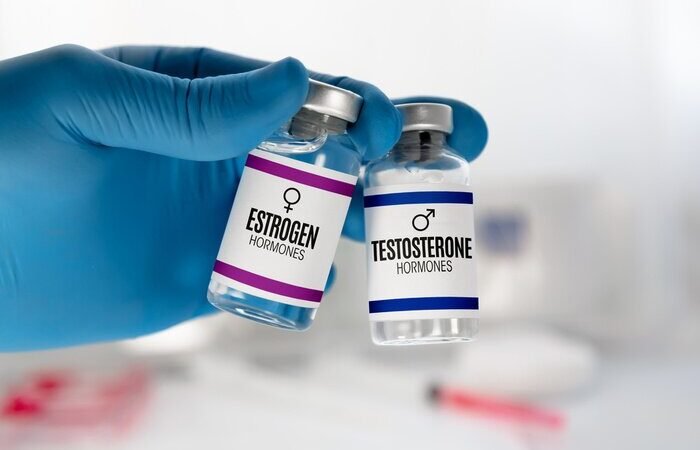
Important upfront: testosterone is a prescription-only medicine in the UK. This article explains what clinicians typically prescribe and what treatment costs — it is not personal medical advice, and you should never start, adjust, or source testosterone without a qualified doctor supervising you. With that said, let’s answer the question properly.
Testosterone therapy for women is one of the fastest-growing areas of private hormone care in the UK. Once barely discussed, it’s now routinely prescribed — mainly for low libido and energy during perimenopause and menopause — by specialist menopause clinics. But dosing for women is a completely different world from men’s TRT, and getting it wrong carries real risks. Here’s what the evidence and UK clinical practice actually say.
Why Would a Woman Take Testosterone?
The main evidence-based reason is hypoactive sexual desire disorder (HSDD) — persistent low libido causing distress — in postmenopausal women. NICE and international menopause guidelines acknowledge testosterone can help where oestrogen-only HRT hasn’t resolved libido and energy issues.
Other reasons women seek it include fatigue, low motivation, reduced muscle strength, and general “flatness” during perimenopause. The evidence here is thinner — libido is where the robust trial data sits. Be wary of any clinic promising testosterone as a cure-all for ageing; that’s marketing, not medicine.
What Doses Do UK Clinicians Actually Prescribe?
Women naturally produce roughly a tenth of the testosterone men do, so female doses are tiny compared with male TRT. Typical UK private-clinic practice:
- Testosterone gel (most common): around 5 mg per day — often described as a “pea-sized” amount of 1% gel, or roughly one-tenth of a man’s daily sachet. Some clinicians start lower (2.5 mg/day) and titrate up.
- Testosterone cream: similar daily dosing, compounded or prescribed off-label, applied to the inner thigh or buttock.
- Injections: far less common for women in the UK. Where used, doses are small and infrequent (e.g. 10–25 mg every 1–2 weeks of testosterone enanthate) — but most UK menopause specialists prefer gels because dosing is easier to fine-tune and stop.
To put it in weekly terms: a woman on standard gel therapy receives roughly 25–35 mg per week total — compared with 100–200 mg per week for a man on TRT. That tenfold difference is exactly why “male” dosing in women causes problems.
Doses are always individualised based on blood tests (total and free testosterone, SHBG) taken before treatment and monitored during it. The goal is to bring levels into the normal female physiological range — not to chase a number.
How Much Does It Cost in the UK? (2026)
Testosterone for women is rarely available on the NHS — most obtain it privately. Typical costs:
- Initial private consultation: £200–£400 at a specialist menopause or hormone clinic (London clinics trend higher).
- Follow-up + blood tests: £100–£250 per review, usually at 3 months then 6–12 monthly.
- Testosterone gel/cream: £20–£60 per month privately, depending on the preparation. Some is prescribed as licensed male gel used at a fraction of the dose (off-label but standard practice); some clinics use compounded creams.
- Annual ballpark: £500–£1,200 per year all-in for private treatment and monitoring.
On the NHS, testosterone for women is occasionally prescribed by GPs under specialist guidance, but it’s patchy — many GPs won’t initiate it. If cost is a barrier, ask your GP for referral to an NHS menopause clinic; waiting lists can be long, but it’s worth joining the queue. The NHS menopause pages outline what’s available.
How It’s Monitored (And Why That Matters)
Responsible prescribing involves:
- Baseline bloods before starting (testosterone, SHBG, FSH/LH, lipids, liver function).
- Repeat testosterone levels 6–12 weeks in, then periodically — aiming for the upper end of the normal female range, never into male ranges.
- Symptom review: is libido/energy actually improving? If not after 6 months, guidelines suggest stopping — it’s not working for you.
- Watching for androgenic side effects (below).
Any clinic that hands you testosterone without blood monitoring isn’t practising medicine — it’s retail. Walk away.
Side Effects Women Should Know About
At physiological female doses, testosterone is generally well tolerated. But excessive dosing — or individual sensitivity — can cause:
- Acne and oily skin
- Increased facial/body hair growth
- Deepening of the voice (often irreversible — the red flag that dosing is too high)
- Clitoral enlargement
- Hair thinning at the temples
- Mood changes, irritability
- Adverse effects on cholesterol
Voice changes and clitoral enlargement may not fully reverse, which is why “start low, monitor closely” is the mantra. These risks are dose-dependent — another reason proper medical supervision is non-negotiable.
Red Flags: What to Avoid
- Buying testosterone online or from gyms: illegal without prescription, frequently counterfeit or contaminated, and dosed for men. This is how women end up with irreversible side effects.
- Clinics that don’t do blood tests. Non-negotiable — see above.
- Pellet implants marketed aggressively: popular in some private clinics, but dosing can’t be adjusted once inserted, and UK menopause specialists are generally cautious about them.
- Promises of dramatic weight loss, “biohacking” or anti-ageing miracles. Testosterone isn’t that.
Testosterone for Women FAQs
Can women get testosterone on the NHS?
Sometimes, but it’s inconsistent. NICE menopause guidance supports considering testosterone for low libido where HRT alone hasn’t helped, yet many GPs are reluctant to prescribe it. A referral to an NHS menopause clinic is your best route; otherwise, private clinics fill the gap.
How long before testosterone works for libido?
Most trials show effects building over 8–12 weeks. If there’s no meaningful improvement by 6 months, guidelines recommend stopping treatment.
Will testosterone make a woman bulky or masculine?
At correct female physiological doses, no — levels are restored to the normal female range, not pushed toward male ranges. Masculinising effects signal over-dosing and should prompt an immediate dose review with your clinician.
Is testosterone gel or cream better for women?
Both are used; gels (usually licensed male products used at ~1/10th dose) are most common in the UK because they’re readily available. Some prefer compounded creams for finer dose control. Your clinician’s preference and what you tolerate best should guide the choice.
Do I need oestrogen HRT too?
Testosterone is generally considered an add-on for women already on (or who have tried) oestrogen-based HRT, not a standalone first step for menopause symptoms. Discuss the full picture with a menopause specialist.
The Bottom Line
Women’s testosterone therapy means small, carefully monitored doses — roughly 25–35 mg per week via daily gel — targeted at restoring normal female levels, primarily for libido and energy in menopause. It costs around £500–£1,200 a year privately in the UK, and it demands proper blood monitoring.
Done right, under a good clinician, it helps many women. Done casually, bought online, or dosed like a man’s — it can cause lasting harm. This is one area where the boring advice (see a specialist, do the bloods) is genuinely the only advice.
This article is for information only and is not medical advice. Testosterone is prescription-only in the UK. Speak to your GP or a registered menopause specialist about your individual situation.
Related News

How Much Testosterone Should a Woman Take Per Week? Complete Guide (2026)
Important upfront: testosterone is a prescription-only medicine in the UK. This article explains what cliniciansRead More

How to Soothe Period Cramps: Step-by-Step Guide (2026)
It’s 7am, your alarm’s going off, and your lower abdomen feels like it’s being wrungRead More