Stop Makeup Melting in Summer Heat: The Heatproof Routine

It is 2pm on the hottest day of the year, you catch your reflection in a shop window, and your carefully applied face has relocated — foundation in the creases, mascara staging a breakout, blusher somewhere near your jaw. Summer makeup meltdown is a universal humiliation, and the UK’s increasingly hot summers (40°C in 2022 was not a one-off warning) have made it an annual event. The question is not whether to fight it but how often you should intervene: how often should you stop makeup melting in summer heat? The answer is that prevention beats rescue — a heatproof routine applied once in the morning outperforms hourly damage control. Here is the complete strategy, from prep to the 4pm touch-up.
Why makeup melts (the chemistry of the slide)
Melting is physics, not personal failure. Heat increases sebum production and sweat; both are solvents that break down the film-formers and emulsifiers holding your makeup together. Humidity adds a surface layer of moisture that foundation cannot grip. And the UK’s particular cruelty — hot days with high humidity and no air conditioning anywhere — creates worst-case conditions: sweat plus sebum plus humidity plus a stuffy Tube carriage. Cream and liquid products (high in oils and water) fail first; powders and waterproof formulas resist longest. Understanding this tells you exactly where to intervene: reduce the solvents (control oil and sweat), strengthen the film (primers, setting products), and choose formats engineered for heat.
Skin type matters enormously. Oily skin can start breaking down foundation within two hours at 28°C; dry skin often holds makeup fine but suffers patchiness as sweat evaporates. Combination skin gets the worst of both. Know your type before choosing weapons — the NHS skincare resources explain skin-type basics if you have never properly identified yours.
The heatproof morning routine (do this once, properly)
1. Lighten the skincare. Swap heavy moisturisers for oil-free gel formulas in summer. Let each layer absorb fully — makeup applied over damp skincare slides off by noon. In real heat, many people can skip morning moisturiser entirely under SPF.
2. SPF that grips. Sunscreen is non-negotiable, but greasy formulas destroy makeup. Choose mattifying or “dry-touch” SPFs designed to sit under makeup, and wait a full 10–15 minutes before applying anything over them. This waiting step is the most-skipped and most-consequential in the routine. If your sunscreen is the weak link, Which? sunscreen tests independently assess SPF claims and cosmetic feel, so you can pick one that actually grips under makeup.
3. Primer with a job. Mattifying or gripping primers create the barrier between skin chemistry and makeup. Apply thinly to the T-zone; more is not better.
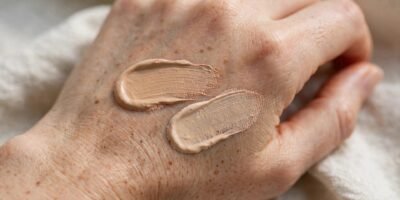
4. Go sheer. Full-coverage foundation is the first casualty of heat. Switch to tinted moisturiser, skin tints or BB cream in summer — less product means less to melt, so lighter coverage formulas survive heat dramatically better. On the same less-is-more principle, breathable fabrics for sensitive skin keep you cooler and reduce the sweat that breaks makeup down.
5. Cream before powder, then set. If using cream blush or bronzer, set with a light translucent powder. Finish with setting spray — applied in an X and T motion, eyes closed — which genuinely extends wear by hours in heat. Waterproof mascara and brow gel are non-negotiable; regular mascara in humidity is a panda costume waiting to happen.
The midday rescue kit (for when prevention meets reality)
Even perfect prep meets its match on the Central line at 5pm. Carry a minimal kit: blotting papers (press, never rub — rubbing moves makeup), a pressed powder compact for the T-zone, setting spray for a 3pm refresh, and waterproof concealer for under-eye touch-ups. The technique: blot first to remove oil and sweat, then powder sparingly — powdering over unblotted oil bakes it into cake. One midday intervention is usually enough; hourly powdering creates the cakey build-up people blame on the heat.
Strategic retreats also count: choose cream-to-powder formulas for the handbag, keep the kit in a cool bag on genuinely hot days (heat degrades products too), and know that some days the winning move is tinted SPF, brows and lip stain — the “hot weather face” that cannot melt because there is nothing to melt. Our guide to colours for pale skin tones helps if you are simplifying to a minimal summer palette.
What about the commute?
UK-specific survival: do makeup after the hot part of the commute if possible (many offices have bathrooms — arrive ten minutes early); carry a handheld fan; choose hairstyles that keep hair off a made-up face (hair sticking to foundation is a special summer misery); and on the very hottest days, consider that nobody’s makeup survives 38°C — adjust expectations, not just products. Heat affects everything in summer, including sleep — see sleeping better during hot summer nights for the night-time half of the battle.
The emergency 60-second refresh
For the moment you catch the meltdown in a mirror and have one minute: blot the entire face with a tissue or blotting paper, pressing firmly — this lifts the broken-down oils without removing the remaining makeup. Dab (never wipe) a tiny amount of pressed powder only on the shiniest areas, usually the nose and chin. Re-set with two spritzes of setting spray held at arm’s length. Finish by pressing a clean fingertip over any creased concealer to smooth it back into place. Sixty seconds, no new product layers, face rescued. The mistake to avoid is adding fresh foundation on top of melted foundation — it doubles the thickness and halves the remaining wear time. Less is genuinely more in a heat emergency.
Products and ingredients that actually survive
Look for: long-wear and waterproof claims (regulated terms in the UK — they must be substantiated); silicone-based primers (dimethicone creates the grip barrier); powder formulas over creams in extreme heat; stain-format lip and cheek products (they pigment the skin rather than sitting on it). Avoid: heavy oils in skincare under makeup, dewy-finish foundations (gorgeous in October, tragic in July), and layering multiple cream products. One underrated hero: milk-of-magnesia-style mattifiers are outdated advice — modern niacinamide serums regulate oil far more safely.
Conclusion
How often should you stop makeup melting in summer heat? Once — with a proper heatproof morning routine — plus one midday blot-and-powder intervention on the worst days. Prevention (light layers, mattifying SPF, sheer coverage, setting spray) beats rescue every time, and on truly brutal days the smartest makeup is the least makeup. Your face cannot melt if you have engineered it not to.
Frequently Asked Questions
How often should you stop makeup melting in summer heat?
Apply a full heatproof routine once in the morning (light skincare, mattifying SPF, primer, sheer coverage, setting spray), then do one midday blot-and-powder touch-up if needed. Hourly re-powdering causes cakey build-up and makes things worse.
What is the best makeup for very hot weather?
Sheer coverage (tinted moisturisers, skin tints, BB creams), waterproof mascara and brow products, stain-format cheek and lip colours, and setting spray. Avoid full-coverage foundations and multiple cream layers in heat.
Why does my makeup melt even with primer?
Usually one of three causes: skincare applied too heavily underneath, no waiting time between SPF and makeup (needs 10–15 minutes), or too much product overall. Primer cannot compensate for a damp base or excessive layering.
Should I skip moisturiser under makeup in summer?
Many people can, especially with oily skin — a mattifying SPF often provides enough hydration. Dry skin types should switch to a lightweight gel moisturiser rather than skipping entirely, letting it absorb fully before makeup.