Choosing a Family SUV With Top Safety Ratings (Newcastle)
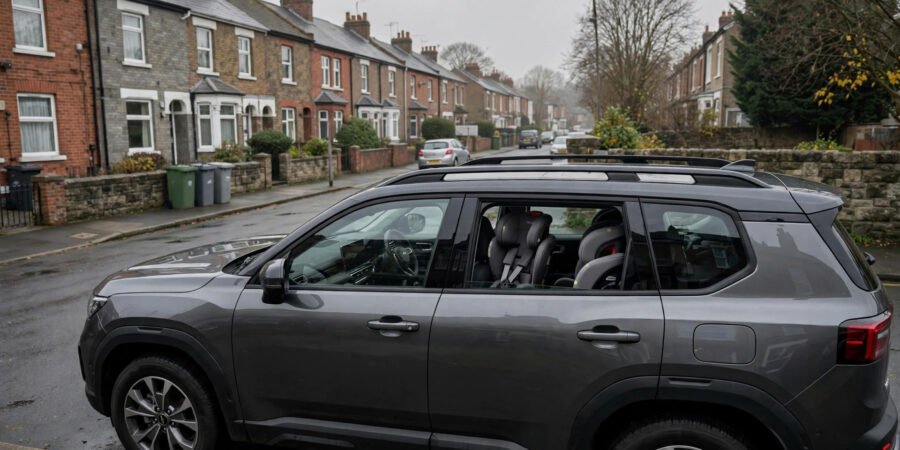
You’re expecting your second child, the hatchback’s boot barely swallows a pram, and suddenly every car advert seems to be an SUV. But with prices from £25,000 to £60,000+ and safety claims plastered across every brochure, when should you actually choose a family SUV — and how do you pick one with genuinely top safety ratings rather than marketing gloss?
This guide helps Newcastle families decide the timing, understand what safety ratings really mean, and choose an SUV that protects what matters most.
When an SUV Actually Makes Sense for Your Family
Not every family needs an SUV — and dealers won’t tell you that. You genuinely benefit when: you regularly carry three or more children (three child seats fit across far more SUV rear benches than hatchback ones), you need the boot for prams, sports kit or a dog, you tow a caravan or trailer, or you regularly drive rural Northumberland roads in winter where ground clearance and all-wheel drive matter.
You probably don’t need one if: it’s mostly urban school-run driving (a large hatchback or estate does the same job more cheaply and cleanly), your children are teenagers (space needs shrink, not grow), or the “need” is really about image. Be honest — an SUV bought for status costs thousands more in purchase price, fuel, insurance and tax than the equivalent estate. The right time to choose is when the family’s physical needs exceed what your current car can do, not when the marketing gets to you.
Understanding Safety Ratings: Euro NCAP Decoded
The Euro NCAP safety rating is the gold standard — but the star count alone misleads. A 2024 five-star rating is vastly tougher than a 2016 five-star rating, because the tests get harder every few years. Always check the year of the test alongside the stars. Beyond stars, read the four category scores: adult occupant, child occupant (the one that matters most to you — it tests child seat installation and protection), vulnerable road users (pedestrians and cyclists — bigger, heavier SUVs historically score worse here), and safety assist (autonomous braking, lane keeping).
Key insight for families: the safest car is rarely the biggest. Large SUVs protect their occupants well but pose more risk to others and can be harder to manoeuvre — the vehicle you can control confidently in an emergency is safer than the tank you can’t place on the road. And check Which? car safety reviews alongside Euro NCAP for real-world context.
The Safety Features That Actually Matter for Families
Beyond the rating, prioritise: autonomous emergency braking (AEB) with pedestrian/cyclist detection — the single most effective crash-avoidance technology; ISOFIX points in all three rear seats (not just the outer two — check, because many SUVs skimp on the middle seat); blind-spot monitoring (essential in larger vehicles); rear cross-traffic alert for reversing out of driveways and parking spaces; and good rear visibility — some coupe-styled SUVs have letterbox rear windows that make child-watching and parking miserable.
Test the child seats in the car before buying — bring your actual seats to the dealership. Three-across compatibility, ISOFIX accessibility with the seats installed, and whether the front passenger seat still slides back far enough are things no brochure answers. For family road trips beyond Newcastle, driving in France after Brexit has specific kit requirements worth knowing before you load up for the ferry.
Running Costs: The Part Families Underestimate
SUVs cost more to run — full stop. Bigger engines or bigger batteries, heavier weight, larger tyres (£150–£250 each versus £80–£120 for a hatchback), higher insurance groups, and higher VED. Before committing, calculate the five-year total cost: purchase price minus realistic resale, plus fuel/energy, insurance, tax, servicing and tyres. A £35,000 SUV often costs £8,000–£12,000 more over five years than the £25,000 estate that would have done the job. If the SUV’s space is genuinely needed, that’s money well spent; if not, it’s the most expensive image upgrade in motoring.
Consider hybrids and electrics seriously — family SUVs are among the segments where electrification makes most financial sense, given the mileage families cover. And whatever you buy, a good dash cam is cheap insurance against disputed claims on busy motorways like the A1(M).
Timing Your Purchase in Newcastle
The Newcastle car market follows national rhythms: March and September plate changes bring deals on outgoing stock; December and January are quiet months when dealers negotiate; and ex-demonstrator models (a few thousand miles, big discounts, full warranty) are the sweet spot for families. Get insurance quotes before committing — SUV insurance for young families can surprise — and factor in Newcastle-specific costs like city-centre parking (larger cars, larger charges).
New vs Used: Where Newcastle Families Get the Best Value
New family SUVs lose 30–40% of their value in three years — which is painful for new buyers and wonderful for used buyers. A two-year-old ex-demonstrator or nearly-new SUV offers the same safety tech (check the Euro NCAP test year covers your model year) at a fraction of the price, with the balance of the manufacturer warranty intact. For families, the sweet spot is typically 1–3 years old: modern safety systems, proven reliability data, and someone else has absorbed the depreciation.
If buying used, verify the safety spec carefully — optional safety packs on new cars become standard confusion on used ones. Check the VIN against the manufacturer’s spec sheet to confirm which driver-assistance systems are actually fitted, not just which were available. And get an independent inspection for anything over £15,000; £200 for a professional once-over is cheap insurance on a family car. Whatever age you buy, the safety fundamentals don’t change: test-year-aware Euro NCAP scores, verified ISOFIX, and your real child seats fitted before money changes hands.
Conclusion
Choose a family SUV when your family’s physical needs genuinely exceed your current car — three children, regular bulky loads, towing, or rural winter driving — not when the marketing peaks. Judge safety by Euro NCAP’s test year and child-occupant scores (not just stars), verify ISOFIX and visibility with your actual child seats, and calculate the five-year running cost before falling in love. The right SUV at the right time is one of the best family purchases you’ll make; the wrong one is just an expensive habit.
Frequently Asked Questions
Are SUVs actually safer than smaller cars?
For occupants in multi-car collisions, size and weight help — but the difference is smaller than marketing suggests, modern small cars score excellently, and SUVs pose greater risks to pedestrians and are more prone to rollover. Driver behaviour and safety tech matter more than size.
What’s the safest family SUV I can buy?
Check the latest Euro NCAP results for the specific model year — ratings change as tests toughen. Prioritise strong child-occupant scores, AEB with pedestrian detection, and three full ISOFIX points over brand reputation.
Should I buy petrol, hybrid or electric as a family SUV?
High-mileage families often save most with hybrid or electric; low-mileage urban families may find petrol cheaper overall once purchase price is factored in. Calculate total five-year cost for your actual mileage rather than deciding on fuel type alone.
When’s the cheapest time to buy an SUV in the UK?
December–January (quiet market, dealers chase targets) and just after plate changes (March, September) when outgoing-plate stock is discounted. Ex-demonstrators offer the best value year-round.