Best Way to Organise Important Household Paperwork
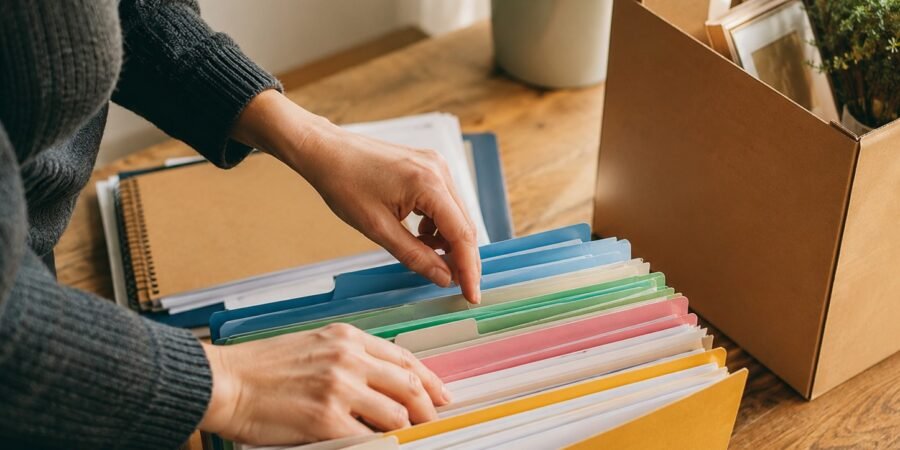
Somewhere in your house there’s probably a drawer — you know the one — full of unopened envelopes, ancient bills, and warranties for appliances you no longer own. Finding the best way to organise important household paperwork isn’t glamorous, but the peace of mind when you can lay hands on any document in thirty seconds is genuinely life-changing.
I finally conquered my paper mountain last year. Here’s the system, including what you can safely throw away (more than you think).
The Great Sort: One Painful Afternoon
There’s no way around it: you need one big sort. Gather every piece of household paper into one place, then sort into categories: action needed, file away, shred/recycle. Be ruthless with the third pile — most of what accumulates is junk that arrived disguised as importance.
General UK guidance on what to keep: tax records for at least 22 months after the tax year (longer if self-employed — HMRC can investigate further back), payslips and P60s for several years, property deeds and mortgage documents indefinitely, insurance policies while active plus a year, and warranties for as long as you own the item. Bank statements? If you can access them online, shred the paper ones. Utility bills older than a year? Gone, unless needed for a dispute.
What Is the Best Way to Organise Important Household Paperwork?
The best filing system is the simplest one you’ll maintain. I use an expanding file with labelled sections — or a small filing box with hanging folders. Categories that cover everything:
- Home: mortgage/rent agreement, deeds, insurance, council tax, energy contracts.
- Money: bank, savings, pension statements, loan documents.
- Work & tax: P60s, payslips, self-assessment records, expense receipts.
- Health: medical letters, prescriptions, vaccination records.
- Car: V5C, MOT certificates, insurance, service history.
- Warranties & manuals: one section; bin anything for items you no longer own.
- Action: a single tray for things needing a response — the only ‘to do’ pile allowed.
Go Digital Where It Counts
The real breakthrough is scanning the important stuff. A phone scanning app turns paper into searchable PDFs in seconds — scan property deeds, passports, insurance policies, birth certificates, and store copies in encrypted cloud storage. If the house floods or burns, the cloud copy is what saves you.
Switch every bill and statement you can to paperless — it stops the inflow at source, which is half the battle. Set up a simple email filing rule so e-statements auto-sort into a ‘documents’ folder. Going forward, aim for a ‘touch it once’ rule: every piece of post gets actioned, filed or recycled the day it arrives. No more drawer.
Maintain It in Minutes
Systems die without maintenance, so build in tiny habits: a weekly two-minute sort of the week’s post, a quarterly ten-minute purge of the action tray and expired documents, and an annual review where you shred anything past its keep-date. Put the annual one in your calendar now — future you will be grateful.
Shred (don’t just bin) anything with personal details — bank statements, medical letters, anything with your address and account numbers. A basic cross-cut shredder is cheap and oddly satisfying. Identity fraud from binned post is a real thing; two minutes of shredding is cheap insurance.
What to Keep Forever (and What to Shred Today)
The anxiety behind paper clutter is the fear of throwing away something important. So let’s settle it definitively. Keep indefinitely: property deeds, wills, birth/marriage/death certificates, pension paperwork, and records of major financial transactions. Keep long-term (6+ years): tax returns and supporting documents if self-employed, business records, and anything related to ongoing legal matters. Everything else has a much shorter shelf life than the drawer of doom suggests.
The liberating truth: for most routine paperwork, digital copies are sufficient and often superior. HMRC accepts digital records. Banks provide statements online going back years. Insurance documents live in your online account. Once you’ve scanned the important stuff and confirmed digital access, the paper originals of routine bills, statements and correspondence can go — shredded, not binned. The goal isn’t zero paper; it’s zero mystery paper. Every sheet you keep should have a reason and a home.
- Keep forever: deeds, wills, certificates (birth/marriage/death), pension records — ideally scanned too.
- Keep 6 years: self-employment tax records, business paperwork, anything HMRC might query.
- Keep 1-3 years: payslips, P60s, utility bills (for disputes), insurance claims paperwork.
- Shred now: old marketing mail, expired warranties, statements available online, duplicate copies.
- Scan then shred: anything important but bulky — the scan is the backup, the cloud is the filing cabinet.
- When in doubt: scan it, then shred the paper — you keep the information without keeping the clutter.
- Digital declutter: apply the same system to files and emails — the ‘action/file/delete’ triage works digitally too.
- Password audit: while organising, note which accounts lack proper records — a password manager is paperwork for the digital age.
- Annual purge ritual: pair it with something pleasant — the yearly shred session with good music and tea becomes almost enjoyable.
- Household manual: one document with key info (boiler model, stopcock location, insurance numbers) — invaluable in emergencies.
Paperwork peace isn’t about perfect filing — it’s about knowing that everything important is findable in under a minute, backed up digitally, and that nothing in the drawer is a mystery. Do the big sort once, scan the critical few, shred the rest without mercy, and maintain the inflow. Future you — calmly producing any document on demand — will wonder why you waited. Organised paperwork is really about organised thinking — knowing what matters, where it lives, and that it’s backed up. The afternoon of sorting pays dividends every time you need a document in a hurry. Do it once, maintain it lightly, and never fear the drawer again.
The Takeaway
The best way to organise important household paperwork is one big sort, a simple labelled filing system, digital backups of the critical documents, paperless everything going forward, and tiny maintenance habits. Do the painful afternoon once, and you’ll never dig through the drawer of doom again.
Keep reading: How to Organise a Small UK Kitchen: Smart Storage That Works · Best Free UK Apps for Managing Money in 2026 · How to Downsize Your Home Without Regretting It