How to Lower Blood Pressure Without Medication
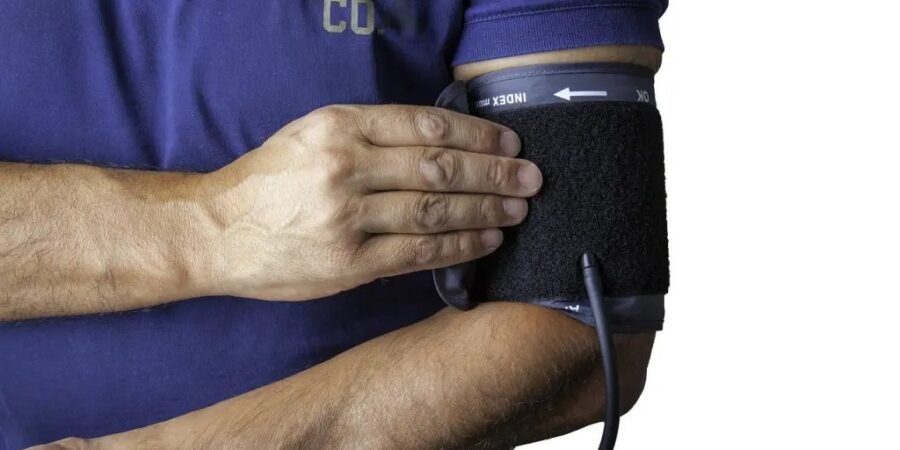
What’s the best way to lower blood pressure without medication? If your readings are creeping up — or you’ve been told you’re borderline hypertensive — lifestyle changes can genuinely bring numbers down, sometimes enough to avoid or delay medication. This isn’t alternative-medicine wishful thinking; it’s mainstream cardiology. Here’s what actually works, ranked by impact.
What is the best way to lower blood pressure without medication?
Below you’ll find a complete, practical breakdown of this topic: how it works, what to watch out for, and how to get the best outcome. We’ve kept the jargon out and focused on what actually helps — the kind of honest, experience-based advice that’s hard to find in official documents.
First: Know Your Numbers (and When to See a Doctor)
Blood pressure is measured as systolic/diastolic (e.g. 120/80). Roughly: under 120/80 is ideal; 120–139/80–89 is elevated (lifestyle-change territory); 140/90+ is high blood pressure (see your GP). 180/120+ with symptoms (chest pain, severe headache, vision changes) is a medical emergency — call 999.
Important: this guide is for elevated or mildly high blood pressure. If you’ve been prescribed medication, don’t stop it — talk to your GP about whether lifestyle changes could reduce your need. And get a proper diagnosis first: single high readings can be “white coat” anxiety. The NHS guidance on high blood pressure explains testing properly.
The 10 Changes That Move the Needle
1. Lose excess weight (biggest single lever)
Blood pressure rises with body weight — and falls as it drops. Even 5–10% weight loss produces measurable improvements. The effect is so reliable it’s the first thing doctors mention.
2. Cut salt — properly
UK adults average around 8g of salt daily; the target is under 6g. Most salt comes from processed food, not your salt cellar: bread, bacon, ready meals, takeaways, cheese. Read labels, cook more from scratch, and give your palate 2–3 weeks to adjust — it will.
3. Exercise regularly
Around 150 minutes of moderate activity weekly (brisk walking counts) can lower systolic pressure by 5–8 points. Consistency beats intensity — a daily 25-minute walk outperforms a heroic monthly gym session. Our beginner workout guide helps you start safely.
4. Eat the DASH way
The DASH diet (fruit, vegetables, whole grains, lean protein, low-fat dairy, limited saturated fat) is the best-evidenced eating pattern for blood pressure — trials show drops of 8–11 points in hypertensives. You don’t need the formal diet; just eat more plants, less processed food.
5. Limit alcohol
Alcohol raises blood pressure dose-dependently. Cutting back — or cutting out — is one of the fastest-acting changes. The UK guideline is under 14 units a week, but less is better for blood pressure specifically.
6. Quit smoking
Every cigarette spikes blood pressure temporarily; long-term smoking damages arteries permanently. Quitting is the single best thing a smoker can do for cardiovascular health, full stop.
7. Manage stress (for real, not just “relax”)
Chronic stress keeps pressure elevated. What works: regular exercise, adequate sleep, and actual stress management — not just being told to relax. If stress is constant, our burnout guide may resonate.
8. Sleep properly
Less than 6 hours regularly is linked to higher blood pressure. Sleep apnoea is a particularly strong driver — loud snoring plus daytime exhaustion deserves investigation. (See our sleep guide.)
9. Cut back on caffeine (if sensitive)
Caffeine spikes pressure temporarily; regular drinkers develop tolerance, but if your readings are borderline, test a lower-caffeine fortnight and see.
10. Monitor at home
A validated home blood pressure monitor (£25–£50) lets you track trends, identify triggers, and arrive at GP appointments with real data. Measure properly: seated, rested 5 minutes, same time of day, multiple readings.
What About Supplements and “Natural” Remedies?
Honest answer: most have weak evidence. Potassium (from food, not pills, unless advised), beetroot juice, and garlic have modest trial support — but none substitute for the big levers above. Be wary of anything promising dramatic results; and check interactions with any medication you’re on.
The Realistic Plan
Don’t attempt all ten at once. Pick the two or three with the biggest gap in your life — usually weight, salt, and activity — and work those for a month. Re-measure. The numbers moving is powerfully motivating, and motivation sustains the rest.
Blood pressure responds to lifestyle more reliably than almost any other health metric. That’s genuinely good news: it means the power is largely in your hands. Use it — and keep your GP in the loop so your progress is properly recorded and any medication decisions are made with full information.
Looking After Yourself: What Comes Next
Information is a starting point, not a treatment plan. Here’s how to use what you’ve learned wisely.
Know when to see a professional. This article covers general information, but it can’t assess your individual situation. See your GP or pharmacist if symptoms persist, worsen, or worry you — that’s what they’re there for, and early action almost always leads to better outcomes.
Use reliable sources. Health information online varies wildly in quality. The NHS website, NICE guidance, and established health charities are trustworthy; random forums, social media anecdotes, and miracle-cure claims are not. When in doubt, check with a clinician rather than the internet.
Be cautious with AI health advice. AI tools can help you organise your thoughts and understand general concepts, but they can’t examine you, don’t know your medical history, and sometimes state incorrect medical information with complete confidence. Use them to prepare for appointments, not to replace them.
Small steps beat grand plans. Health improvements come from consistent small changes, not dramatic overhauls that collapse by February. Pick one actionable step from this article and start there. Build the habit, then add the next one.
Look after the foundations. Sleep, movement, nutrition, and social connection underpin almost every health outcome. They’re unglamorous, they’re mostly free, and they work — whatever specific issue brought you here, the basics amplify everything else you do.
Key Takeaways
- This guide is information, not medical advice — see a clinician about personal concerns.
- Act early: most health issues are easier to address sooner rather than later.
- Stick to trustworthy sources like the NHS for health information.
- Small, consistent changes outperform dramatic overhauls.


[…] sleep enough, and know your blood pressure and cholesterol. No scan replaces those. (Our blood pressure guide and sleep guide cover the […]