Best UK National Parks for Hiking Beginners
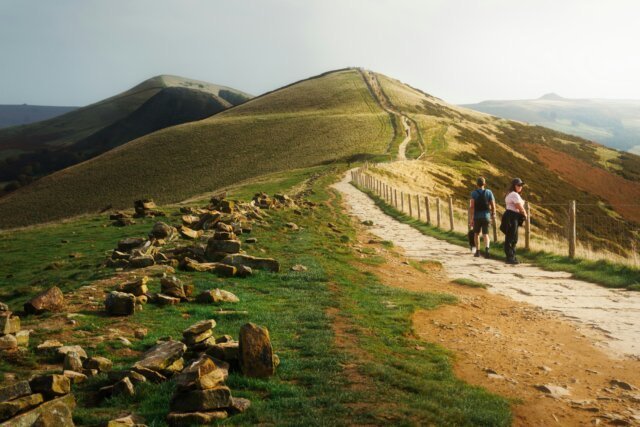
Britain’s national parks are made for beginners — you don’t need to be a mountaineer to experience genuinely spectacular walking. The best UK national parks for hiking beginners offer waymarked trails, manageable hills, tea rooms at strategic intervals, and scenery that makes you feel like a proper explorer without requiring actual exploration skills.
I’ve walked in all of them. Here’s where to start, whatever your fitness level.
The Friendliest Parks for New Walkers
The South Downs is arguably the perfect beginner park: gentle chalk hills, excellent waymarking, villages with pubs every few miles, and the South Downs Way offering sections as short or long as you like. You get big-sky views and a real sense of journey without any technical difficulty.
The New Forest is similarly gentle — flat, waymarked, with the magic of ponies and ancient woodland, and Brockenhurst as a perfect base. The Peak District’s White Peak area (the southern limestone dales) offers gorgeous valley walks on clear paths — Monsal Trail (a former railway line, flat and easy) is ideal for building confidence. And the Norfolk Broads aren’t a walking park per se, but the flat, waterside paths are perfect for the most tentative beginners.
What Are the Best UK National Parks for Hiking Beginners?
Once you’ve got a few walks under your belt, these parks offer beginner-friendly routes with bigger rewards:
- Lake District: stick to the valley walks (Rydal Water, Tarn Hows, Derwentwater circuit) — stunning without the fells. Avoid the high routes until you’re ready.
- Snowdonia (Eryri): the lower slopes and lake paths (Llyn Idwal, Aber Falls) are gorgeous and manageable; save Snowdon itself for later.
- Yorkshire Dales: the dales valleys (Wharfedale, Wensleydale) have gentle riverside paths between villages with tea rooms.
- Dartmoor: the edges and lower moor walks are fine for beginners; the open high moor needs navigation skills — build up to it.
- Loch Lomond & Trossachs: loch-side paths and lower hills with huge scenic payoff for modest effort.
Beginner Kit: Less Than You Think
You don’t need £500 of gear to start. The essentials: broken-in walking shoes or boots (trainers are fine for easy paths in dry weather), a waterproof jacket (British weather, always), layers, water, snacks, a phone with offline maps (download the area beforehand), and a small first-aid kit. That’s it for day walks on waymarked trails.
Add as you progress: walking poles (kind to knees, especially downhill), a proper daypack, a paper map and compass once you venture beyond waymarked paths (and learn to use them — a course or a knowledgeable friend is worth it). Buy decent waterproofs before fancy boots; being dry matters more than ankle support on easy trails.
Building Up Safely
The beginner’s progression: start with short waymarked loops (3-5 miles), build to full-day walks (8-12 miles) on clear paths, then try your first hill or mountain with a well-trodden route (Mam Tor, Helvellyn via Striding Edge is NOT a beginner route — try Catbells or Latrigg first). Always check the weather forecast (mountain weather changes fast), tell someone your route, and turn back if conditions deteriorate — the hill will be there next time.
Joining a walking group (Ramblers local groups welcome beginners warmly) accelerates everything: route knowledge, confidence, company, and learning from experienced walkers. Many lifelong hikers started with a single Ramblers walk. The national parks are waiting — start easy, build steadily, and enjoy every step.
Navigation Basics Every Beginner Should Learn
Here’s the skill that separates confident walkers from anxious ones: basic navigation. You don’t need to become a mountaineer — but learning to read an OS map, take a bearing, and follow a route transforms your walking. Start with the map: understand contours (close together = steep), rights of way (green dashed lines), and how to orient the map to the land around you. Practice on familiar, easy walks first — navigate a route you already know, and the skills bed in without pressure.
Then add the compass: taking a bearing sounds technical but takes ten minutes to learn and works when phones die (cold kills batteries fast on hills). The combination — map, compass, and the knowledge to use them — is genuine freedom: you can venture beyond waymarked paths, handle fog and fading light, and walk with the quiet confidence that comes from self-reliance. Take a navigation course (many are one-day, affordable, and fun) or learn from an experienced friend. It’s the single highest-value skill in hiking — more important than any gear purchase, and it lasts a lifetime.
- Learn contours: the single most useful map skill — read the shape of the land from the lines.
- Orient the map: align map to the terrain before anything else — most navigation errors start here.
- Compass basics: ten minutes to learn, works when phones die — the essential backup.
- Practice easy first: navigate familiar walks — build skill without pressure or risk.
- Take a course: one-day navigation courses are affordable, fun and transformative.
- Phone as backup: offline maps are brilliant — but batteries die and signals vanish. Never rely solely on tech.
- Walking festivals: many national parks run annual walking festivals — guided walks, social atmosphere, new routes.
- Volunteer path work: join a path maintenance day — give back to the trails and get to know the trails intimately.
Start with the gentle parks, build your fitness and confidence, learn to navigate, and the whole country opens up — from valley strolls to mountain days. The national parks are Britain’s greatest free resource. Learn the skills, respect the weather, and walk into a lifetime of adventure. Britain’s national parks are a gift — free, spectacular, and waiting. Start easy, learn to navigate, build gradually. The hills will still be there when you’re ready; and when you are, they’ll change you.
The Takeaway
The best UK national parks for hiking beginners are the South Downs, New Forest and Peak District’s White Peak for the gentlest starts, with the Lakes, Snowdonia and Yorkshire Dales offering stunning next steps on valley paths. Start with short waymarked walks, invest in waterproofs first, and build up gradually — the hills aren’t going anywhere.
Keep reading: How Much Does a Weekend in the Lake District Cost for Two? · Best Hidden Gems in the Peak District: Beyond the Crowds · Best Time of Year to Visit the Cotswolds

