How Much Does It Cost to Install a New Front Door in the UK?
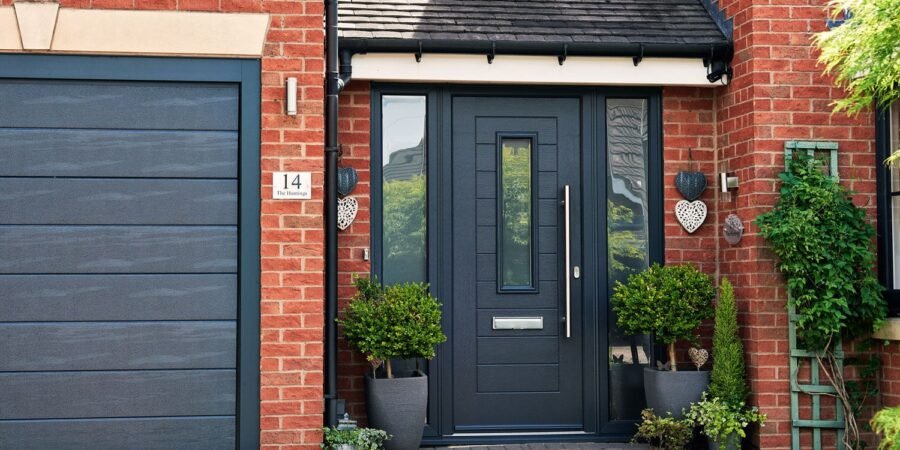
So how much does it cost to install a new front door in the UK? Fitted prices typically run £800–£2,000, with premium timber or aluminium doors reaching £2,500+. The door material is the biggest variable — installation labour is relatively consistent.
A front door does triple duty: security, insulation, and first impressions. Here’s what each door type costs fitted, what affects the price, and how to choose.
How Much Does It Cost to Install a New Front Door in the UK? By Material
- uPVC: £800–£1,400 fitted. The budget option — decent security and insulation, but limited styles and can look cheap on period properties.
- Composite: £1,000–£2,000 fitted. The UK’s most popular choice: timber-look styles, excellent security (multi-point locking standard), great insulation, zero maintenance. The sweet spot for most homes.
- Timber (hardwood): £1,500–£2,500+ fitted. Beautiful, especially on period homes — but needs regular painting/staining and can warp if neglected. Softwood is cheaper but less durable.
- Aluminium: £1,800–£3,000+ fitted. Slim, modern, incredibly strong — the architect’s choice for contemporary homes. Premium pricing to match.
- Steel security doors: £1,200–£2,500. Maximum security, limited aesthetics. For high-risk situations rather than kerb appeal.
What’s Included (and What Isn’t)
A proper fitted price should include: the door and frame, multi-point locking system, handles/letterbox/knocker (or allowances for them), removal and disposal of the old door, fitting, sealing and making good, and adjustment of the lock. Ask specifically about:
- Disposal of the old door: usually included, but confirm — some firms charge extra.
- Making good interior plasterwork: new frames rarely match old openings exactly. Who fills the gaps?
- Threshold and weatherproofing: critical for keeping draughts and rain out.
- Guarantee: 10 years on the door, 2–5 years on installation is standard. Get it in writing.
Security: What Actually Matters
- Multi-point locking is standard on composite and uPVC — non-negotiable in 2026.
- Anti-snap cylinders: lock snapping is a common burglary method. A 3-star anti-snap cylinder (£30–50 upgrade) defeats it. Insist on it.
- Secured by Design accreditation: the police-backed standard. Worth seeking out — some insurers offer discounts.
- Glazing: any glass in/around the door should be laminated or toughened. Avoid large clear glazed panels right next to the lock.
- Letterbox: get one with an internal draught-proof cover — it stops both cold air and “fishing” for keys through the letterbox.
Check Secured by Design for accredited products — it’s the most reliable security benchmark.
Composite vs Timber: The Honest Debate
Composite wins on: maintenance (wipe clean, never paint), security, insulation, cost over lifetime, and consistency. Modern woodgrain composites fool most people at 3 metres.
Timber wins on: authenticity (conservation areas and listed buildings often require it), repairability (sand and repaint vs replace), and that intangible solid feel. A quality hardwood door, maintained, lasts 50+ years.
My take: for most UK homes, composite is the rational choice. For period properties where character matters — especially where planning rules apply — timber is worth the upkeep. There’s no wrong answer, only trade-offs.
Getting It Fitted Right
- Get 3 quotes — national firms vs local independents. Locals are often significantly cheaper for equal quality.
- Measure twice: non-standard openings (common in Victorian houses) may need made-to-measure — add 2–4 weeks lead time and 15–25% cost.
- Timing: 2–4 hours for a straightforward replacement; a full day if the frame needs replacing or the opening needs work.
- Check FENSA/CERTASS registration for the installer — replacement doors fall under building regulations like windows.
- Never pay in full upfront. Deposit of 25–50% max, balance on satisfactory completion.
Front Doors: More Buying Advice
- Measure the brick-to-brick opening. Door sizes are standardised until they aren’t — Victorian openings vary wildly. Accurate measurements prevent expensive made-to-measure surprises (or rather, predict them).
- Consider the fanlight. Many Victorian terraces have fanlights above the door — replacing door + fanlight together looks far better than a new door under an old glazed panel.
- Think about the furniture. Handles, knockers, letterboxes and house numbers are the jewellery — budget £100–200 for quality ironmongery. Cheap furniture ruins an expensive door.
- Colour confidence. The front door is the one place to be bold — deep red, racing green, navy, black. A £30 tin of exterior paint transforms even a cheap door.
- Check the step and canopy. A grand new door above a crumbling step looks wrong. Budget for the threshold, step repairs and maybe a simple canopy — kerb appeal is the whole package.
- Smart doorbells need power. Planning a video doorbell? Battery models need regular charging; wired needs a transformer. Decide before the door goes in, not after.
Keep in Mind
Composite doors dominate the UK market for good reason — timber looks, minimal maintenance, excellent security and insulation, at £1,000–2,000 fitted. For most homes they’re the rational choice; timber suits period properties where authenticity matters.
- Anti-snap cylinders are non-negotiable — lock snapping takes seconds with standard cylinders. A £30–50 upgrade defeats it.
- Get three quotes — nationals vs local independents. Locals are often 20–30% cheaper for equal quality.
- Never pay in full upfront — 25–50% deposit maximum, balance on satisfactory completion.
The Short Version
£800–2,000 fitted covers most UK homes — composite for best all-round value, timber for period character, aluminium for contemporary looks. Anti-snap cylinders throughout, multi-point locking, Secured by Design where possible. Three quotes, FENSA-registered installer, deposit only — and a bold colour, because the front door is the one place to show personality.
- Budget £100–200 for quality ironmongery — cheap furniture ruins an expensive door.
- Dark uPVC in full sun expands dramatically — consider lighter colours or a canopy for south-facing doors.
You Might Also Like
- Best Way to Draught-Proof Old Sash Windows
- How to Choose the Right Size Rug for a Living Room
- How Much Does Central Heating Installation Cost in a UK Flat?
Choose Once, Choose Well
A new front door in the UK costs £800–£2,000 fitted for most homes — composite for the best all-round value, timber for period character, aluminium for modern looks. Insist on anti-snap locks, check guarantees in writing, and get three quotes. It’s the first thing visitors see and the last thing burglars should get through.

