How Do I Get My First Clients as a Freelance Graphic Designer
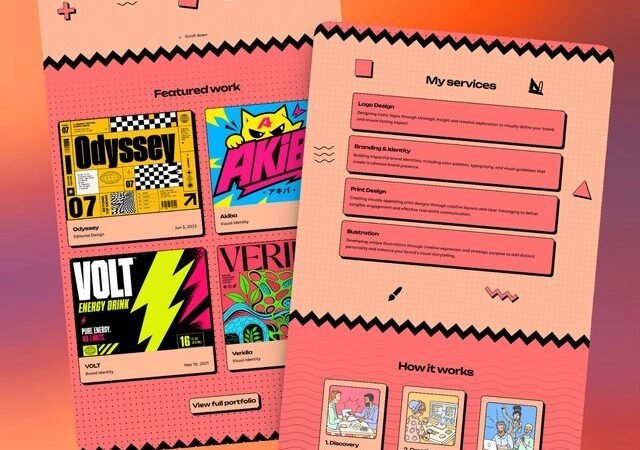
How do I get my first clients as a freelance graphic designer? The portfolio is ready, the website is live, and… silence. Every freelancer has lived through this gap between “open for business” and “actually busy”. I’ve watched designers cross it many times, and the pattern is consistent: the first clients come from direct outreach and relationships, not from waiting to be discovered.
Here’s the playbook.
How Do I Get My First Clients? The Portfolio First
Your portfolio is your only credential that matters. 8–12 strong pieces, not 40 mediocre ones. No client work yet? Make self-initiated projects: rebrand a fictional café, design packaging for an imaginary product, create a brand identity for a friend’s business free or cheap. Label them as concept work honestly — clients care about the quality of thinking, not whether someone paid for it.
Specialise early, even loosely. “Graphic designer” is invisible; “brand designer for food & drink startups” or “designer for fitness coaches” is memorable and referable. You can broaden later; specificity gets the first clients. Your own brand matters: a clean one-page site with portfolio, services, about, and contact — plus an active Instagram/Behance showing process, not just finished work. Clients buy the thinking as much as the output.
Price for the stage you’re at: research market rates (then price slightly below while building proof, not at the bottom — bottom-feeders attract nightmare clients). Never work entirely free for “exposure” from businesses that can pay; do take strategic cheap work for portfolio pieces and testimonials. What is Making Tax Digital and Does it Apply to My Business
Outreach: Where the First Clients Actually Come From
Warm network first: tell everyone — ex-colleagues, friends, family, university contacts — that you’re freelancing and what you do. The first 2–3 clients almost always come from people who already trust you. Make it easy: a short message with portfolio link and exactly what you offer.
Direct outreach (the unsexy engine): identify 50 ideal small businesses with weak design (outdated logos, DIY websites — they’re everywhere), and send personalised emails: one specific observation about their business, one specific idea, portfolio link, clear next step. Expect 5–10% response rates; that’s normal, not failure. Follow up once. This is a numbers game played with quality.
Freelance platforms, used strategically: Upwork, PeoplePerHour, Contra — competitive and price-pressured, but they do deliver first clients and testimonials. Treat them as a starting ramp, not a career: win work, get reviews, raise prices, graduate to direct clients. Local networking: business breakfasts, co-working spaces, creative meetups — designers get hired by people who’ve met them. GOV.UK: setting up as a freelancer
- Portfolio: 8–12 strong pieces, concept work counts
- Specialise loosely — memorable beats generic
- First clients come from warm network + direct outreach
- 50 personalised emails > 500 generic ones
- Use platforms as a ramp, not a permanent home
Keeping Them and Growing: The Unsexy Fundamentals
Over-deliver on the first projects. Early clients become testimonials, case studies, and referrers — treat a £200 logo like a £2,000 one. Ask for testimonials and referrals explicitly when they’re happy: “Who else do you know who might need this?” Process professionalism wins repeat work: clear quotes, contracts (even simple ones), timelines you meet, invoices sent promptly.
Raise prices with proof. Every 3–5 projects, nudge rates up. The designers who stay cheap stay cheap; the ones who raise prices as their portfolio strengthens build real businesses. Build recurring revenue: retainer arrangements (X hours/month for ongoing design needs), template/template-customisation packages, brand-guideline + asset packages that lead to follow-on work.
The mindset: freelancing is 50% craft, 50% business development — forever. The designers who thrive aren’t always the most talented; they’re the ones who kept doing outreach even when busy (so the pipeline never empties) and treated every client like a future referrer. Your first client is the hardest; your tenth comes from your first nine. How Much Does it Cost to Set Up a Limited Company in the UK PeoplePerHour — freelance marketplace
The Follow-Up System: Where Half the Work Comes From
Here’s the secret of working designers: most clients come from follow-ups, not first contacts. The system: after every project, schedule follow-ups at 1 month (“how’s the new branding performing?”), 3 months, and 6 months. Past clients with new needs hire the designer who checked in, not the one they have to go find.
Prospects who said no: follow up quarterly with something useful (not “just checking in” — share a relevant insight, a new portfolio piece in their sector). A third of “no”s become “yes” within a year when the timing changes. Keep a simple CRM — a spreadsheet works: name, last contact, next follow-up date, notes. Review it weekly; it takes 20 minutes and generates a staggering proportion of working freelancers’ revenue. The designers who complain about “feast or famine” almost always lack a follow-up system — famine is just the pipeline you didn’t maintain.
Top Tips at a Glance
- Portfolio quality > everything else at the start
- Tell your warm network first — trust converts fastest
- Personalised outreach at volume is the engine
- Over-deliver early; testimonials compound
- Raise prices every few projects as proof builds
Frequently Asked Questions
How much should I charge as a beginner freelance designer?
Research your market and niche, then price slightly below established rates while building proof — but never at the bottom. Day rates for UK juniors start around £150–£250; raise as your portfolio strengthens.
Should I work for free to build my portfolio?
Strategic free/cheap work for portfolio pieces and testimonials: yes. Free work for profitable businesses promising ‘exposure’: no. Concept projects you invent yourself are often better than bad free clients.
Are freelance platforms worth it for designers?
As a starting ramp, yes — they provide first clients, reviews and process practice. As a long-term home, usually no — direct clients pay better and the platform fees (5–20%) add up.
How do I stop the feast-or-famine freelance cycle?
Maintain business development even when busy — 2–3 hours/week of outreach and follow-ups keeps the pipeline full. Retainer clients smooth the curve further. Famine is almost always caused by stopping marketing during feasts.
Final Thoughts
Build a tight portfolio (concept work counts), specialise enough to be memorable, tell your warm network, then do personalised outreach at volume while using platforms as a ramp. Over-deliver on early work, harvest testimonials and referrals relentlessly, and raise prices as proof accumulates. The first client is the hardest — after that, it’s a system. How Much Should I Charge per Hour as a UK Web Designer