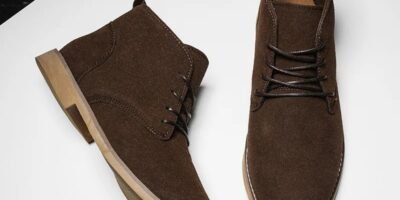
How Can I Stop New Shoes from Giving me Blisters? — A Practical UK Guide

How Can I Stop New Shoes from Giving me Blisters? New shoes shouldn’t be a blood sport — here’s how to break them in painlessly.
In brief: Blisters come from friction plus moisture — tackling both prevents most of them.
I’ve spent years figuring this out through trial, error, and one memorable fashion disaster involving a dry-clean-only coat in a rainstorm. Here’s the distilled version.
I’ve organised this the way I’d want to read it: the key principles first, then the detail, then the practical steps. Skim the headings if you’re in a hurry, or settle in with a cup of tea for the full version. No impossible standards here, just practical advice for real bodies and real budgets.
How Can I Stop New Shoes from Giving me Blisters? What the Guidance Says
Hydrocolloid blister plasters cushion far better than ordinary plasters. It sounds simple when you put it like that, but most wardrobes tell a different story. Breaking shoes in gradually — an hour at a time at home — prevents most damage.
A hairdryer softens stiff leather spots in minutes. For the official line behind this, see Which?’s independent clothing and footwear reviews. The wrong socks cause as many blisters as the wrong shoes.
A quick word on trends: they’re fun, but they’re designed to expire. Build your foundation on pieces that work year after year, then add one or two trend-led items per season if you fancy. Your wallet and your wardrobe will thank you. Most people skim past this kind of advice — don’t be most people.
Colour Without Fear
Most people wear far less colour than suits them, usually because of one bad experience years ago. But colour is one of the cheapest ways to look striking — it costs nothing extra and transforms the simplest outfit. The trick is finding your colours, not avoiding colour altogether.
Start small if you’re nervous: one colourful piece against neutrals you trust. Notice the compliments — people comment on colour more than on cut, because it’s the first thing the eye registers. Build from there, and within a season you’ll wonder why you ever hid in head-to-toe black.
The Details That Make the Difference
Worth remembering next time you’re standing in a changing room feeling uncertain. For the bigger picture, see What Should I Pack for a Weekend City Break in Autumn — the two topics overlap more than you’d expect.
- Blisters come from friction plus moisture — tackling both prevents most of them.
- Hydrocolloid blister plasters cushion far better than ordinary plasters.
- Breaking shoes in gradually — an hour at a time at home — prevents most damage.
- A hairdryer softens stiff leather spots in minutes.
- The wrong socks cause as many blisters as the wrong shoes.
Notice the theme running through that list? It’s all about deliberate choices rather than lucky finds. Good style is mostly decision-making — and decisions get easier with a clear framework like this one. Screenshot it for your next shopping trip — future-you says thanks.
A Practical Way Forward
Enough theory — here’s what I’d actually suggest you do, starting this week. None of this requires special equipment or a big budget, just a bit of consistency. For wider context, the BBC’s lifestyle coverage is worth a look too.
- Apply blister balm or Vaseline to hotspot areas before wearing.
- Wear moisture-wicking socks, never cotton, for long days.
- Ensure a thumb’s width at the toe; tight shoes always blister eventually.
- Stuff tight spots with newspaper overnight to stretch them gently.
- Keep blister plasters in your bag for the entire first month.
Start with whichever step appeals most — enthusiasm is a perfectly good guide here. The ‘right’ order matters far less than actually beginning. Small upgrades, worn often, beat a haul worn once.
The Traps to Watch For
What I’d do differently if I were starting over: spend the first month just observing what I actually reach for, before buying a single thing. That one habit would have saved me hundreds over the years — and a wardrobe full of ‘almost right’ pieces.
Lastly, revisit your wardrobe in a month. What felt unfamiliar at first often feels like ‘you’ by week four, and that’s when you can layer in the next change. Style is a practice, not an event. Your turn now — the reading is done, the doing starts.
If you found this useful, you might also want our take on How Can Men Look Sharp without Wearing a Suit — it covers the next question most people ask.
Your Questions, Answered
Do I need to follow trends to look good?
Not at all. Trends are optional seasoning, not the main course. A wardrobe built on fit, good fabrics and classic shapes looks sharp in any year — then add a trend piece or two if you enjoy them.
How often should I refresh my wardrobe?
A seasonal review — four times a year — is plenty. Clear out what you didn’t wear, note the genuine gaps, and shop with a list. Constant refreshing is how wardrobes fill up with expensive mistakes.
How much should I realistically budget for this?
Less than you think. Most of what’s in this guide is about choosing better, not spending more — and the priciest mistake in fashion is buying the wrong thing twice. Start with what you own, fill gaps deliberately, and let cost-per-wear guide the bigger purchases.
When is it worth paying a professional?
A good tailor is worth it for anything you love that doesn’t quite fit — usually £10 to £40 well spent. For big occasions or a total wardrobe reset, a one-off stylist session can pay for itself by preventing expensive mistakes.
The Bottom Line
The bottom line is simpler than the fashion industry wants you to believe: fit, fabric, and intention beat labels and trends every time. Get those three right and the rest is just details — enjoyable details, but details. Here’s to sharper, more confident outfits ahead.
Worth reading alongside this: What Are the Best UK Brands for Sustainable Fashion, which digs into a closely related problem.
One last thing: share this with a friend who’s always asking for style advice. Good information gets more valuable when passed around. Send it to one person today.