How to Make Christmas Decorations From Things at Home
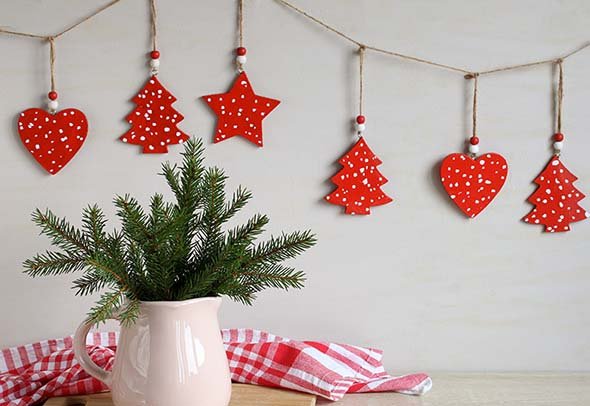
Shop-bought Christmas decorations are expensive, often plastic, and — let’s be honest — a bit soulless. Learning how to make Christmas decorations from things at home is cheaper, more sustainable, and produces decorations with actual character. Some of my favourite festive things are the slightly wonky handmade ones.
You don’t need to be crafty. You need scissors, string, and stuff that’s already in your house. Here’s what to make.
Natural Decorations (Free and Beautiful)
Nature does Christmas better than any shop. A foraging walk (parks, your garden, with permission) yields pinecones, interesting branches, holly, ivy and dried seed heads — all free. Spray pinecones gold or leave natural in a big bowl; arrange branches in a vase with fairy lights woven through; make a simple wreath from a bent coat hanger wrapped with ivy and fir.
Dried orange slices are the classic for a reason: slice thinly, bake low for a few hours, and you get translucent amber decorations that smell amazing and look stunning on the tree or in garlands. Thread them with cinnamon sticks and string for garlands that outperform anything from a shop.
How Can I Make Christmas Decorations from Things at Home?
Paper is the great equaliser of Christmas crafting — cheap, forgiving, and genuinely pretty when done right. Paper chains (strips of old magazines, wrapping paper scraps or brown parcel paper) are nostalgic and take an evening in front of the telly. Paper snowflakes from white paper or old book pages look delicate on windows.
Origami stars from square paper scraps make beautiful tree decorations; there are simple tutorials that take five minutes to learn. And paper garlands — circles, stars or trees strung on thread — fill big empty wall spaces festively for essentially zero cost. Old Christmas cards from previous years can be cut into gift tags or mini bunting: recycling with sentiment.
- Jar lanterns: old jam jars + tealights + ribbon = magical mantelpiece lighting.
- Fabric scraps: torn strips tied on string make rustic garlands; old jumpers become stockings.
- Kitchen roll stars: cardboard stars wrapped in foil or painted — kids love making these.
- Photo displays: print favourite yearly photos, peg to string with fairy lights — personal and free.
Upcycle What You’ve Got
Look at your house with festive eyes: wine bottles become candle holders (drip wax down them for the full effect), old baubles get a refresh with a coat of spray paint, mismatched mugs become tealight holders, and that ladder in the garage becomes a blanket-ladder Christmas display with lights.
Glass jars are endlessly useful: layer with Epsom salts ‘snow’, a tealight and some greenery for instant centrepieces. Old jumpers too worn to donate become cushion covers or stockings with basic sewing (or even no-sew glue). The constraint — using only what’s here — is what makes it creative.
Make It a Tradition, Not a Chore
The real magic of homemade decorations isn’t the money saved — it’s the making. Put on Christmas music, get the family (or friends, or just yourself with a mulled wine) involved, and spend an afternoon creating. Kids’ handmade decorations become the treasured ones you keep for decades; the slightly lopsided angel outranks the designer bauble every time.
Store them well (labelled boxes, tissue for fragile bits) and they become a growing collection — each year adding a few new pieces. In five years you’ll have a tree full of memories rather than a tree full of purchases. That’s the kind of Christmas money can’t buy.
Decorating With Kids (Without Losing Your Mind)
Homemade Christmas decorations with children are either magical or maddening, depending entirely on your expectations. The parents who enjoy it share one approach: they embrace the chaos. Cover the table (old shower curtain, newspaper, whatever), dress kids in old clothes, accept that glitter will be found in March, and focus on process over product. The wonky snowman your four-year-old made is infinitely more precious than the perfect one you could have made alone — and you both know it.
Choose age-appropriate projects: under-5s do sticking, painting and threading big beads; 5-8s can handle cutting, simple origami and salt-dough ornaments; over-8s can tackle proper crafts like wreath-making and paper stars. One project per session is plenty — attention spans are short and that’s fine. And display their creations prominately, not patronisingly: the tree’s front branches, the mantelpiece, the windows. A house decorated with children’s handmade things has a warmth no designer scheme can match. Years later, you’ll unpack those lopsided ornaments and feel something no shop-bought bauble ever gave you.
- Prep the space: cover everything, old clothes on, supplies within reach — chaos contained is chaos enjoyed.
- One project at a time: short sessions, single crafts — quit while everyone’s still happy.
- Age-match the craft: sticking for toddlers, cutting for primary age, real techniques for older kids.
- Display proudly: front of tree, mantelpiece, windows — their work deserves the good spots.
- Make it annual: one new handmade decoration per child per year becomes a treasured collection.
- Photograph the process: the making-of photos become as precious as the decorations themselves.
- Foraged greens: ivy, holly and fir from your own garden or with permission — free, fresh, and beautifully festive.
- Candle safety: beautiful as they are, never leave real candles unattended among homemade paper decorations.
Homemade Christmas decorations are never really about the decorations — they’re about the making: the music, the mess, the togetherness, the slightly burnt mince pies cooling while the glue dries. Do it for the afternoon, not the outcome. The decorations are just the souvenir. The most beautiful Christmas decorations aren’t bought — they’re made, with love and slightly sticky fingers. Start collecting ideas now, gather your materials, and make this the year the tree tells your family’s story.
The Takeaway
Making Christmas decorations from things at home means foraging natural materials, crafting with paper, upcycling jars and bottles, and turning the making into a festive tradition. It’s cheaper, more sustainable and more meaningful than shop-bought — and the wonky handmade ones always become the favourites.
Keep reading: How to Plan a Stress-Free Family Christmas on a Budget · How to Plan a Low Waste Lifestyle in the UK: A Realistic Guide · Best Way to Remember Birthdays and Anniversaries (Never Forget Again)