How to Get an Upgrade on a Long Haul Flight
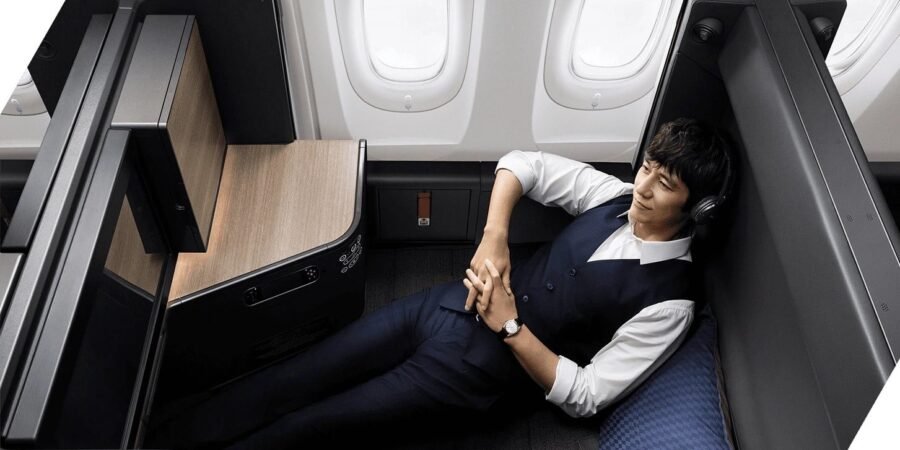
The dream: turning left instead of right, champagne instead of tiny plastic cups, arriving human instead of crumpled. Learning how to get an upgrade on a long haul flight won’t guarantee it — upgrades are part strategy, part luck — but the strategies genuinely shift the odds in your favour.
I’ve been upgraded (and watched others be) enough times to know what works. Here’s the honest playbook.
Loyalty: The Long Game That Actually Pays
The single biggest factor in upgrades is airline loyalty status. Airlines upgrade their own frequent flyers first — it’s the core perk of the programmes. If you fly regularly, concentrate your flying with one alliance, chase status deliberately, and use the airline’s credit card for everyday spending to accelerate points.
Even without top-tier status, being in the programme matters — a frequent flyer number on the booking beats an anonymous passenger when the gate agent is choosing. And book directly with the airline rather than third parties: direct bookings are prioritised for upgrades, and you can manage upgrade bids and requests properly.
How Can I Get an Upgrade on a Long Haul Flight?
Many airlines now sell upgrades via bidding systems — after booking economy, you’ll get an email inviting you to bid for business or premium economy. The sweet spot is bidding slightly above the minimum on less-busy flights (midweek, off-peak seasons). Bids of 20-30% above minimum often succeed when cabins are empty.
Also watch for: upgrade offers at online check-in (airlines sell unsold premium seats cheaply in the 24 hours before departure), paid upgrades at the airport (ask at check-in — ‘are there any paid upgrades available?’ — prices drop as departure nears if seats remain), and premium economy as a stepping stone (much cheaper than business, often upgradeable further).
- Fly off-peak: Tuesday/Wednesday flights, red-eyes, and off-season dates have emptier premium cabins — your best odds.
- Dress smartly: the myth has some truth — looking presentable doesn’t hurt when agents choose.
- Travel solo: single spare seats are far more common than pairs — solo travellers get upgraded most.
- Be nice: genuinely — gate agents upgrade pleasant passengers; entitlement gets you nothing.
- Volunteer strategically: on overbooked flights, volunteering your seat can earn vouchers or rebooking in a higher cabin.
Points and Miles: The Real Upgrade Engine
The most reliable path to premium cabins is points — credit card sign-up bonuses, everyday spending on the right card, and airline shopping portals accumulate faster than people expect. Upgrading an economy ticket with miles (rather than booking business outright) is often the best value use of points.
Learn your programme’s upgrade mechanics: some allow miles upgrades from any economy fare, others only from expensive fare classes (check before booking the cheap ticket). And consider ‘mixed cabin’ strategies — economy outbound, business return using points — to halve the cost of luxury. The points game has a learning curve, but for regular travellers it’s transformative.
Keep Expectations Honest
The truth: complimentary upgrades to business class are rare and getting rarer — airlines would rather sell the seat cheaply than give it away. Your realistic targets are: paid upgrades at good prices (often £200-500 on long haul — worth it for the sleep alone), successful bids, and points upgrades.
Premium economy deserves more love — it’s often 50-70% cheaper than business, significantly more comfortable than economy, and the upgrade that actually changes a long-haul flight from endurance to enjoyment. Whatever your strategy, never bank on an upgrade for a flight where you need the comfort (health, important meeting) — if it matters, buy the seat. Hope is not a strategy; but informed hope, with bids and points, comes surprisingly close.
Premium Economy: The Upgrade Sweet Spot
Let’s give premium economy its due, because for most travellers it’s the rational upgrade. Typically 50-70% cheaper than business class, it offers: significantly more legroom and recline, wider seats, better food and service, priority boarding on many airlines, and — crucially — the ability to actually sleep on overnight flights. On a 10-hour flight, the difference between economy and premium economy is the difference between arriving destroyed and arriving functional.
The upgrade economics favour premium economy too: it’s cheaper to buy outright, cheaper to upgrade into with cash or miles, and more frequently available for bids. Many experienced travellers consider it the sweet spot — business class is nicer, but the value-per-pound peaks at premium economy. If your upgrade budget is limited (and whose isn’t?), spend it here rather than gambling on a long-shot business bid. Arrive rested, spend the savings at your destination, and wonder why you ever suffered in economy. The cabin between cabins is, for most of us, exactly right.
- Value peak: 50-70% cheaper than business, most of the comfort gain — the rational choice.
- Sleep: the recline and space make real sleep possible — the core benefit on long-haul.
- Upgrade odds: cheaper to bid for, more often available — better expected value than business bids.
- Miles: fewer miles needed for premium economy upgrades — your points go further.
- Try before business: experience the upgrade path — many travellers find premium economy sufficient.
- Sale fares: premium economy sales can approach economy prices — watch for them.
- Empty-leg alerts: some services track unsold premium seats and alert you — the modern version of the airport upgrade ask.
- Companion upgrades: travelling with a high-status companion? Their guest privileges sometimes extend — it never hurts to ask.
Chasing upgrades is fun, but keep it rational: loyalty for the long game, bids and paid offers for the opportunistic, points for the strategic — and premium economy as the sweet spot where comfort meets sanity. Fly smart, sleep well, arrive human. The left turn is nice; the smart turn is nicer. Upgrades are part strategy, part timing, part luck — but the strategies genuinely move the odds. Build loyalty, bid smart, fly off-peak, and enjoy the left turn when it comes. And when it doesn’t, premium economy is waiting.
The Takeaway
Getting an upgrade on a long haul flight means playing the long game with loyalty status, bidding smartly on empty flights, using points strategically, asking about paid upgrades at check-in, and flying off-peak solo. Free upgrades are rare — but cheap ones are common if you know where to look.
Keep reading: How to Travel With a Baby on a Long Haul Flight: Survival Guide · What to Do If Your Flight Is Cancelled at the Airport · How to Find Cheap Flights From the UK to Europe

