Can AI Plan Your Weekly Meals From What’s in Your Fridge?
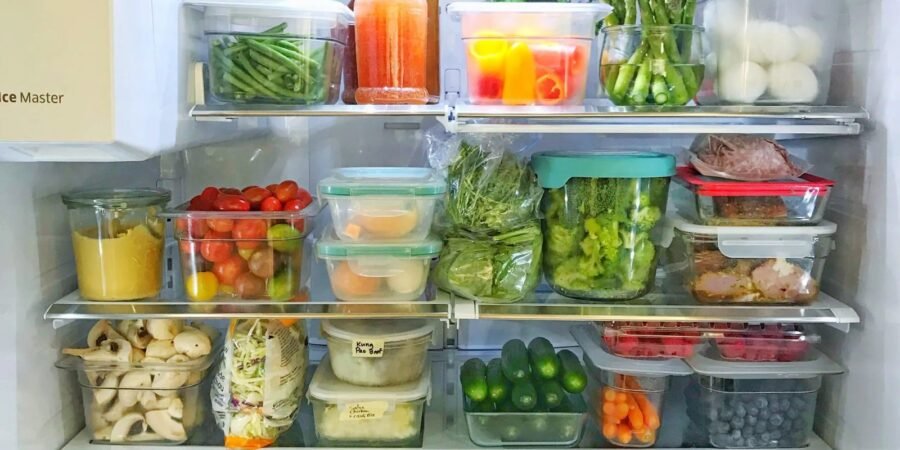
Can AI plan your weekly meals based on what’s in your fridge? Yes — and it’s one of those AI uses that sounds like a gimmick until you try it, at which point it becomes a weekly habit. Fewer “what’s for dinner?” crises, less food waste, lower grocery bills. Here’s exactly how to do it.
Can AI plan my weekly meals based on what is in my fridge?
Below you’ll find a complete, practical breakdown of this topic: how it works, what to watch out for, and how to get the best outcome. We’ve kept the jargon out and focused on what actually helps — the kind of honest, experience-based advice that’s hard to find in official documents.
How It Works: The Basic Method
- List what’s in your fridge (and cupboards). Just type it out — “chicken thighs, half a cabbage, eggs, rice, soy sauce, two peppers going soft, feta, tortillas”. Don’t overthink it; approximate is fine.
- Add your constraints. Number of people, dietary needs, how much cooking you actually want to do (“30 minutes max on weeknights”), budget, and anything you’re trying to use up.
- Ask for the plan. “Plan 5 weeknight dinners using these ingredients, minimising extra shopping. Include a shopping list for anything missing.”
- Refine it. “Tuesday’s too heavy — swap it.” “The kids won’t eat cabbage; hide it or replace it.” Two rounds of tweaks usually nails it.
That’s the whole technique. The magic is that AI is good at the combinatorial puzzle humans find exhausting: given these ingredients and these constraints, what’s a good week of eating?
The Prompt That Gets the Best Results
Try this template:
“Plan dinners for Monday to Friday for 2 adults and 2 kids (ages 8 and 11, one fussy eater). Here’s what I have: [list]. I want to spend under £60 on extra groceries, keep weeknight cooking under 30 minutes, and use up the peppers and feta before they go off. Give me the meal plan plus a shopping list organised by supermarket section.”
Specific constraints = specific, usable plan. Vague prompts get vague meal plans.
Beyond the Fridge: Full Weekly Planning
- Batch cooking plans: “Plan a Sunday batch-cook session (2 hours) that covers 4 weeknight dinners for a family of 4.”
- Budget challenges: “Feed 2 adults for a week on £40 using mostly store-cupboard staples plus fresh veg.”
- Dietary goals: “High-protein weeknight meals, 30g+ protein each, under 600 calories” — AI handles the nutritional maths (spot-check it, though).
- Using up odds and ends: the “clean out the fridge” prompt before a holiday or big shop is a food-waste killer.
- Lunchbox ideas: parents, this one’s a lifesaver — “5 packed lunch ideas for an 8-year-old, nut-free school, minimal prep”.
The Food Waste Angle (This Is the Big Win)
The average UK household throws away a shocking amount of food — and most of it is the “forgotten at the back of the fridge” kind. AI meal planning attacks exactly this: it sees the whole inventory and designs around using things up. Users consistently report their food waste dropping noticeably. It’s good for the wallet and the planet, which is a rare combination.
Limitations to Know
- Nutritional claims need checking. AI’s calorie and macro estimates are approximate. Fine for general healthy eating; not for medical diets — check with a professional for those.
- It doesn’t know your taste. The first plans will include things you hate. Tell it (“we never eat mushrooms”) and it remembers within the conversation.
- Allergies: verify, don’t trust. AI is good at avoiding listed allergens but always double-check recipes yourself. Allergen safety is too important for blind trust.
- Seasonality and prices vary. AI might suggest asparagus in December. Apply common sense.
Make It a Weekly Ritual
The people who get most from this do it Sunday evening: 10 minutes listing the fridge, 5 minutes generating the plan, one organised shop. Pair it with our guide to AI household task tracking and the domestic admin practically runs itself.
Start tonight: open your fridge, type what you see into a chatbot, and ask what’s for dinner this week. It’s the rare AI trick that’s immediately, practically, deliciously useful.
Getting the Most From AI — Safely
AI is a powerful helper here, but a little know-how separates great results from mediocre ones. These principles apply whatever you’re using it for.
Be specific in your prompts. The single biggest factor in AI output quality is input quality. Include your context, your constraints, and what a good result looks like. A vague request gets generic advice; a detailed one, tailored to your situation, gets something you can actually use.
Verify important outputs. AI writes confidently about things it has wrong — dates, prices, rules, facts. Treat AI output as a smart first draft, not a final answer. Cross-check anything that matters (money, legal, health, or anything you’ll publish or act on) against authoritative sources.
Protect your privacy. Don’t paste personal details, financial information, or other people’s data into free AI tools unless you’ve checked the privacy settings and opted out of training. The convenience isn’t worth the exposure, and it takes two minutes to check.
Keep the human in charge. AI suggests; you decide. That’s the right relationship here and everywhere else — especially where judgement, ethics, or accountability are involved. The people getting the best results from AI aren’t the ones who delegate most to it; they’re the ones who direct it best.
Stay current. AI tools change fast — new features, new limits, new best practices. What works today might be outdated in six months. A quick check of current guidance now and then keeps you getting the best from the tools rather than coasting on old habits.
Key Takeaways
- Be specific with AI tools — detailed, contextual prompts get dramatically better results.
- Always verify AI output on anything important: facts, figures, and advice.
- Protect your privacy: check settings and avoid sharing sensitive data with free tools.
- Keep humans in charge of decisions — AI advises, you decide.
You can find more authoritative information in Love Food Hate Waste’s food waste tips.
Related reading: AI household budgeting.

