Microplastics: Why They Matter and What You Can Do (UK)
Why should you care about microplastics for UK readers? The honest science on health risks, where your exposure comes from, and steps that genuinely help.
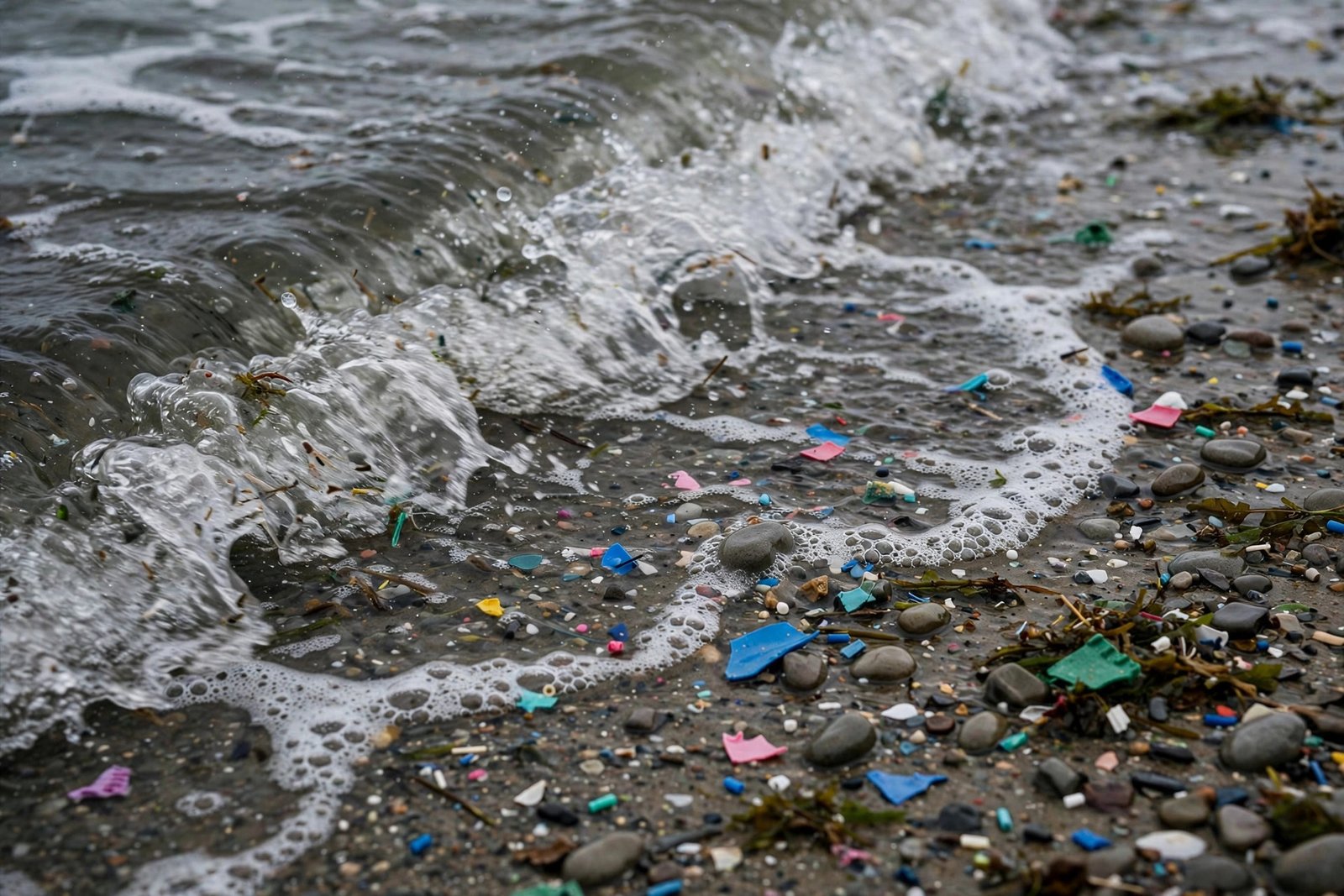
They are in the rain falling on the Lake District, in the fish on your plate, in bottled water, in human blood and breast milk. Microplastics — fragments smaller than 5mm — are now so pervasive that scientists use them as a geological marker of our era. The question UK readers increasingly ask is not “are they everywhere?” (they are) but “should I actually worry, and is there anything useful I can do?”
This guide gives the honest, evidence-based answer: what microplastics are, what the health science really says, where your personal exposure comes from, and the practical steps that genuinely reduce it.
What Microplastics Are (and Where They Come From)
Microplastics come in two flavours. Primary microplastics are manufactured small: microbeads (now banned in UK rinse-off cosmetics since 2018 — a genuine policy win), industrial pellets (“nurdles”) spilled in transport, and glitter. Secondary microplastics — the vast majority — are fragments of larger plastic breaking down: carrier bags, bottles, and fishing gear fragmenting under sun and waves over decades. Plastic does not biodegrade; it just gets smaller, forever.
The UK-specific sources may surprise you. The single biggest contributor to ocean microplastics is not packaging but tyre wear — every car journey sheds synthetic rubber particles, washed by British rain straight into waterways. Next: synthetic clothing — a single wash of polyester fleece can release hundreds of thousands of fibres, and UK wastewater plants catch only a fraction. Then paint flakes, artificial turf crumb, and agricultural films. Understanding sources matters because it tells you which personal actions actually move the needle.
The Health Question: What Does the Science Say?
Here is the honest state of play. Microplastics have been detected in human lungs, blood, placentas, and breast milk — exposure is universal in industrialised countries. Laboratory studies show that high doses of micro- and nanoplastics can cause inflammation, oxidative stress, and cellular damage in human cells and animals. But — and this is crucial — scientists have not yet established that the levels typical humans encounter cause disease. The World Health Organization’s assessment found no reliable evidence of harm at current exposure levels, while calling for more research.
How to think about this: absence of evidence is not evidence of absence, but neither is it a reason for panic. The sensible posture is the precautionary one — reduce exposure where cheap and easy, without expensive anxiety. Be deeply sceptical of products claiming to “detox microplastics” from your body; there is no evidence base, and some are outright scams. The Defra continues to fund UK research into health impacts, and its assessments remain the sober reference point.
Your Biggest Exposures (Ranked by What You Can Change)
Clothing and laundry
Your wardrobe is likely your largest personal source. Practical cuts: wash less often and cooler (30°C, full loads — less friction, fewer fibres), use a fibre-catching bag or filter (Guppyfriend bags or washing-machine filters capture a large share of fibres), choose natural fibres for new purchases where practical (cotton, wool, linen), and avoid tumble dryers for synthetics (heat and tumbling shed fibres into the air). Buying second-hand — already mainstream in the UK — extends garment life and avoids new-synthetic shedding at its peak.
Tyres and driving
You cannot eliminate tyre wear, but driving less, gentler (harsh braking and acceleration multiply wear), keeping tyres properly inflated, and choosing longer-lasting tyres all reduce it. This is one more reason active travel and public transport are environmental wins beyond carbon. Our guide to low-waste living covers the transport hierarchy in detail.
Food, water, and home
Microplastics in food mostly arrive via packaging and processing, not the food itself: cutting on plastic chopping boards sheds particles directly into meals (wood or glass boards are cheap swaps), heating food in plastic containers multiplies shedding (transfer to ceramic before microwaving), and tea bags — many UK brands still use plastic-sealed bags that release billions of particles per cup; loose leaf or plastic-free bags fix this instantly. For water, UK tap water is strictly regulated by the Drinking Water Inspectorate — a decent filter jug reduces particles further if it worries you, but bottled water typically contains more microplastics than tap.
What Actually Moves the Needle (Beyond Your Kitchen)
Personal action helps, but microplastics are a systems problem needing systems fixes — and the UK is moving. The microbead ban worked. Extended Producer Responsibility reforms make packaging producers pay for cleanup. The Global Plastics Treaty negotiations aim at production caps. What you can do at systems level: support washing-machine filter legislation (France now mandates them — the UK should follow), back deposit-return schemes (cutting litter at source), and vote with spending for brands reducing plastic at the design stage, not just the marketing stage.
And keep perspective in the kitchen: our article on reducing kitchen food waste tackles a problem — food waste’s methane and cost — where household action has proven massive impact. Do both, but do not let microplastic anxiety paralyse the higher-impact wins.
Microplastics and Children: What Parents Should Know
Parents understandably worry most about children — smaller bodies, developing systems, and a lifetime of accumulation ahead. The evidence-based picture: children do have higher exposure relative to body weight (more floor time, more hand-to-mouth behaviour, more dust ingestion — household dust is a significant microplastic vector), and the developmental window is precisely when precaution matters most. But the same uncertainty about health effects at background levels applies — there is no evidence of harm to children at typical exposures, only the same prudent case for reduction.
Practical, proportionate steps: damp-dust and vacuum regularly with a HEPA-filter vacuum (dust is the main indoor route for toddlers); choose wooden or silicone toys over cheap plastic for mouthing-age children where practical; avoid heating food in plastic containers or bottles (heat multiplies shedding — glass bottles and containers are cheap); and do not microwave plastic baby bottles — prepare formula in glass or cool boiled water before adding to plastic. Skip the expensive “detox” products marketed at anxious parents entirely. Calm, boring precautions beat expensive panic every time.
Conclusion
You should care about microplastics because they are a permanent pollutant accumulating in every ecosystem including your body — but care proportionally: the science does not support panic, and the highest-leverage actions are unglamorous (wash cooler, drive gentler, ditch the plastic chopping board, back filter legislation). Treat microplastics as one more reason to buy less plastic and wash smarter, not as a reason to fear your dinner. The particles are already everywhere; the question is whether we add fewer tomorrow than today.
Frequently Asked Questions
Are microplastics harmful to human health?
Not proven at typical exposure levels. They are found throughout the human body and cause harm in lab studies at high doses, but the WHO found no reliable evidence of disease from current exposures. Research is ongoing; a precautionary approach is sensible.
What is the biggest source of microplastics in the UK?
Tyre wear particles from vehicles, followed by synthetic clothing fibres from laundry. Both dwarf packaging as sources of environmental microplastics.
Do water filters remove microplastics?
Good quality filters (reverse osmosis, or certified carbon/ceramic jug filters) reduce microplastic particles in drinking water. UK tap water is already strictly regulated and typically contains fewer microplastics than bottled water.
Are plastic-free tea bags really better?
Yes for microplastics — many conventional tea bags release billions of plastic particles per cup when heated. Loose-leaf tea or certified plastic-free bags eliminate this source entirely.
Can I get microplastics out of my body?
There is no proven method to “detox” microplastics, and products claiming to do so lack evidence. Focus on reducing ongoing exposure rather than unproven cleanses.