How to Find Live Music Gigs in Your Area on a Budget
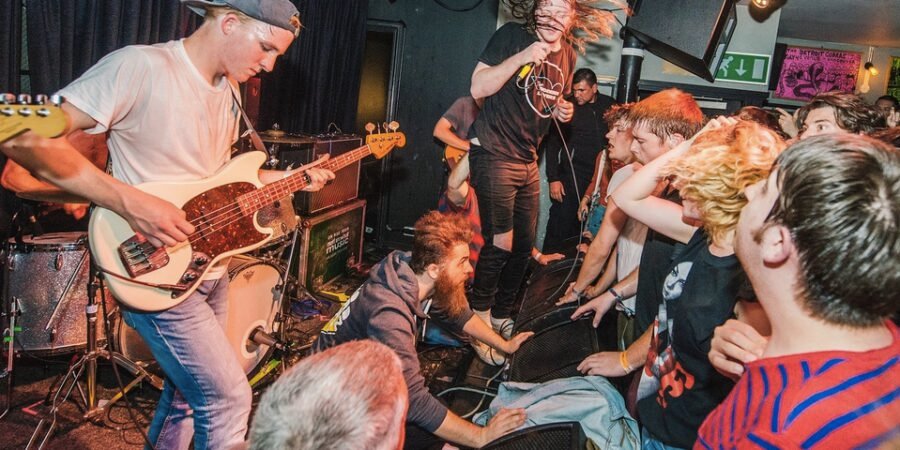
Live music doesn’t have to mean £80 arena tickets booked six months out. Some of the best gigs I’ve ever seen cost under a tenner in rooms holding 200 people. If you’re wondering how you can find live music gigs in your area on a budget, the scene is thriving — you just need to know where to look beyond the big ticket platforms.
How Can I Find Live Music Gigs In My Area On A Budget: Where To Look
- Songkick: track your favourite artists and it alerts you when they’re playing nearby — including the small support slots and warm-up shows that never make the headlines. Set your location and browse by date.
- Bandsintown: similar artist-tracking with good small-venue coverage. The ‘recommended for you’ feature surfaces local gigs by similar artists.
- Venue mailing lists: this is the insider move. Find your local 100–400 capacity venues (the ones with sticky floors and great sound) and join their mailing lists. Small venues announce shows to subscribers first, and early-bird tickets are often half the door price.
- Local listings and Facebook groups: search ‘[your city] live music’ or ‘gig guide’ — most cities have community-run gig listings that cover the grassroots scene the big platforms miss.
- Open mic and jam nights: free, weekly, and occasionally you witness someone extraordinary before anyone knows their name. Most towns have at least one.
- University and student union gigs: often open to non-students, cheap, and they book genuinely exciting up-and-coming acts.
- Pub gigs: the backbone of British live music. Free entry, local bands, and the occasional future star. Follow pubs with a music reputation in your area.
The support-slot trick
Here’s something promoters know: the support act at a £30 gig is often as good as the headliner and costs you nothing extra — but more importantly, many artists play tiny warm-up shows before tours, announced at short notice on social media. Follow local promoters and venues on Instagram; the £10 warm-up gig for a band that’ll be playing arenas next year is the best value in live music.
Keeping Gig Costs Down
- Book early: small-venue tickets often have tiered pricing — the first batch is cheapest.
- Go on weeknights: Tuesday/Wednesday gigs are cheaper and less crowded than Fridays.
- Skip the merch table (or don’t): buying a £20 t-shirt directly from a small band genuinely keeps them on the road — it’s the most ethical overspend in music.
- Travel smart: the gig might be £12 but the train is £40. Factor in total cost; sometimes the local pub gig wins.
For completely free options, see my guide to free gigs and concerts, and if you want to go deeper into fandom, keeping up with new releases means you’ll know about tours before they sell out. The grassroots scene is where music actually lives — get out there and see it.
Budget Gig FAQs
How do I find out about small gigs before they sell out?
Venue mailing lists are the insider channel — small venues email subscribers before public announcements, often with early-bird pricing. Follow local promoters on Instagram too; the £10 warm-up shows are announced at short notice and never make the big platforms.
What’s a reasonable price for a small-venue gig?
£8–£15 for local/emerging acts, £15–£30 for established touring bands in 200–500 capacity rooms. Anything under a tenner for live music is excellent value — compare it to £6 for a cinema ticket and the gig wins every time.
Is it okay to go to gigs alone?
Completely — small gigs are among the most solo-friendly nights out. Nobody notices, nobody cares, and you’ll often end up chatting to people. Some of the best gig experiences happen solo: arrive when you want, stand where you want, leave when you want.
How do I know if a band I’ve never heard of is worth seeing?
30-second rule: listen to their top track on Spotify. If it grabs you, go. Support acts and small bills are low-risk discoveries — and the ‘I saw them before they were famous’ story is priceless when they break through.
The Grassroots Ecosystem
Here’s why your tenner matters: grassroots venues operate on terrifyingly thin margins, and small bands often play for door splits that barely cover petrol. Your ticket, your bar spend, your merch purchase — that’s the entire economy keeping live music alive in your town. The Music Venue Trust exists because venues close every month without community support.
The reward for participating is disproportionate: the intimacy of a 200-cap room, the discovery of your new favourite band, the stories. Arena gigs are spectacles; small gigs are experiences. And when that band you saw for £8 headlines a festival three years later, you’ll dine out on it forever. Get in the room while it’s cheap.
The Bottom Line on Budget Gigs
The best value in live music isn’t the £80 arena ticket — it’s the £10 gig in a 200-capacity room where you discover your new favourite band. Venue mailing lists, Songkick alerts, local promoters on Instagram: that’s where the cheap, brilliant shows live. The support slot, the warm-up show, the Tuesday-night local bill — this is where music actually happens.
And your tenner matters more than you know. Grassroots venues run on terrifying margins; small bands play for door splits that barely cover petrol. Your ticket, your bar spend, your merch purchase — that’s the economy keeping live music alive in your town. Go to the gig. Buy the t-shirt. Tell a friend. The band you see for £8 tonight headlines the festival in three years, and you’ll dine out on it forever.
The weekday gig is the connoisseur’s move: Tuesday and Wednesday shows are cheaper, less crowded, and often better — the band is fresh, the crowd is there for the music, and you can actually get to the bar. Weekend gigs are social events; weeknight gigs are musical ones. If you love the music itself, the Tuesday slot in the 200-cap room is the best seat in the house, and it’s usually under a tenner.


[…] How to Find Live Music Gigs in Your Area on a Budget […]
[…] paid-but-cheap options, my budget gig guide covers the under-a-tenner scene, and supporting local artists explains why the grassroots scene […]