Best Energy Saving Upgrades for an Old UK Home
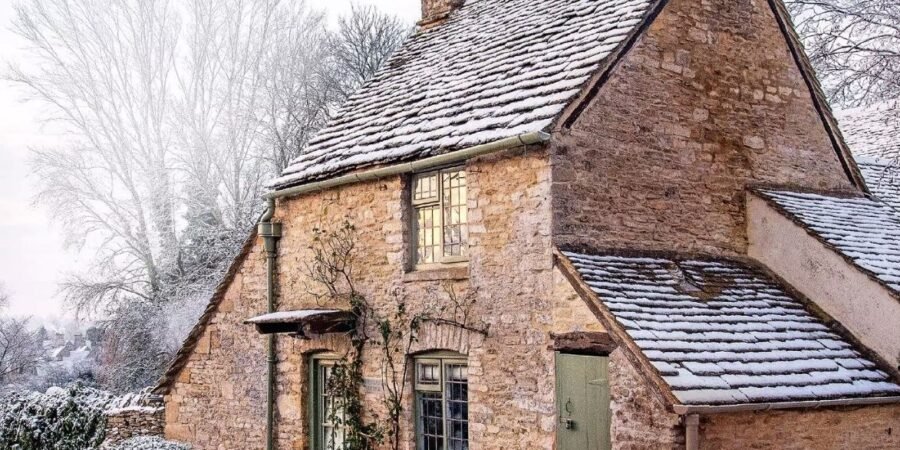
Asking what are the best energy saving upgrades for an old UK home? Britain has some of Europe’s oldest, leakiest housing stock — Victorian terraces, Edwardian semis, 1930s houses — and they can bleed heat (and money) in ways modern homes simply don’t.
The good news: old homes often have the most to gain, which means the payback on upgrades is faster. Here’s the definitive ranking, from the no-brainers to the big investments, with realistic costs and savings.
What Are the Best Energy Saving Upgrades for an Old UK Home? Ranked by Payback
- Loft insulation (to 270mm): £200–£800, saves £250–£350/year. Payback: 1–3 years. The undisputed champion.
- Draught-proofing: £200–£400 DIY or professional, saves £100–£200/year. Old houses leak air like sieves — windows, doors, floorboards, chimneys.
- Heating controls upgrade: £200–£400 for smart thermostatic radiator valves + smart thermostat, saves £150–£250/year. Heating empty rooms is pure waste.
- Hot water cylinder insulation: £25 for a jacket, saves £70+/year. Absurd return on investment.
- LED lighting throughout: £100–£200, saves £60–£100/year. Also: they last a decade.
- Cavity wall insulation (if you have cavities — many old homes don’t): £800–£1,500, saves £200–£300/year.
- Double glazing: £4,000–£8,000, saves £150–£250/year. Slow payback (20+ years) but huge comfort gain. Secondary glazing (£300–£600/window) is the smarter option for period homes.
- Solid wall insulation: £8,000–£16,000, saves £300–£500/year. The big one — do it last, after everything cheaper.
Draught-Proofing: The Unsexy Hero
Old houses lose shocking amounts of heat to draughts — the Energy Saving Trust estimates draught-proofing saves around £110 a year for a typical home, but in a leaky Victorian it can be far more. Hit these spots:
- Windows: brush seals on sash windows, compression seals on casements. Sash draught-proofing (£200–£400/window professionally) also stops rattles.
- Doors: brush strips, letterbox seals, keyhole covers. A draughty front door is basically an open window.
- Chimneys: unused open chimneys are heat volcanoes. A chimney balloon or sheep (£25–£40) blocks the draught while remaining removable.
- Floorboards: seal gaps with flexible filler or have them professionally draught-proofed. Suspended timber floors leak enormous amounts of air.
- Loft hatch: insulate and draught-seal it. A bare hatch is a hole in your insulation.
Heating: Work Smarter, Not Hotter
- Smart thermostat + TRVs: heating the whole house to warm one room is madness. Smart TRVs let you schedule per-room. Tado, Hive and Honeywell all do the job.
- Boiler flow temperature: if you have a condensing combi, dropping the flow temperature to 55–60°C can improve efficiency significantly. Most are set far too high from installation.
- Service your boiler annually: £80–£100 keeps it efficient and safe. An unserviced boiler wastes fuel.
- Bleed radiators: free, takes an hour, and cold spots at the top of radiators mean you’re paying to heat air trapped inside them.
- Reflective panels behind radiators on outside walls: cheap (£20–£30 for a pack) and genuinely effective in old houses.
Grants and Funding: Don’t Pay Full Price
Before spending anything significant, check what funding you’re entitled to. The Great British Insulation Scheme covers insulation measures for eligible households. The Boiler Upgrade Scheme offers £7,500 towards heat pumps. Local councils run their own schemes — some offer free energy surveys and subsidised measures.
The GOV.UK energy efficiency pages list current schemes, and eligibility is wider than most people think. A free or subsidised measure transforms the payback maths completely — always check before you buy.
The Right Order (This Matters)
Do upgrades in this order: 1) Reduce heat loss (loft insulation, draught-proofing) → 2) Control the heat (thermostats, TRVs) → 3) Efficient generation (boiler/heat pump) → 4) Generate your own (solar PV).
Why the order matters: there’s no point buying an expensive heat pump for a house that leaks heat through an uninsulated loft — you’ll need a bigger, pricier system to compensate. Fabric first, always. And get an EPC assessment done; it’s the roadmap that shows exactly where your specific house loses energy.
Energy Saving: The Behaviour Changes (Free)
- Turn the thermostat down 1°C. Saves ~10% on heating bills. You genuinely won’t notice 1°C — but your wallet will.
- Heat the rooms you use. TRVs aren’t decoration — turn down radiators in unused rooms instead of heating the whole house for one living room.
- Shorter showers. Four minutes instead of eight halves your hot water energy. A £10 shower timer makes it a game, not a sacrifice.
- Wash at 30°C. Modern detergents work fine at 30°C for everyday laundry. Hotter washes are for bedding and illness, not jeans.
- Full loads only. Half-empty washing machines and dishwashers are energy poured down the drain. Wait for full — or use the half-load setting properly.
- Switch it off standby. The “vampire load” of devices on standby costs the average home £35–55 a year. Switched-off-at-the-wall is free money.
Good to Know
Smart meters don’t save energy by themselves — but the real-time display changes behaviour. Households with visible energy feedback typically cut usage 5–15%. If you have a smart meter, actually look at the display; if you don’t, request one — they’re free.
- Heating water is the biggest energy cost after space heating — shorter showers and full washing loads matter more than LED bulbs.
- Compare energy tariffs yearly — loyalty to suppliers is expensive. The cheapest fix is often just switching.
- Request a free home energy survey from your council — many offer them, and the tailored advice beats generic tips.
Remember This
Fabric first, always: insulate and draught-proof before upgrading heating systems. A heat pump in a leaky house needs to be oversized and expensive; the same house insulated needs a smaller, cheaper system that costs less to run. The order of work matters as much as the work itself.
- Check grants before spending — the Great British Insulation Scheme and Boiler Upgrade Scheme transform the maths.
- The cheap wins (loft insulation, draught-proofing, controls) pay back in 1–3 years. Start there.
You Might Also Like
- How Much Does Double Glazing Cost Per Window in the UK?
- How to Soundproof a Bedroom Wall Cheaply
- Best Flooring for a Busy Family Kitchen
Fabric First, Always
The best energy saving upgrades for an old UK home start with the cheap wins: loft insulation, draught-proofing and heating controls pay back in 1–3 years. Check grants before spending, do fabric improvements before new heating systems, and remember that comfort — not just bills — is half the reward. Old houses can be warm houses.


[…] green tariff — all cut your footprint without touching the fabric of the building. Our guide on energy-saving upgrades for older UK homes covers the renter-friendly options in […]