What Should Teenagers Wear to a School Prom in the UK? — What You Need to Know
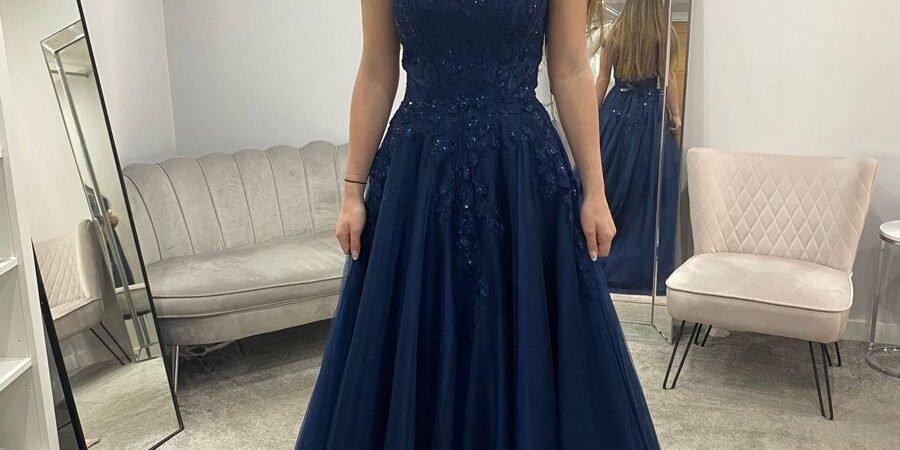
What Should Teenagers Wear to a School Prom in the UK? Prom is a milestone — the outfit should feel special without breaking the bank.
Quick answer: High-street prom dresses start well under £50 and photograph beautifully.
There’s a lot of snobbery in fashion writing. I don’t buy it — good style is mostly logic, fit, and knowing a few tricks. Here’s the practical take.
One thing I’ve learned writing about style: the fundamentals solve most problems. Trends get the attention, but fit, fabric and proportion do the actual work. Keep that in mind as you read. Think of what follows as a toolkit: take what you need, leave what doesn’t suit you.
What Should Teenagers Wear to a School Prom in the UK? The Real Story
Pre-loved and rental options deliver designer looks at a fraction of the price. That one insight separates people who always look put-together from everyone else. Comfort matters enormously — they’ll be wearing it for six-plus hours.
Some schools restrict necklines and hemlines, so check the rules first. For the official line behind this, see MoneySavingExpert’s shopping and deals guides. For suits, high-street tailoring with a proper fit beats expensive-but-baggy.
Context matters enormously — your job, your social life, your climate, your body. Advice that ignores your actual life is just fantasy. Filter everything below through the reality of your week, and it’ll serve you far better. Get this right and everything downstream gets easier.
Playing the Long Game
Style compounds like interest. The well-fitting blazer you buy this year still works in five; the trend piece is landfill by spring. Every purchase is a vote for the wardrobe you’ll have in three years — so vote deliberately. Cost-per-wear is the only honest measure of value in fashion.
Think in years, not seasons. Before buying, ask: will I still want this in twenty wears? Can I name three outfits it completes? If the answers are yes, it’s probably sound at almost any price. If not, it’s an impulse wearing a disguise.
The Logic Behind It
It sounds simple when you put it like that, but most wardrobes tell a different story. If you found this useful, you might also want our take on How Can I Find Modest Fashion Options on the UK High Street — it covers the next question most people ask.
- High-street prom dresses start well under £50 and photograph beautifully.
- Pre-loved and rental options deliver designer looks at a fraction of the price.
- Comfort matters enormously — they’ll be wearing it for six-plus hours.
- Some schools restrict necklines and hemlines, so check the rules first.
- For suits, high-street tailoring with a proper fit beats expensive-but-baggy.
If that list feels like a lot, don’t overhaul everything at once. Pick the two points most relevant to your wardrobe right now and start there. Style evolves; it doesn’t need to transform overnight. Simple frameworks beat complicated rules every time.
Doing It Properly, Without the Fuss
Enough theory — here’s what I’d actually suggest you do, starting this week. None of this requires special equipment or a big budget, just a bit of consistency. For wider context, GOV.UK’s consumer rights information is worth a look too.
- Start shopping early for the best selection of sizes.
- Break the shoes in thoroughly before the night.
- Do a full trial run: dress, shoes, hair and accessories together.
- Bring flats for the dancing — feet will thank you.
- Choose something they’ll still like in photos ten years from now.
Give any change at least three outings before judging it. New looks feel strange at first; that’s unfamiliarity, not failure. Your future self — the well-dressed one — is counting on today’s choices.
Where It Usually Goes Wrong
I’ll be honest: the biggest mistake I see is buying for the person you wish you were instead of the life you actually live. That aspirational wardrobe just gathers dust — and guilt. Buy for your real routines and you’ll wear everything you own.
Another common error: collecting inspiration instead of acting on it. Saving a hundred outfit photos changes nothing — the value only appears when you try something. Close this tab and take one concrete step today, however small. Bookmark this guide and revisit it before your next big shop.
Worth reading alongside this: What is the Best Way to Fold Clothes to Save Drawer Space, which digs into a closely related problem.
Your Questions, Answered
Can I really do this on a tight budget?
Absolutely — some of the best-dressed people I know spend the least. Charity shops, resale apps, tailoring cheap finds, and simply maintaining what you own: that’s a complete strategy, and it costs very little.
Do I need to follow trends to look good?
Not at all. Trends are optional seasoning, not the main course. A wardrobe built on fit, good fabrics and classic shapes looks sharp in any year — then add a trend piece or two if you enjoy them.
How often should I refresh my wardrobe?
A seasonal review — four times a year — is plenty. Clear out what you didn’t wear, note the genuine gaps, and shop with a list. Constant refreshing is how wardrobes fill up with expensive mistakes.
When is it worth paying a professional?
A good tailor is worth it for anything you love that doesn’t quite fit — usually £10 to £40 well spent. For big occasions or a total wardrobe reset, a one-off stylist session can pay for itself by preventing expensive mistakes.
The Bottom Line
At the end of the day, good style is just a series of small, deliberate decisions. You don’t need a new wardrobe or a big budget — you need a clear head and the willingness to be honest about what works. Start with one change from this guide and build from there. You’ve got this — one deliberate choice at a time.
For the bigger picture, see How Do I Dress for Unpredictable Spring Weather in the UK — the two topics overlap more than you’d expect.
One last thing: revisit this guide before your next big shop. You’ll read it with completely different eyes. Experience changes everything.