What Are the Most Comfortable Heels for a Full Day Event? — What You Need to Know
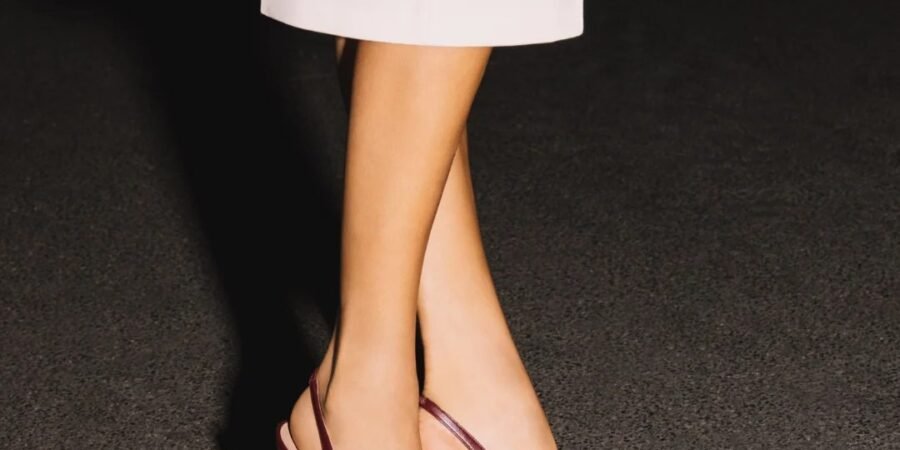
What Are the Most Comfortable Heels for a Full Day Event? All-day heels exist — they’re engineered, not just pretty.
The short version: Block heels distribute your weight far better than stilettos.
There’s a lot of snobbery in fashion writing. I don’t buy it — good style is mostly logic, fit, and knowing a few tricks. Here’s the practical take.
Before we dive in: there are no real rules here, only principles that tend to work. Your taste is yours, and confidence in your choices matters more than any guideline I could give you. I’ve kept the fashion jargon to a minimum — this is meant to be useful, not pretentious.
What Are the Most Comfortable Heels for a Full Day Event? The Real Story
A platform under the forefoot reduces the effective pitch of the shoe. Once you internalise that, shopping gets dramatically easier — and cheaper. Padded insoles and ankle straps prevent the slide-forward burn.
Heights of 5 to 7 centimetres are sustainable; 10cm-plus rarely is. For the official line behind this, see MoneySavingExpert’s shopping and deals guides. Feet swell through the day — always get fitted in the afternoon.
Where people usually go wrong is treating this as a shopping list rather than a thinking exercise. The goal isn’t to buy more; it’s to choose better. Half of good style happens before you ever reach a till. It’s a small mindset shift with an outsized payoff.
Fabric: The Quiet Power
Ask a tailor what separates good clothes from great ones and they’ll talk about fabric before anything else. It determines how a garment drapes, how it ages, how it feels at 6pm after a full day. Natural fibres and good blends behave better than cheap synthetics in almost every case — they breathe, they fall properly, and they look richer.
You don’t need to memorise fibre science. Just start touching fabrics when you shop — literally feel the difference between a good cotton shirt and a flimsy one. Within a month you’ll be able to judge quality by hand, and that single skill will transform what you bring home.
The Logic Behind It
Simple on paper, surprisingly rare in practice — which is why it works so well. Worth reading alongside this: How Can I Build a Capsule Wardrobe with 20 Pieces, which digs into a closely related problem.
- Block heels distribute your weight far better than stilettos.
- A platform under the forefoot reduces the effective pitch of the shoe.
- Padded insoles and ankle straps prevent the slide-forward burn.
- Heights of 5 to 7 centimetres are sustainable; 10cm-plus rarely is.
- Feet swell through the day — always get fitted in the afternoon.
If that list feels like a lot, don’t overhaul everything at once. Pick the two points most relevant to your wardrobe right now and start there. Style evolves; it doesn’t need to transform overnight. Simple frameworks beat complicated rules every time.
Doing It Properly, Without the Fuss
Enough theory — here’s what I’d actually suggest you do, starting this week. None of this requires special equipment or a big budget, just a bit of consistency. For wider context, GOV.UK’s consumer rights information is worth a look too.
- Break heels in at home with thick socks before the event.
- Add gel cushions under the balls of your feet.
- Alternate heel days with flats during the week to recover.
- Keep a pair of foldable flats in your bag as backup.
- Choose a secure fit — strapless heels that slip will destroy your feet.
Give any change at least three outings before judging it. New looks feel strange at first; that’s unfamiliarity, not failure. Your future self — the well-dressed one — is counting on today’s choices.
Where It Usually Goes Wrong
The trap to watch for is trend-chasing on a budget. One ‘must-have’ trend piece per season is plenty; the rest of your money goes much further on timeless basics that work year after year. Trends date, fit doesn’t.
And don’t compare your wardrobe to an influencer’s. Their job is content; yours is getting dressed for real life. Your only meaningful comparison is with your own outfits last season. Share it with a friend — style knowledge is better shared.
For the bigger picture, see What Are the Best Thermal Layers for Winter in the UK — the two topics overlap more than you’d expect.
Your Questions, Answered
Can I really do this on a tight budget?
Absolutely — some of the best-dressed people I know spend the least. Charity shops, resale apps, tailoring cheap finds, and simply maintaining what you own: that’s a complete strategy, and it costs very little.
Do I need to follow trends to look good?
Not at all. Trends are optional seasoning, not the main course. A wardrobe built on fit, good fabrics and classic shapes looks sharp in any year — then add a trend piece or two if you enjoy them.
How often should I refresh my wardrobe?
A seasonal review — four times a year — is plenty. Clear out what you didn’t wear, note the genuine gaps, and shop with a list. Constant refreshing is how wardrobes fill up with expensive mistakes.
When is it worth paying a professional?
A good tailor is worth it for anything you love that doesn’t quite fit — usually £10 to £40 well spent. For big occasions or a total wardrobe reset, a one-off stylist session can pay for itself by preventing expensive mistakes.
The Bottom Line
You don’t need to reinvent yourself to dress better. Pick the one or two ideas above that clicked for you and try them this week. Style is a skill, and like any skill it improves fastest when you actually practise it rather than just reading about it. Start today; your wardrobe will thank you.
If you found this useful, you might also want our take on How Do I Dress for a Job Interview at a Creative Company — it covers the next question most people ask.
One last thing: the best next step is the smallest one. Try it this week and let momentum do the rest. Tiny experiments beat grand overhauls every time.