How Much Water Should I Really Drink Each Day? — A Practical UK Guide
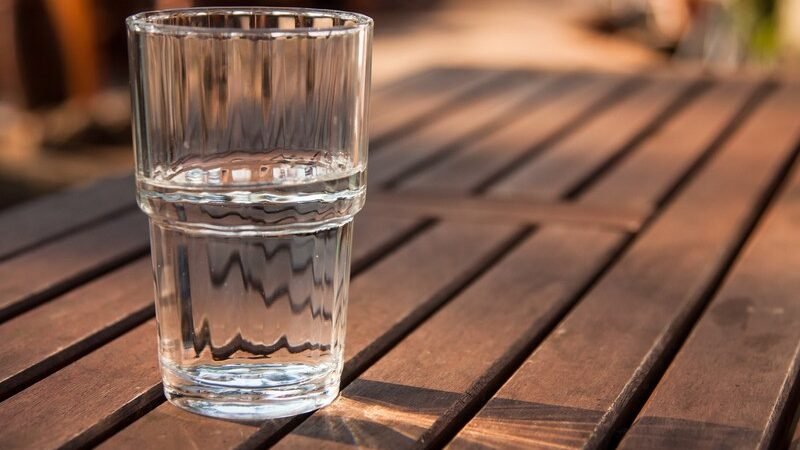
How Much Water Should I Really Drink Each Day? Forget the rigid eight-glasses rule — your body already tells you how much water it needs, if you know how to listen.
Quick answer: The European Food Safety Authority suggests around 2 litres a day for women and 2.5 litres for men, from all food and drink combined.
I’ve dug through the official guidance and the real-world experience on this, and the gap between the two is where most people get stuck. Here’s the version I wish someone had handed me at the start.
What follows isn’t a lecture. Think of it as the conversation you’d have with a knowledgeable friend who’s already made the mistakes for you — the practical stuff, the official guidance, and the honest caveats, all in one place. Read it once for the overview, then come back to the sections that matter most to you.
How Much Water Should I Really Drink Each Day? What You Need to Know
Roughly a fifth of your daily fluid typically comes from food — fruit, vegetables, soups and even yoghurt all count. It sounds simple when you put it like that, but most people I know get this bit wrong. Pale straw-coloured urine is the simplest reliable sign you’re drinking enough; dark yellow means drink more.
Your needs rise with exercise, hot weather, fever, breastfeeding, and salty or high-protein meals. For the official line behind this, see the NHS’s healthy living guidance. Overhydration is rare but real — guzzling litres in a short spell can dangerously dilute blood sodium.
It’s also worth saying what this isn’t: a replacement for professional advice. General guidance covers most people most of the time, but if your situation has complications — other conditions, medications, or symptoms that worry you — loop in your GP or pharmacist. That’s what they’re there for. File that away; it changes how you read the rest of this guide.
Getting the Timing Right
When you do something often matters as much as what you do. Morning light exposure sets your body clock; an evening walk aids digestion and sleep; taking medication at the same time daily turns the habit into something automatic. Look at the advice in this guide and ask not just ‘what?’ but ‘when?’ — then slot each habit into the part of your day where it fits most naturally.
Habit stacking is the practical trick here: attach the new behaviour to something you already do without thinking. Medication with breakfast, stretches while the kettle boils, a walk straight after lunch. The existing routine acts as the reminder, which means you spend no willpower on remembering — you just do it, and after a few weeks it feels odd not to.
The Detail Most Advice Skips
Worth sitting with that for a moment, because it changes how you approach everything below. If you found this useful, you might also want our take on How Do I Manage Back Pain from Sitting at a Desk All Day — it covers the next question most people ask.
- The European Food Safety Authority suggests around 2 litres a day for women and 2.5 litres for men, from all food and drink combined.
- Roughly a fifth of your daily fluid typically comes from food — fruit, vegetables, soups and even yoghurt all count.
- Pale straw-coloured urine is the simplest reliable sign you’re drinking enough; dark yellow means drink more.
- Your needs rise with exercise, hot weather, fever, breastfeeding, and salty or high-protein meals.
- Overhydration is rare but real — guzzling litres in a short spell can dangerously dilute blood sodium.
Notice how unremarkable most of that is? That’s the point. The fundamentals are unglamorous, but they’re what everything else is built on. Get these right and the finer details start mattering; skip them and nothing else quite works. Print it, screenshot it, stick it on the fridge — whatever keeps it visible.
What Actually Works in Real Life
Enough theory — here’s what I’d actually suggest you do, starting this week. None of this requires special equipment or a big budget, just a bit of consistency. For wider context, Which?’s independent health and wellbeing reviews is worth a look too.
- Keep a reusable bottle on your desk and sip through the morning rather than gulping water at night.
- Drink a glass with each meal — it builds the habit without any willpower.
- Check your urine colour once a day as a quick, honest gauge.
- Eat water-rich foods like cucumber, melon and oranges alongside your drinks.
- Front-load your fluids earlier in the day if night-time loo trips disturb your sleep.
Start with whichever step feels easiest — early wins build the momentum that carries you through the harder ones. There’s no prize for doing them in order. Small steps, repeated daily, beat grand plans abandoned weekly.
Mistakes Worth Avoiding
I’ll be honest: the biggest mistake I see people make here is trying to do everything at once. They read five articles, buy three products, and burn out by Thursday. Pick the single change that feels easiest and nail it first — momentum beats ambition.
Another common error: collecting advice instead of acting on it. Reading this article was the easy part — the value only appears when you do something with it. Close this tab and take one concrete step today, however small. Bookmark this guide and revisit it — advice lands differently the second time around.
Worth reading alongside this: What Should I Eat to Boost my Immune System in Winter, which digs into a closely related problem.
Your Questions, Answered
How quickly will I notice a difference?
Honestly, it depends on the change, but most people feel something within two to four weeks of consistent effort. The mistake is expecting overnight transformation and quitting at day five. Give it a month, track how you feel, and judge then.
What if I’ve tried this kind of thing before and it didn’t work?
Past attempts aren’t failures; they’re data. Think about what specifically derailed you last time — bad timing, too much complexity, life getting in the way — and design around it this time. Smaller steps and more realistic expectations change the outcome.
How do I stay motivated long-term?
Stop relying on motivation — it’s unreliable. Build systems instead: reminders, routines, environmental tweaks that make the right choice the easy choice. And track progress visibly; seeing a streak is the most underrated motivator there is.
When should I see a professional about this?
If symptoms are severe, persistent, worsening, or simply worrying you, don’t wait — book your GP. Likewise if you have an underlying condition that complicates the picture. This guide supports professional care; it never replaces it.
The Bottom Line
At the end of the day, this isn’t about perfection — it’s about a few sensible habits done consistently. Start with the easiest change on this page, get it bedded in, then add the next one. That’s how real, lasting improvement happens. You’ve got this — one sensible step at a time.
For the bigger picture, see How Can I Reduce Screen Time Headaches without Giving Up my Phone — the two topics overlap more than you’d expect.
One last thing: bookmark this page. Health questions have a habit of resurfacing at 2am, and future-you will appreciate having solid answers one tap away. It costs nothing and takes two seconds.


[…] when you put it like that, but most people I know get this bit wrong. For the bigger picture, see How Much Water Should I Really Drink Each Day — the two topics overlap more than you’d […]