Is AI Art Real Art, or Just Copying Other Artists?
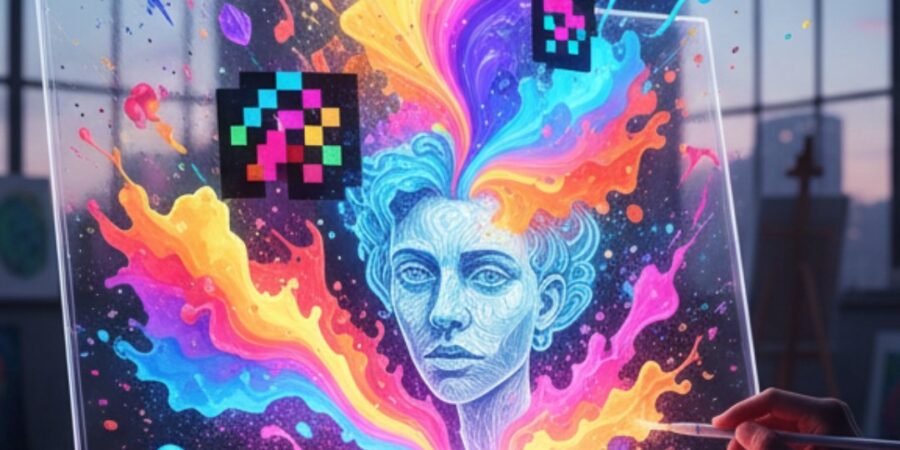
Is AI art real art, or just copying other artists? It’s one of the fiercest cultural debates of the decade — splitting artists, galleries, and the internet into camps that barely speak to each other. Having followed it closely, I think both sides have a point, and the truth is messier than either slogan. Let’s take it seriously.
Is AI art real art or just copying other artists?
Here’s everything worth knowing about this topic, organised so you can skim the headlines or read in depth. Expect straight answers, practical steps, and pointers to official sources where it counts — no filler, no hype.
The Case That It’s “Just Copying”
The critics’ argument is straightforward and powerful. AI image generators were trained on billions of images scraped from the internet — including copyrighted work by living artists, used without permission or payment. When you prompt “a portrait in the style of [living artist]”, the model produces something drawing directly on that artist’s distinctive visual language.
Artists describe the feeling vividly: it’s like watching a machine remix your life’s work in seconds, then watching someone sell the result. Several high-profile lawsuits — artists versus the major AI companies — are working through courts right now, and their outcomes will shape the law for decades. The moral case is simple: consent matters, and it wasn’t given.
There’s also the “soulless” critique: that AI images, however pretty, lack intention, lived experience, and meaning — the things that make art art rather than decoration. A model doesn’t know grief or joy; it predicts pixels.
The Case That It IS Real Art
The defence has teeth too. First, all artists learn from other artists — every painter studied masters, every musician absorbed influences. We don’t call a young artist a thief for painting in a style they learned from others. AI training, defenders argue, is learning at scale, not photocopying.
Second, the human doesn’t disappear. Crafting an effective prompt, curating dozens of outputs, compositing, editing, and selecting — serious AI artists describe a genuine creative process with taste, intention, and revision. The tool changed; the artistry of vision and selection remains.
Third, art history is a graveyard of “that’s not real art” claims: photography, impressionism, Duchamp’s urinal, digital art, sampling in music. Every new medium gets this reception. Every time, the definition of art expands.
What the Law Says (So Far)
Legally, it’s unsettled — which is why the lawsuits matter. Key questions courts are wrestling with:
- Is training on copyrighted images “fair use” (or fair dealing in the UK)? The companies say yes; artists say no.
- Can AI-generated images themselves be copyrighted? Current guidance in the US and UK leans toward no (or only with substantial human creative input) — which has big implications for commercial use.
- Do artists need an opt-out, opt-in, or compensation scheme for training data? The EU’s AI Act pushes toward transparency; the UK is still consulting.
If you create with AI, know that the legal ground is still moving under your feet. Our guide on protecting your creative work from AI copying covers the practical defensive steps.
Where I Land
Here’s my honest view: the “copying” critique is strongest on consent and compensation — the training-data issue is real and unresolved, and “everyone learns from everyone” glosses over the scale and commercialisation involved. That’s a genuine moral and legal problem that needs fixing, probably through licensing or compensation schemes.
But the “not real art” critique is weaker. Art has always been about what humans do with tools, and some AI-assisted work is thoughtful, moving, and original. Dismissing the entire medium is the same mistake every generation makes about the next one’s tools.
The most likely future: AI becomes one tool among many, the training-data question gets resolved (messily, through courts and licensing), and we stop asking whether AI art is “real” art — just as we stopped asking whether photography was real art. The interesting question was never the tool. It’s what humans choose to say with it.
Getting the Most From AI — Safely
AI is a powerful helper here, but a little know-how separates great results from mediocre ones. These principles apply whatever you’re using it for.
Be specific in your prompts. The single biggest factor in AI output quality is input quality. Include your context, your constraints, and what a good result looks like. A vague request gets generic advice; a detailed one, tailored to your situation, gets something you can actually use.
Verify important outputs. AI writes confidently about things it has wrong — dates, prices, rules, facts. Treat AI output as a smart first draft, not a final answer. Cross-check anything that matters (money, legal, health, or anything you’ll publish or act on) against authoritative sources.
Protect your privacy. Don’t paste personal details, financial information, or other people’s data into free AI tools unless you’ve checked the privacy settings and opted out of training. The convenience isn’t worth the exposure, and it takes two minutes to check.
Keep the human in charge. AI suggests; you decide. That’s the right relationship here and everywhere else — especially where judgement, ethics, or accountability are involved. The people getting the best results from AI aren’t the ones who delegate most to it; they’re the ones who direct it best.
Stay current. AI tools change fast — new features, new limits, new best practices. What works today might be outdated in six months. A quick check of current guidance now and then keeps you getting the best from the tools rather than coasting on old habits.
Key Takeaways
- Be specific with AI tools — detailed, contextual prompts get dramatically better results.
- Always verify AI output on anything important: facts, figures, and advice.
- Protect your privacy: check settings and avoid sharing sensitive data with free tools.
- Keep humans in charge of decisions — AI advises, you decide.
For official guidance on this topic, see DACS, the visual artists’ rights organisation.
Related reading: spotting AI-written content.

