How Do I Sell My Products at UK Craft Markets and Fairs
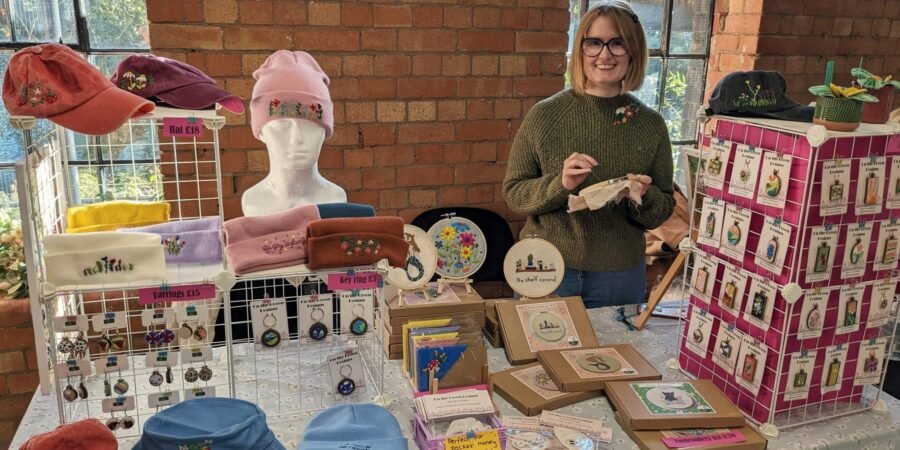
How do I sell my products at UK craft markets and fairs? There’s nothing like watching a stranger pick up your work, smile, and hand over money — markets are where craft businesses are born. But the difference between a £400 day and a £40 day isn’t luck; it’s preparation. I’ve done the market circuit, and here’s what actually matters.
How Do I Sell at UK Craft Markets? Finding the Right Events
Start local and small: school fairs, church halls, community markets (£15–£40/table) are perfect testing grounds — cheap, friendly, honest feedback. Step up to: established craft fairs and artisan markets (£40–£150/stall), then the big ones — Country Living Fair, Etsy Made Local events, Renegade-style markets (£150–£400+). Match the event to your price point: £8 items at a premium fair won’t cover the pitch fee; £80 pieces at a school fete won’t sell.
Finding events: Stallfinder, craft fair directories, local Facebook maker groups, council market listings, and Instagram (follow organisers). Vet before booking: visit as a customer first if possible — check footfall, the customer profile, and whether your products fit. Ask organisers about expected attendance, marketing plans, and stallholder mix (too many jewellery stalls dilutes everyone).
Book early for Christmas markets (summer bookings are normal — the good ones sell out by September) and read the terms: setup times, parking, power availability, cancellation policy, insurance requirements. What Are the Cheapest Ways to Market a Small Business in the UK
The Stall: Setup That Sells
Height is everything. Flat tables don’t sell; vertical displays do — risers, crates, shelves, hanging displays get products to eye level. Less is more: a curated, breathing display outsells a crammed jumble — restock from under-table boxes through the day. Price everything clearly — unpriced items don’t get asked about, they get walked past. Nice tags, consistent branding, card reader visible.
Lighting: for winter/indoor markets, battery LED strips transform a stall (£15 well spent). Card payments: non-negotiable in 2026 — SumUp/Zettle readers cost ~£30 with ~1.75% per transaction; cash-only stalls lose sales daily. Yourself: stand (don’t sit behind the table scrolling your phone), smile, greet — makers who engage sell multiples of those who hide. Tell the product’s story; people buy the maker as much as the made.
The essentials kit: float (£50 in change), bags/packaging, business cards, mailing-list signup (QR code to a simple form — markets build your list fast), snacks, water, layers (market halls are freezing), and a helper for busy periods and loo breaks. GOV.UK: registering a food business (for food sellers)
- Match the event to your price point
- Vertical displays at eye level — never flat tables
- Price everything clearly; unpriced = unsold
- Card reader is non-negotiable in 2026
- Stand, smile, engage — makers sell, not stalls
Pricing, Stock and the Business of Market Days
Bring a price ladder: entry items (£5–£15, impulse buys), core range (£20–£45, the volume), and statement pieces (£60+, the eye-catchers that make everything else look reasonable). Multibuy offers (“3 for £25”) lift average spend reliably. Stock maths: bring 3–5× what you hope to sell — an empty-looking stall at 2pm kills afternoon trade.
Track everything: sales per event, per product, per hour — a simple notebook works. After 3–4 markets you’ll know your winners, your dud events (never rebook them), and your true hourly rate. Aim for 8–10× the pitch fee in revenue as a rule of thumb; consistently below 5× means wrong event or wrong range.
Insurance and admin: most organisers require public liability insurance (£50–£150/year for market traders) — get an annual policy, not per-event. Keep business records for tax (market income is declarable like any other). And collect emails relentlessly — the mailing list built across a market season becomes your Christmas sales engine. Can I Claim Working from Home Expenses on My Tax Return National Market Traders Federation
The Christmas Season: Making Q4 Count
For craft sellers, October–December can be 40–60% of annual revenue — plan it like a campaign. Book early: prime Christmas markets fill by August/September; late bookings get the bad pitches. Stock deep: produce through summer for Q4 — running out mid-December is leaving money on the table. Gift-ready everything: gift boxes, wrapping options, and price points under £30 (the gift sweet spot) — presentation sells at Christmas.
Calendar: early November = serious shoppers; mid-December = panic buyers (higher spend, less browsing). Online + markets combo: markets drive Christmas online sales too — every stall visitor is a potential online customer; the mailing list signup matters most in Q4. After Christmas: January sales clear seasonal stock, then rest, review the numbers, and plan the year. Makers who treat Christmas as a season-long campaign — not just “a few extra markets” — build the year’s profit in twelve weeks.
Top Tips at a Glance
- Start cheap and local; scale to big fairs with proof
- 8–10× pitch fee in revenue = a good market day
- Price ladder + multibuys lift average spend
- Track sales per event — cull the dud markets
- Mailing list signup at every market — future sales gold
Frequently Asked Questions
How much does a craft market stall cost in the UK?
£15–£40 for small community markets, £40–£150 for established craft fairs, £150–£400+ for major events like Country Living. Christmas markets command premiums — book early.
Do I need insurance for a market stall?
Most organisers require public liability insurance — annual market-trader policies run £50–£150 and cover all your events.
What sells best at craft markets?
Eye-level displays, clear pricing, card payments, and an engaged maker. Product-wise: giftable price points (£10–£40), seasonal items, and things people can touch and try.
When should I start preparing for Christmas markets?
Start making stock in summer, book markets by August/September, and have gift packaging ready by October. The makers who wing Christmas leave money behind — Q4 rewards the prepared.
Final Thoughts
Start at cheap local markets, invest in vertical display and lighting, take cards, price with a clear ladder, and track every event’s numbers — then double down on what works and never rebook what doesn’t. Markets are the best market research money can buy: real customers, real money, real feedback, one Saturday at a time. What Tax Do I Pay If I Sell Digital Products Online from the UK