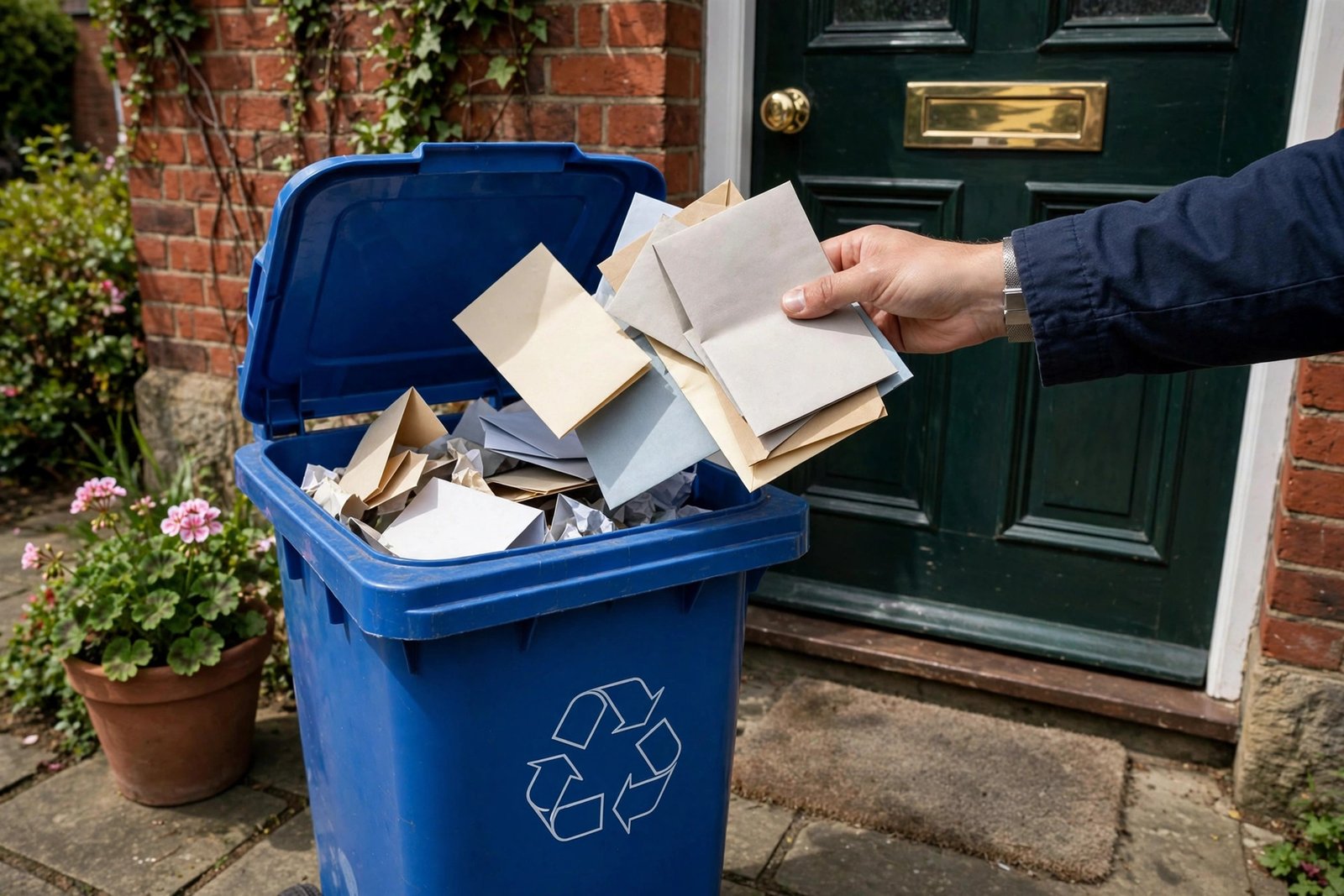
Composting Food Scraps at Home: The Complete UK Guide
How to start composting food scraps at home: choose your system, master greens and browns, and get rich compost with no smell, no rats, and little effort.
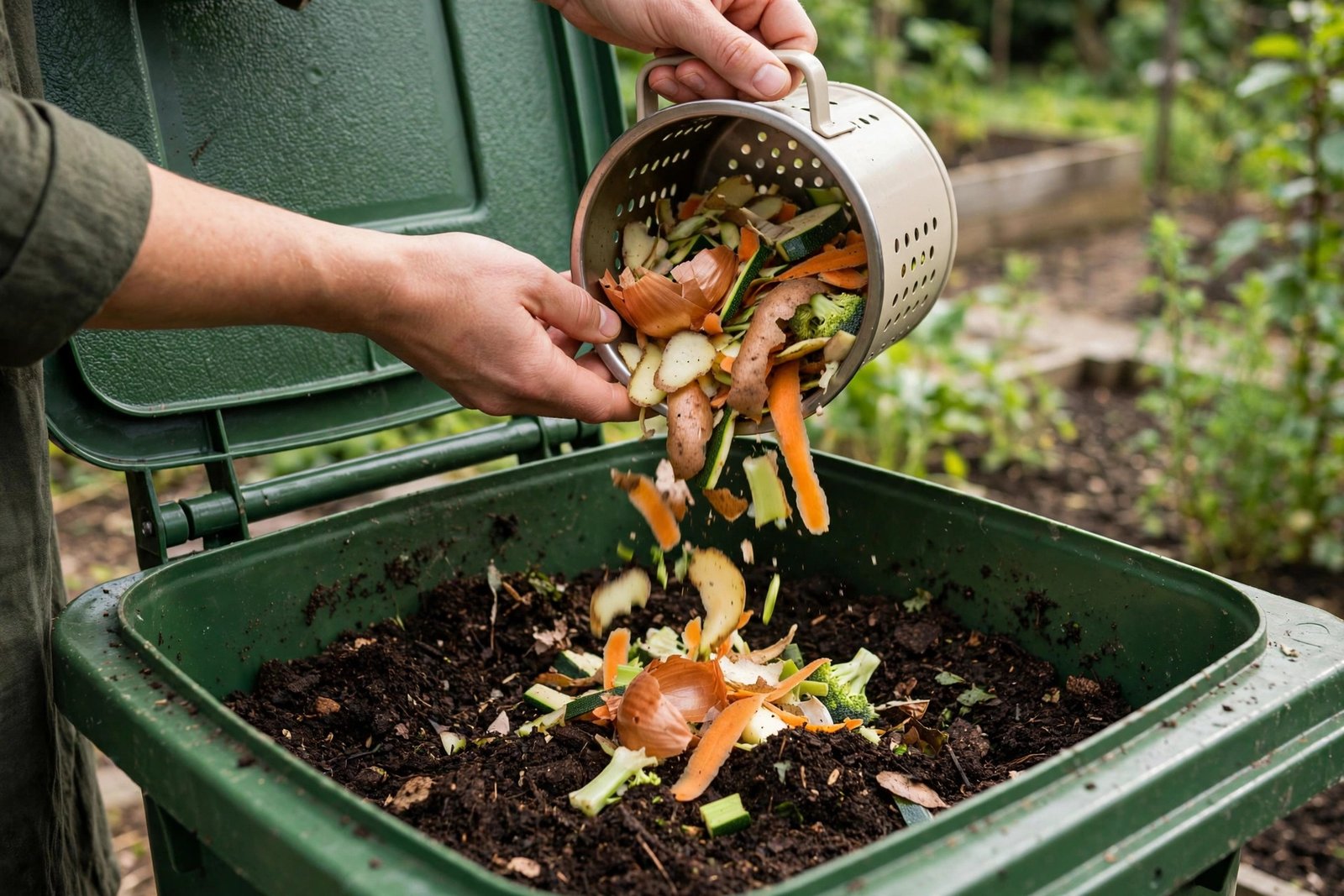
The average UK household throws away around £1,000 of food a year — and most of the inedible bits (peelings, cores, coffee grounds, eggshells) go to landfill, where they rot anaerobically and release methane, a greenhouse gas over 80 times more potent than CO₂ in the short term. Composting flips that equation: the same scraps become free, superb soil conditioner in months, with no smell, no rats, and far less effort than people imagine.
Whether you have a big garden, a tiny yard, or just a kitchen worktop, there is a composting method that fits. This guide covers choosing your system, what goes in, and how to get finished compost without the classic beginner mistakes.
Choose Your System: Four Routes for UK Homes
Council food waste caddy — the zero-effort start
Most UK councils now collect food waste separately (and England’s Simpler Recycling reforms make it universal). If you have the little brown caddy, use it — it is composting outsourced, and the waste becomes biogas and fertiliser. Line it with newspaper or compostable liners, empty every few days, and keep the lid shut. This alone diverts a huge share of household food waste.
Home compost bin — the classic
A standard 220-litre “dalek” bin (£20–£40, often subsidised by councils — check getcomposting.com for local deals) suits any garden with a square metre of soil to stand it on. Site it on bare earth (worms enter from below), in partial shade, somewhere you will actually walk to in January. Fill from the top, harvest finished compost from the hatch at the bottom after 6–12 months. One bin serves a family of four if you also add garden waste.
Wormery — for small spaces
No garden? A wormery (£60–£100) lives on a balcony, in a utility room, or even under the stairs, turning scraps into premium vermicompost and liquid feed with zero smell when managed right. Tiger worms eat roughly their body weight daily; a starter colony handles a couple’s vegetable peelings. Keep it between 10–25°C — British garages and shaded balconies are ideal.
Bokashi — for flats and the impatient
Bokashi bins (£30–£50 for a starter kit) ferment all food waste — including meat, dairy, and cooked food that other systems exclude — using inoculated bran. The sealed bucket has no odour, fits under the sink, and the pre-compost gets buried in soil or a garden bin to finish. It is the best option for flat-dwellers who want maximum diversion with minimum space.
What Goes In (and What Stays Out)
The golden rule is greens and browns: nitrogen-rich “greens” (veg peelings, fruit scraps, coffee grounds, tea bags — check they are plastic-free, grass clippings) plus carbon-rich “browns” (cardboard, newspaper, dry leaves, wood chips, eggshells). Aim for roughly equal volumes; beginners’ heaps fail from too many greens (soggy, smelly) far more often than too many browns. Chop or tear large items — surface area speeds everything.
Keep out of home compost: meat, fish, dairy, and cooked food (attracts rats — bokashi or council caddy instead), glossy/coated paper, “compostable” plastics (need industrial facilities), cat litter and dog waste (pathogens — use a dedicated pet-waste digester), perennial weeds and seeding weeds (survive cool heaps), and glossy magazines. Coffee grounds deserve a special mention: worms adore them, cafés give them away free (ask at high-street chains), and they are a superb nitrogen source — but mix with browns, as pure grounds compact into a smelly mat.
For the bigger picture on cutting waste at source, our guide to reducing kitchen food waste each week pairs perfectly — composting handles the unavoidable scraps, but wasting less food beats composting more of it.
The Method: Set-and-Forget With Three Checks
Good composting is 90% setup. 1. Layer as you go: every bucket of kitchen greens gets a handful of browns (torn cardboard, shredded paper) on top — this single habit prevents nearly all smell and fly problems. 2. Keep it damp like a wrung sponge: British rain usually handles this; in dry spells, water the heap. 3. Aerate occasionally: fork the heap over every month or two, or just stab air holes with a broom handle — oxygen is what separates sweet-smelling compost from anaerobic sludge.
Troubleshooting: smelly/slimy → too many greens, add browns and turn. Not heating up → too small (heaps under a cubic metre struggle), too dry, or lacking nitrogen — add grass clippings or coffee grounds and water. Fruit flies → bury fresh scraps under browns; keep the lid on. Rats → you are adding cooked food or meat — stop, and site the bin away from fences. A well-run heap smells faintly of forest floor and attracts robins, not rodents.
Harvest when the bottom material is dark, crumbly, and earthy-smelling (6–12 months). It will not look like bagged compost — twiggy bits are fine; sieve if you want it pretty for seed sowing. Use it as a 5 cm mulch on beds, and watch what happens: compost-mulched soil needs less watering, fewer feeds, and grows visibly stronger plants, as our low-waste lifestyle guide notes in its garden section.
Winter Composting and Common Myths
Heaps slow in winter but do not stop — keep adding; the spring warm-up will process the backlog. Insulate small bins with cardboard or an old carpet offcut. Myths to ignore: “compost attracts rats” (only if you add the wrong things), “it smells” (only when mismanaged — correct ratios smell of nothing), “you must turn it weekly” (monthly is plenty), and “citrus and onions kill worms” (fine in moderation; worms avoid what they dislike and return later). For those who catch the bug and want to go further — hot composting, leaf-mould mastery, compost teas — Garden Organic’s composting guides are the UK’s best free deep-dive.
Conclusion
Starting to compost food scraps at home is one of the highest-impact, lowest-effort changes a UK household can make: pick the system that fits your space (caddy, dalek bin, wormery, or bokashi), balance greens with browns, and let biology do the work. Within a year you will be throwing away noticeably less, buying less fertiliser, and harvesting the dark, crumbly proof that waste was always just a resource in the wrong place.
Frequently Asked Questions
What food scraps can I compost at home?
Fruit and vegetable peelings, coffee grounds, tea bags (plastic-free), eggshells, and stale bread. Keep meat, dairy, fish, and cooked food out of open bins (use bokashi or your council caddy for those).
How long does home composting take?
Typically 6–12 months for finished compost in a standard garden bin, faster in warm weather with regular turning. Wormeries produce usable vermicompost in 3–6 months.
Does a compost bin smell or attract rats?
A well-managed bin smells faintly earthy, not rotten. Smell and rats come from wrong inputs (meat, cooked food) or too many greens without browns — layer browns over every addition and keep the lid on.
Can I compost in a flat with no garden?
Yes — a bokashi bin under the sink handles all food waste including meat and dairy with no smell, and a small wormery fits on a balcony. Many councils also collect food waste separately.
What is the difference between greens and browns?
Greens are nitrogen-rich moist materials (peelings, grass, coffee grounds); browns are carbon-rich dry materials (cardboard, leaves, paper). Aim for roughly equal volumes — too many greens causes smell, too many browns slows everything down.