Home Staging for Viewings on a Budget: How Often and How
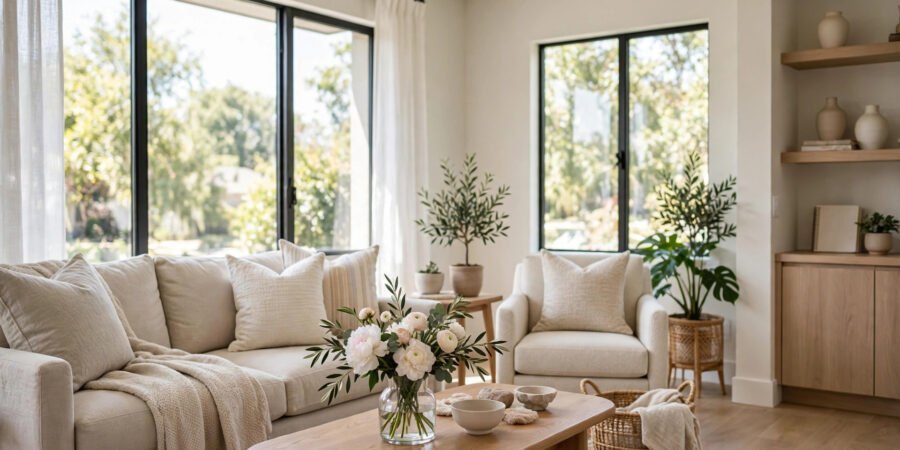
Home staging — presenting your property at its photogenic best — can add thousands to a sale price, but sellers hear conflicting advice: stage once for the photos and relax, or maintain show-home standards for every viewing over months? On a budget, neither extreme works. The answer is a rhythm: one proper staging effort, then light maintenance.
This guide covers how often you should stage your home for viewings on a budget: the initial deep setup, the refresh cycle between viewings, the £200 staging kit that does 80% of the work, and when to re-stage from scratch.
Stage Once Deeply, Maintain Lightly
The correct rhythm: one thorough staging session before photography (this is the one that matters most — 90% of buyers decide whether to view based on photos), then a 20-minute reset before each viewing. Re-staging from scratch for every viewing is unsustainable and unnecessary; letting standards slide after week three is how listings go stale.
The deep session takes a weekend: declutter ruthlessly (box up 30–50% of possessions — rent a storage unit for £30–£50/month if needed), deep clean everything including windows and grout, fix the snag list (dripping taps, scuffed paint, loose handles), and arrange each room around a single purpose. Photograph the staged rooms on your phone — those photos become your reset target before every viewing.
The £200 Staging Kit
Budget staging is about a few high-impact items, not redecorating. The kit: fresh white or cream bedding for the main bedroom (£40), matching new towels for the bathroom (£25), a large mirror for the smallest/darkest room (£40 — mirrors double perceived space and light), two or three healthy houseplants (£30), neutral throws and cushions (£30), and LED daylight bulbs throughout (£20). Total: under £200, reusable in your next home.
Spend nothing on: scented candles for every room (one subtle scent is plenty — strong fragrance makes buyers suspicious), fresh flowers weekly (plants last months), or new furniture. Rearrange what you own: pull sofas off walls, angle beds for space, remove half the books from shelves. Brightening a dark north-facing living room techniques — mirrors, light paint, trimmed hedges outside windows — apply to any gloomy room for free.
The 20-Minute Pre-Viewing Reset
Before each viewing, run the same checklist: all lights on (even daytime — brightness photographs and feels larger), blinds/curtains fully open, beds made to the photo standard, bathroom towels straightened and toilet lid down, kitchen surfaces cleared except one styled vignette (fruit bowl, cookbook stand), bins emptied, laundry hidden, shoes in cupboards, and the house smelling neutral (open windows for 15 minutes beats any spray).
Do this for every viewing, including second viewings — buyers scrutinise more on return visits, not less. If you have back-to-back viewings, the reset holds; if viewings are weeks apart, do a deeper monthly refresh: re-dust, re-check plants, and re-photograph to confirm you still match the listing. Consistency signals a cared-for home, and cared-for homes achieve asking prices.
Room-by-Room Priorities
Not all rooms repay staging equally. The living room, main bedroom, kitchen and bathroom drive decisions — stage these immaculately. Spare bedrooms should show a clear purpose (bedroom, office, nursery — never 'junk room'). The hallway creates the first impression: clear it completely, add the mirror, ensure it smells fresh. Gardens and exteriors: mow, weed, jet-wash the patio (£30 hire), and photograph the front elevation at its best — kerb appeal filters viewers before they click.
Bathrooms deserve special attention: re-grout or use grout pens (£10), replace a stained shower curtain (£15), and hide all personal toiletries in a caddy under the sink. Making a small bathroom look bigger on a budget covers the full playbook — buyers forgive small bathrooms but not dirty ones.
When to Re-Stage From Scratch
Re-stage fully in three situations: new photography (if relisting or changing agents — fresh photos reset the listing's age), seasonal change (a spring staging with heavy winter throws looks wrong; swap textiles and plants), and after any price reduction (a reduced price with identical photos reads as desperation; reduced price with fresh photos reads as opportunity).
Also re-stage if feedback repeats: three viewers mentioning darkness means restage for light; two mentioning size means declutter harder. Your agent's viewing feedback is free market research — act on patterns, not single opinions. And keep perspective: adding value to your home before selling structurally (a £5,000 bathroom refresh) dwarfs staging returns, but staging is the multiplier that lets structural value show. The government's guide to selling your home covers the legal process while you handle the presentation; browse OnTheMarket listings to calibrate what 'staged' looks like at your price point.
Stage your home for viewings on a budget with a simple rhythm: one deep weekend staging before photography, a £200 kit of high-impact items, a 20-minute reset before every viewing, and full re-stages only for new photos, seasons, or price changes.
Staging does not sell houses — well-priced, well-presented houses sell themselves. But in a market where buyers decide from thumbnails, the staged home gets the viewing, and the viewing is where sales happen.
Staging Empty Properties on a Budget
Empty properties are the hardest sell: without furniture, rooms look smaller, flaws look larger, and buyers cannot visualise their lives in the space. Professional vacant staging costs £1,500–£3,000+ — but the budget version achieves most of the effect. The essentials: deep clean to showroom standard (£150–£300 professional clean — non-negotiable for empty properties, where every mark shows), window cleaning inside and out, and strategic furnishing of the three key rooms — living room, main bedroom, kitchen/diner — with rented or borrowed pieces.
Furniture rental for staging (£300–£600/month for a package) suits higher-value properties; for the budget route: borrow statement pieces, use air mattresses dressed properly for bedrooms (buyers photograph beds, not sleep in them), large mirrors to double perceived space, and plants generously — empty rooms with plants feel 80% furnished. Virtual staging (digitally furnished photos, £20–£50 per image) is increasingly accepted for online listings, but declare it — misled viewers feel deceived on arrival. The maths: an empty £300,000 property staged for £800 that sells four weeks faster saves roughly £1,000 in mortgage and bills alone, before any price effect. Empty is not neutral; it is negative. Furnish the impression.
One last budget tip: photograph your staged rooms and keep a simple inventory of the staging kit — when you move, the same £200 of bedding, mirrors and plants will stage the next home just as effectively.
Frequently Asked Questions
How often should I stage my home for viewings?
Stage deeply once before photography, then do a 20-minute reset before each viewing. Re-stage fully for new photos, seasonal changes, price reductions, or when feedback shows a repeated issue.
How much does home staging cost on a budget?
Under £200 for the high-impact kit: bedding, towels, a large mirror, plants, throws and daylight bulbs. Decluttering and rearranging existing furniture cost nothing but time.
Is professional staging worth it?
For most sub-£500,000 homes, DIY staging with the £200 kit achieves 90% of the effect. Professional staging (£1,000–£3,000) suits high-value or empty properties where the return justifies it.
What matters most in home staging?
Photography-day staging matters most — most buyers decide whether to view from photos. Then: decluttering, cleanliness, light, and neutral presentation in the living room, bedrooms, kitchen and bathroom.

