Checking Flood Risk Before Buying Near Water: A UK Guide
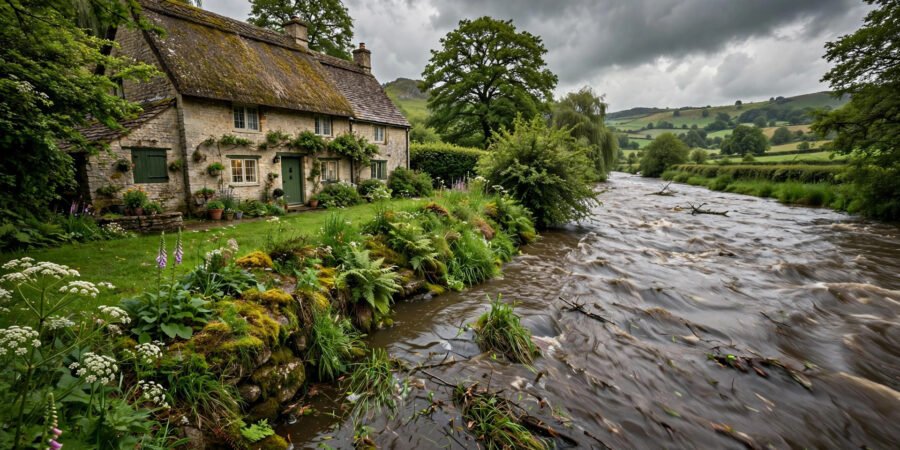
A cottage by the river, a flat with an estuary view — waterside property sells a dream, and the flood risk that comes with it is the detail most buyers check last, if at all. The information exists, but it is scattered across government maps, conveyancing searches, insurance databases and local knowledge, which is why checking flood risk before buying near water feels so hard.
This guide explains why flood risk is difficult to assess, the free tools that actually work, what the standard searches do and do not tell you, how flood risk affects insurance and mortgages, and the questions that reveal what the maps cannot.
Why It's Hard: Five Data Sources, No Single Answer
Flood risk comes in flavours the maps treat separately: river (fluvial), coastal, surface water (pluvial — drains overwhelmed by rainfall), reservoir, and groundwater. A property can be low-risk for river flooding and high-risk for surface water, and different tools emphasise different types. Add climate change shifting the baselines, and last decade's '1-in-100-year' event becoming this decade's regular occurrence, and static maps feel untrustworthy.
Then there is the conveyancing gap: the standard environmental search includes a flood risk section, but it is a screening product — often a simple 'further action needed' flag that your solicitor may or may not chase properly. Sellers must disclose known flooding on the TA6 property information form, but 'known' is doing heavy lifting: a seller who bought recently may genuinely not know the 2015 event soaked the ground floor. The system relies on buyers investigating actively.
The Free Tools That Actually Work
Start with the government's free flood-risk checker: enter the postcode for the official long-term flood risk assessment (very low to high) covering rivers, sea and surface water, plus live flood warnings. It is the authoritative source and takes two minutes. Cross-reference with the Environment Agency's flood maps for planning, which show flood zones 1–3 — zone 3 means a 1%+ annual river flood probability, and insurers and lenders watch these designations closely.
Then go local: search the address plus 'flood' in local news archives, check the parish or town council's flood records, and look at the property's own history — neighbours are the best database ever built. Ask directly: 'Has this street flooded in the last 20 years? When? How deep?' Estate agents must not mislead, but they will not volunteer; specific questions get specific answers.
What the Searches Miss
Conveyancing flood searches are desk-based assessments, not guarantees. They can miss: surface water risk on streets the models underweight, new developments upstream that changed drainage, and the crucial distinction between 'the area floods' and 'this property floods' — a house on a slight rise in a flood zone may never have taken water. Conversely, properties outside mapped zones do flood, when drains fail or rainfall exceeds design assumptions.
For high-stakes purchases near water, commission a specialist flood risk report (£200–£400 from firms like Landmark or Groundsure's detailed products): they model the specific property, assess floor levels against predicted flood depths, and advise on mitigation. On a £400,000 riverside purchase, it is the best-value survey you can buy. Also check whether the area has flood defences — and their standard of protection and maintenance status, because defences reduce risk rather than removing it.
Insurance and Mortgages: Where Risk Becomes Cost
This is where flood risk bites financially. Buildings insurance in high-risk areas can cost several times the norm or carry flood excesses of £5,000–£10,000. Flood Re, the flood insurance scheme — the government-backed reinsurance scheme — keeps cover available and affordable for most homes built before 2009, but it excludes homes built after 2009, commercial properties and some conversions. If your target property is excluded, get insurance quotes before exchanging, not after.
Mortgage lenders increasingly scrutinise flood risk: some require specialist reports, others adjust terms. A property that cannot be insured at reasonable cost is effectively unmortgageable, which also destroys its resale value — your problem today becomes your buyer's objection tomorrow. Price the risk honestly: a 10–20% discount to comparable non-flood-risk property is the market's rough verdict, and it exists for good reason.
The Questions That Reveal What Maps Cannot
Ask the seller and neighbours: has the property itself ever flooded (not the street — the property)? Are there flood defences on the doors — and if so, why were they installed? Where are the electrics, boiler and valuables relative to historic flood levels? Has an insurance claim for flood ever been made here (claims history follows the property in insurers' databases)? What is the evacuation route, and does the area have a flood warden scheme?
And assess resilience, not just risk: raised electrics, solid floors, waterproof plaster and removable kitchen units (the 'flood-resilient repair' approach) mean a flood is a clean-up, not a catastrophe. Getting rid of damp in a Victorian terrace covers the moisture-management mindset that flood-zone owners need permanently, and energy-saving upgrades for an old UK home often pair with resilience works during renovation. Buy the risk you understand, mitigate what you can, and price the rest.
Checking flood risk before buying near water is hard because the data is fragmented — government maps, conveyancing screens, insurance databases and local memory each hold part of the picture. The buyers who get it right use all of them: the free gov.uk checker, the flood zone maps, a specialist report for serious cases, insurance quotes before exchange, and blunt questions to sellers and neighbours.
Waterside living is wonderful; uninformed waterside buying is not. Spend the £300 on the report, get the quotes, ask the awkward questions — and then enjoy the view with confidence rather than anxiety.
Flood-Resilient Home Improvements
If you buy near water, resilience engineering turns a flood from a catastrophe into a clean-up. The measures, roughly in cost order: raise electrical sockets, boilers and consumer units above historic flood levels (£500–£1,500 during renovation); replace ground-floor kitchens with freestanding or removable units; use solid or tiled floors instead of carpet downstairs; fit waterproof plaster and water-resistant insulation; install flood doors or demountable barriers (£2,000–£5,000 for a property); and add non-return valves to drains (£200–£500) to stop sewage backflow — the most unpleasant flood damage of all.
These measures do double duty: they reduce damage and they reduce insurance premiums — tell your insurer about every resilience improvement, with photos and receipts, and shop the specialist flood-risk insurers if mainstream quotes are punitive. Grants occasionally exist through local authorities after flood events, and the Flood Re scheme's 'Build Back Better' initiative can fund resilience as part of flood-damage repairs. A flood-resilient waterside home is not a compromised purchase; it is an engineered one. Buy the risk you have mitigated, and sleep through the rain.
Frequently Asked Questions
How do I check flood risk for a UK property free?
Use the government's 'check long term flood risk' service at gov.uk/check-flood-risk for the official assessment, plus Environment Agency flood maps for planning zones, local news archives, and direct questions to neighbours and sellers.
Does a flood search guarantee a property won't flood?
No. Standard conveyancing searches are screening products; they can miss surface water risk and property-specific factors. For waterside purchases, commission a specialist flood risk report (£200–£400).
Can I get home insurance in a flood-risk area?
Usually yes via Flood Re, the government-backed scheme keeping cover affordable for most pre-2009 homes. Post-2009 builds are excluded — get quotes before exchanging contracts.
Should I buy a house in flood zone 3?
Only with eyes open: specialist survey, insurance quotes in hand, resilience measures assessed, and a price reflecting the risk. Many buyers do, happily — the failures come from not checking, not from the zone itself.

