Crypto ‘Petrol’ Fees Explained: Gas Fees for UK Beginners
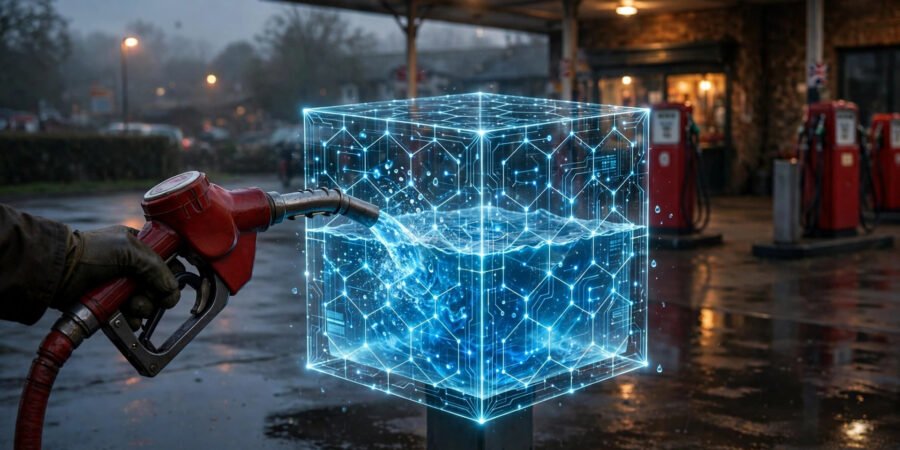
You try to send £30 of crypto to a friend and your wallet demands a £12 “gas fee”. Twelve pounds — to move digital money that costs fractions of a penny to move on your bank app. It feels like daylight robbery until you understand what you are actually paying for. In the UK we call car fuel “petrol” while Americans say “gas” — and crypto’s “gas fees” cause exactly the same transatlantic confusion, plus a few uniquely crypto twists.
This guide explains crypto gas fees from absolute scratch for UK readers: what they are, why they exist, why they swing wildly, and how to pay less of them.
What “Gas” Actually Means
“Gas” is the unit that measures computational work on blockchains like Ethereum. Every action — sending tokens, swapping on a is public Wi-Fi safe for online banking, minting an NFT — requires network computers to do work, and gas fees pay for that work. Think of it precisely like petrol: your car needs fuel to move, and a blockchain transaction needs gas to execute. Complex operations (a multi-step DeFi trade) are the motorway journey; simple transfers are the trip to the shops.
Fees are priced in tiny fractions of the network’s native coin (gwei on Ethereum — billionths of an ETH) and converted to pounds at the current rate. That is why fees feel unpredictable in sterling terms: both the gas price and the ETH price move. A transaction costing $2 in gas when ETH is £1,500 costs $4 when ETH doubles, even if network demand is identical.
Why Fees Swing From Pennies to Pounds
Block space is limited — each block fits only so many transactions — so users bid for inclusion. When demand is calm, fees are pennies. When a hyped NFT mint or market panic hits, everyone bids at once and fees spike 50x or more. Ethereum’s mechanism burns a “base fee” that rises and falls with congestion, plus an optional tip to prioritise your transaction.
This auction dynamic explains the £12 fee on a £30 transfer: you tried to transact at rush hour. The same transfer at 3am on a quiet Sunday might cost 30p. Timing is the single biggest lever beginners have. Before any non-urgent transaction, check a gas tracker to see current prices — if they are spiking, wait. Nothing about your transfer requires it to happen now, and patience routinely saves 80–90% of the fee.
Why banks do not have this problem
Your bank batches millions of transactions on private infrastructure and eats the cost as overhead. Blockchains are public auctions for scarce space with no customer-service desk smoothing the price. Different design, different economics — comparing the two directly will only frustrate you.
How to Pay Less: Practical Tactics
Time your transactions. Weekends and off-peak hours (UK early mornings) are consistently cheaper. Avoid mint events, major announcements and market panics.
Use layer-2 networks. Networks like Arbitrum and Base process transactions off the main Ethereum chain and settle in batches, cutting fees to pennies. For beginners, this is the single biggest saving available — learn one layer-2 and most fee pain disappears.
Batch your actions. Each on-chain action pays gas, so doing five small swaps costs roughly five fees. Consolidate: one larger, well-planned transaction beats five impulsive ones.
Set fees manually when calm. Wallets default to fast (expensive) settings. When the network is quiet, dropping to “slow” saves money with minimal delay. Never do this during congestion — your transaction can stall for hours.
Consider cheaper chains for small amounts. Moving £20 on Ethereum mainnet is often uneconomic; the same transfer on a low-fee chain costs fractions of a penny. Match the network to the amount.
The Scams and Mistakes Around Fees
Fee confusion is prime scam territory. Fake “gas fee” demands — “send 0.05 ETH gas to release your airdrop” — are pure theft; legitimate airdrops never require upfront fees. Similarly, “fee recovery” services that promise to retrieve stuck transactions for payment are scams layered on mistakes. And never trust DMs offering to “help with high gas fees” — the help is always aimed at your wallet, as our protecting family from phone scams in the UK documents.
The honest beginner mistake is overpaying through defaults: accepting whatever fee the wallet suggests without glancing at a gas tracker. Thirty seconds of checking routinely saves pounds. Make it a habit like checking the petrol price before filling up — the analogy holds all the way down. Your future self, reviewing a year of tiny fees instead of shocking ones, will thank you.
Gas Fees and UK Tax Records
Fees are not just costs — they are tax records. Gas paid on transactions can generally be added to the cost basis of acquisitions or deducted from disposal proceeds for Capital Gains Tax, reducing your bill. This makes fee records doubly valuable: they save money now and tax later. Log them with sterling values alongside every transaction, per the HMRC cryptoassets guidance. Beginners who ignore fees in their records systematically overpay tax.
Will Fees Keep Falling?
The long-term trend favours users. Ethereum’s upgrades have steadily increased capacity, layer-2 networks keep getting cheaper and more capable, and competing blockchains exert constant price pressure. The direction of travel is clearly toward fees that do not matter for ordinary transactions — many layer-2 transfers already cost less than a penny.
But two caveats. First, mainnet fees spike during manias regardless of upgrades, because demand for scarce block space is effectively infinite when speculation peaks. Second, cheaper fees invite more usage, which fills the new capacity — the same induced-demand effect as widening a motorway. The realistic future is not “free transactions” but “cheap transactions with occasional expensive rush hours”. For UK beginners, the takeaway is durable: learn the fee-saving habits now (timing, batching, layer-2s) and they will serve you whatever the fee market does next.
Conclusion
Crypto gas fees are simply the petrol of blockchains: fuel you buy to make transactions move, priced by auction, cheapest off-peak. Time your transactions, use layer-2 networks, batch your actions, and never pay “gas fees” to strangers promising airdrops. Once you stop seeing fees as robbery and start seeing them as a market you can navigate, the £12 surprise becomes a 30p choice — and that is entirely in your hands. For the regulator’s view, see the FCA’s cryptoassets guidance.
Frequently Asked Questions
Why are crypto gas fees so high sometimes?
Block space is limited and allocated by auction. When demand spikes (NFT mints, market panics), users outbid each other and fees can rise 50x until congestion clears.
Can I avoid gas fees completely?
Not on networks like Ethereum — every on-chain action needs gas. You can minimise fees with layer-2 networks, off-peak timing and batching, but not eliminate them.
What is gwei?
A gwei is a billionth of an Ether, the unit gas prices are quoted in. Wallets convert it automatically, but understanding it helps you read gas trackers.
Do I pay gas fees when buying on a centralised exchange?
No — internal exchange trades happen off-chain. You only pay gas when depositing to or withdrawing from the exchange, i.e. when transacting on the blockchain itself.
Are gas fees tax-deductible in the UK?
Fees can generally be added to acquisition costs or deducted from disposal proceeds for Capital Gains Tax. Keep sterling-value records of every fee paid.

